

 Huynh Duc / Pexels
Vietnam: what to see and when to go
· Captain Cheap
Vietnam surprises people who arrive expecting a single, uniform experience. It stretches over 1,600 kilometres from the Chinese border down to the Mekong Delta, and the difference between the misty northern mountains and the flat, humid south is enormous. It is also more developed and more comfortable than many first-timers assume, while still being chaotic in ways that reward patience. This is a country you feel through your senses first: the noise of motorbikes, the smell of grilling meat and herbs, the heat.
What it's actually like
The first thing most visitors register is the traffic. Cities like Hanoi and Ho Chi Minh City run on motorbikes, and crossing the road means walking slowly and steadily while the flow parts around you. It feels alarming and then, quickly, normal. Beyond the cities, the pace drops sharply. Vietnam is not a museum-and-monument sort of destination; the pleasure is in daily life happening in the open, on pavements and in markets, and in landscapes that range from limestone karsts to terraced rice fields to long stretches of coast.
People are used to travellers and generally warm, though the language barrier is real outside tourist areas. A little goes a long way, and pointing, smiling and patience will get you most of what you need.
Where to go
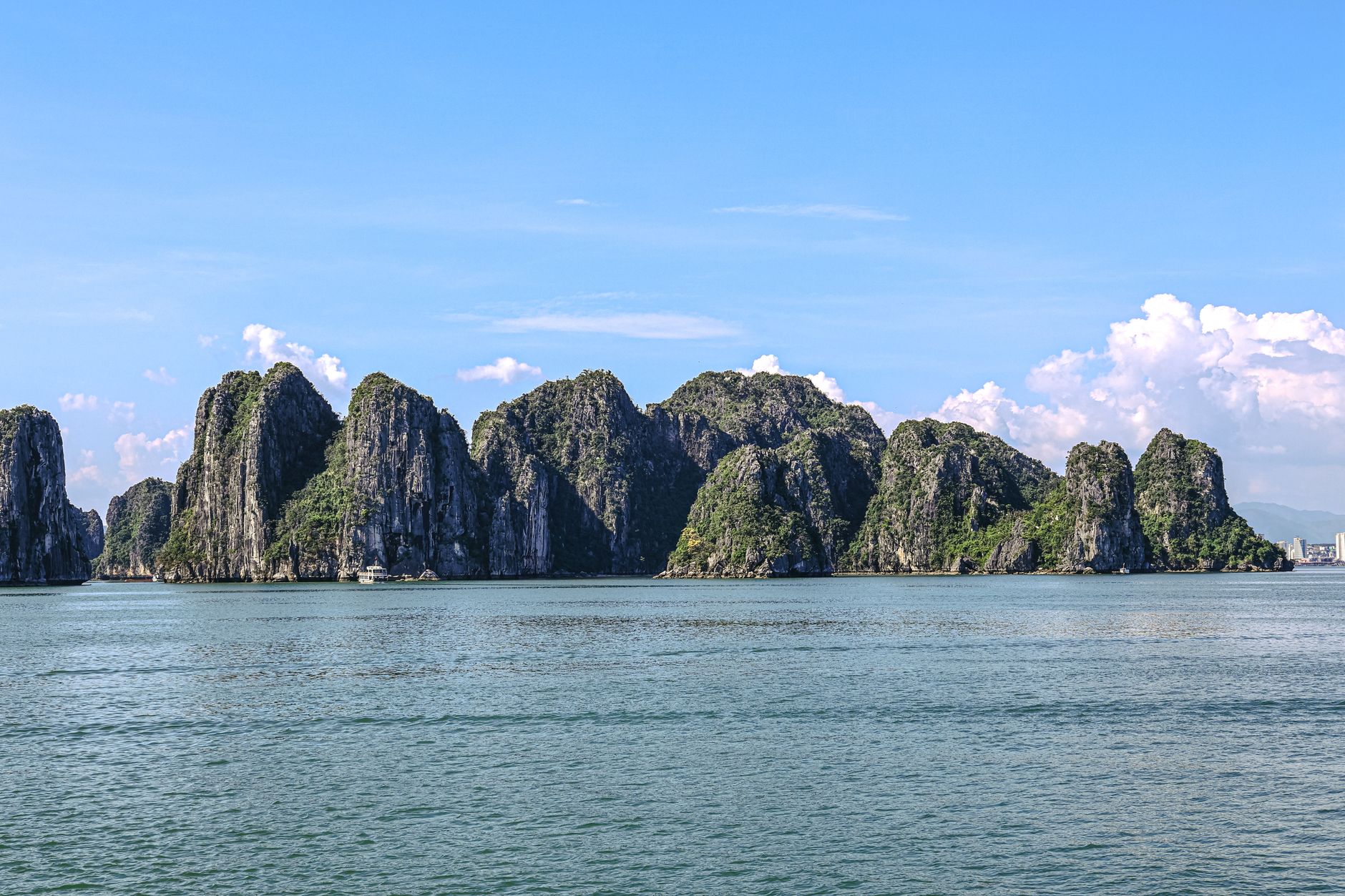
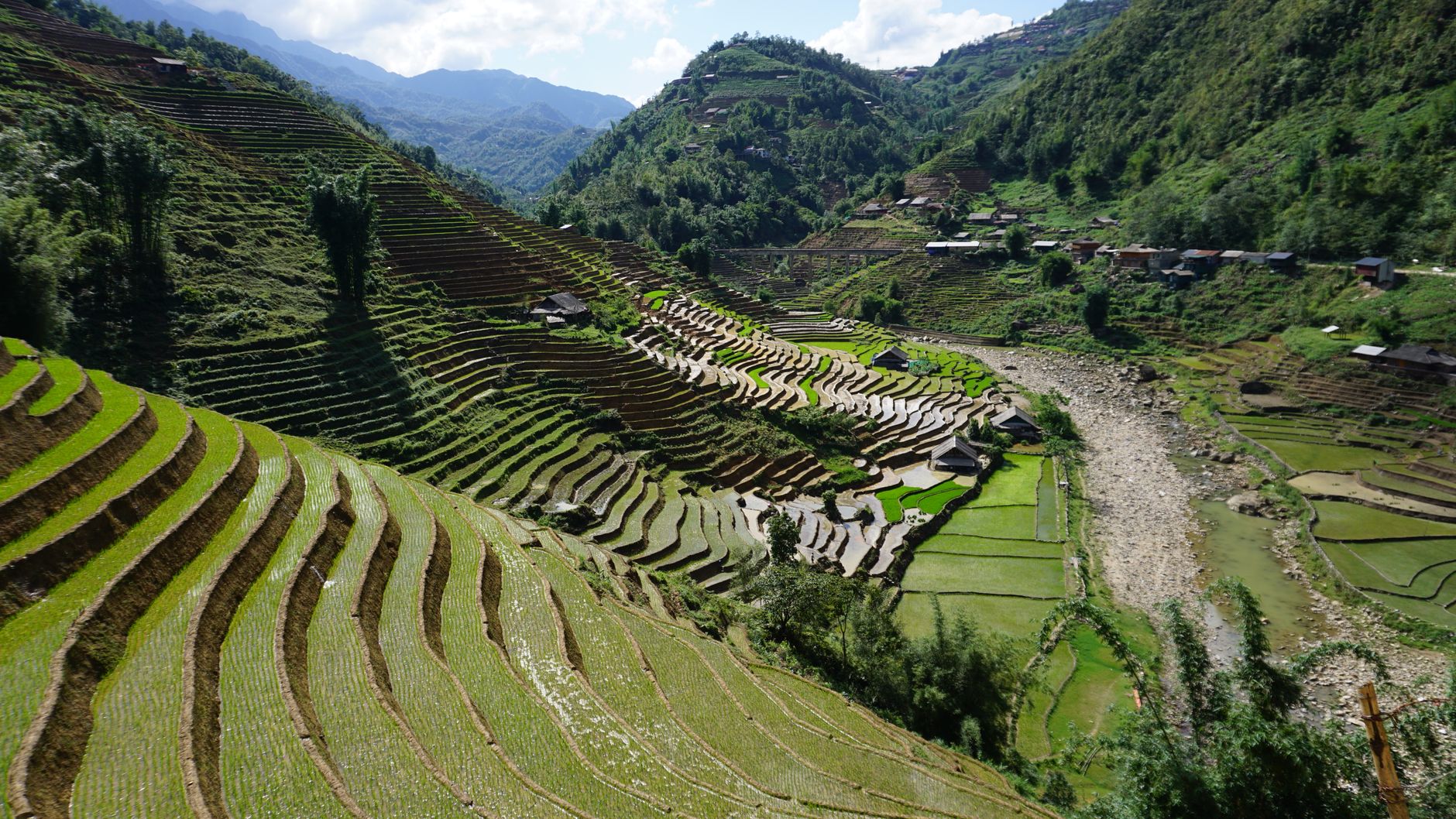
The north centres on Hanoi, an older, denser, more atmospheric city than the south, with a tangle of narrow streets in the Old Quarter and a strong sense of history. It suits people who like wandering and don't mind a bit of grit. From there, Ha Long Bay and the quieter Lan Ha Bay offer the karst-and-water scenery Vietnam is famous for, and Sapa in the far northwest has mountain trekking through rice terraces and hill-tribe villages, best for those who want to walk.
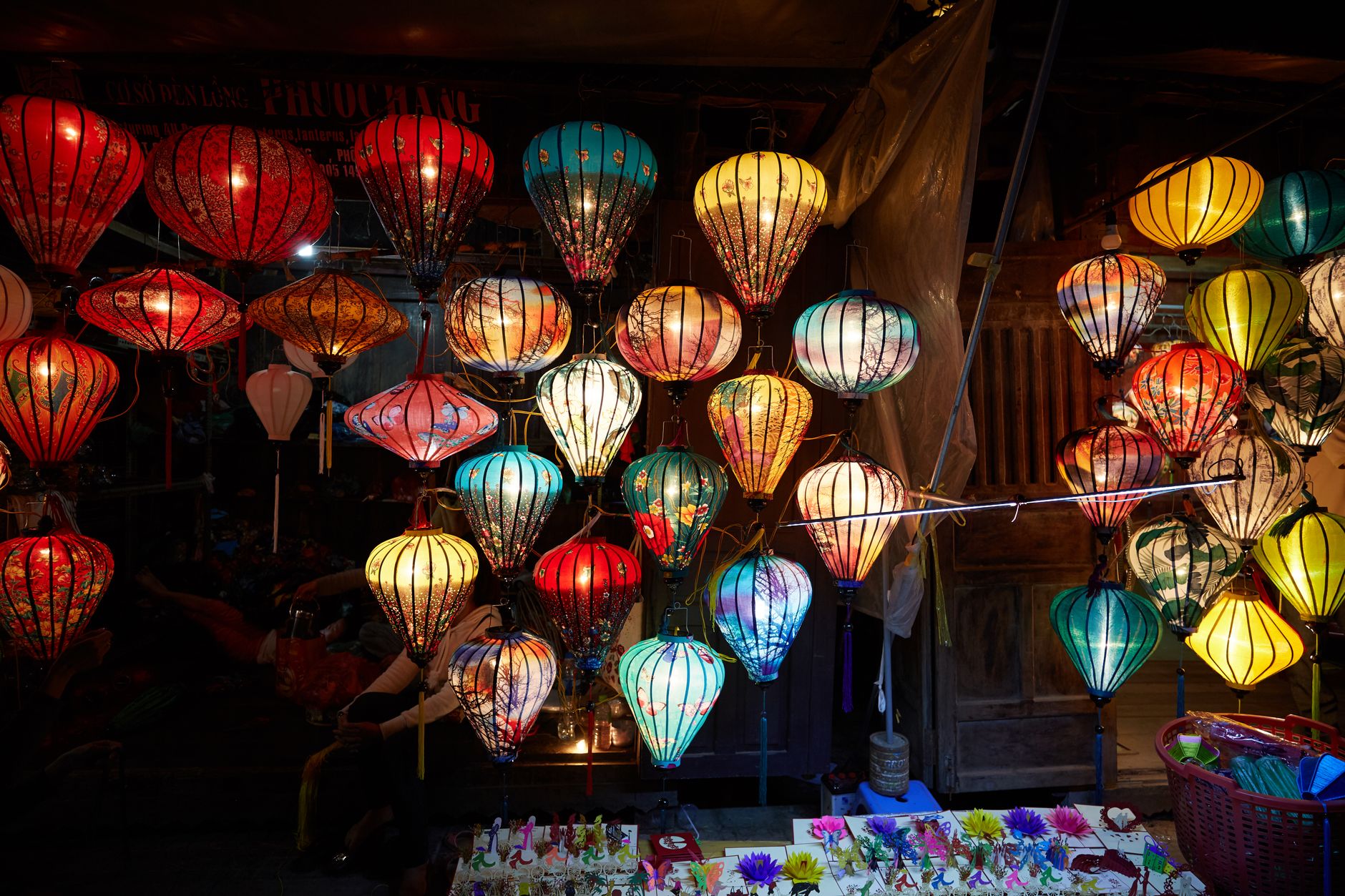
Central Vietnam is where I'd send anyone short on time. Hoi An is a beautifully preserved old trading town, low-rise and lantern-lit, good for slowing down, tailoring clothes and eating well. Hue, the former imperial capital, has the citadel and royal tombs along the river. Nearby Da Nang has beaches and a more modern feel.
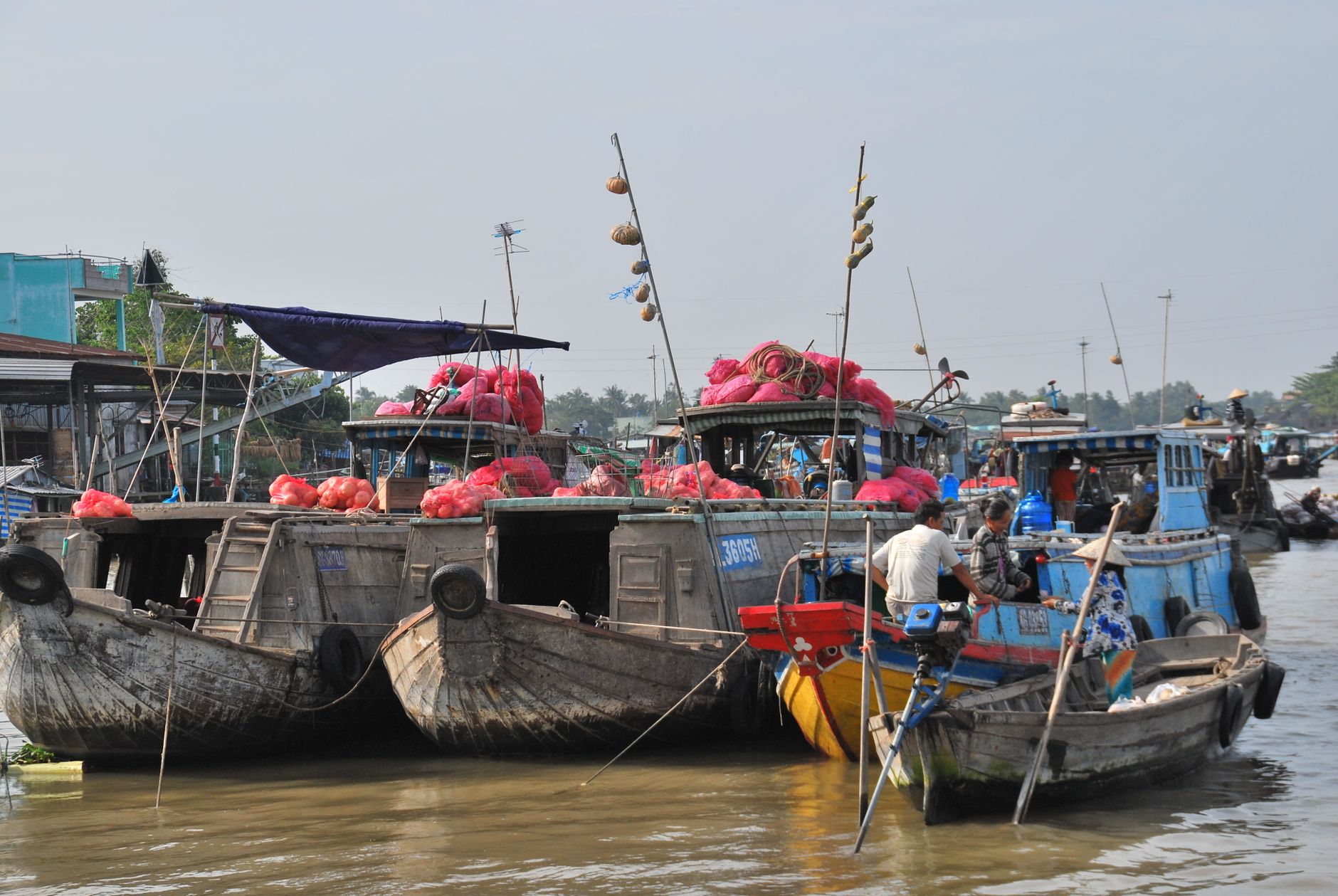
Ho Chi Minh City (still widely called Saigon) is faster, hotter and more commercial than Hanoi, and works as a base for the Mekong Delta, a watery landscape of floating markets and small canals. The south suits people who want energy, nightlife and easy access to the delta.
Getting around Vietnam is easiest with your own wheels, so it is worth hiring a car for a few days — and you will find somewhere to stay to suit most budgets.
When to go
Because the country is so long, there is no single good season. The north has a genuine cool, sometimes grey winter and a hot, wet summer. Central Vietnam is prone to heavy rain and storms in the later part of the year. The south is warm year-round with a wetter and a drier stretch, though rain there often comes in short, heavy bursts rather than all-day drizzle.
The upshot: if you are travelling the whole country, spring and autumn tend to give the most workable balance across regions, but check the specific areas you plan to visit rather than assuming the whole country shares one climate.
What first-timers get wrong
Many people try to do too much, treating Vietnam as a checklist and spending days on long overland journeys. Distances look small on a map but take time. Pick two or three regions rather than all of them.
People also underestimate the heat and humidity, and overestimate how much they can walk in the middle of the day. Carry cash, as smaller places don't take cards, and be relaxed about bargaining in markets while accepting that prices in cafés and restaurants are usually fixed.
Food worth seeking out
Vietnamese food is fresh, herb-heavy and regional. Pho, the beef or chicken noodle soup, is a northern staple eaten at all hours. In Hue, look for bun bo Hue, a spicier noodle soup, and in Hoi An try cao lau and white rose dumplings. Everywhere, banh mi, the baguette sandwich, and bun cha, grilled pork with noodles, are worth hunting down. Eat at busy street stalls where the turnover is high, sit on the small plastic stools, and drink the strong iced coffee with condensed milk.


