

 Talha Güney / Pexels
Turkey: what to see and when to go
· Captain Cheap
Turkey sits awkwardly in most people's imaginations, half Mediterranean beach holiday, half something more exotic and unfamiliar. In practice it is a large, varied country that rewards curiosity and frustrates anyone hoping for a single, tidy experience. It spans two continents, holds several distinct landscapes, and moves at very different speeds depending on where you are. Come expecting one thing and you will probably find several others.
What it's actually like
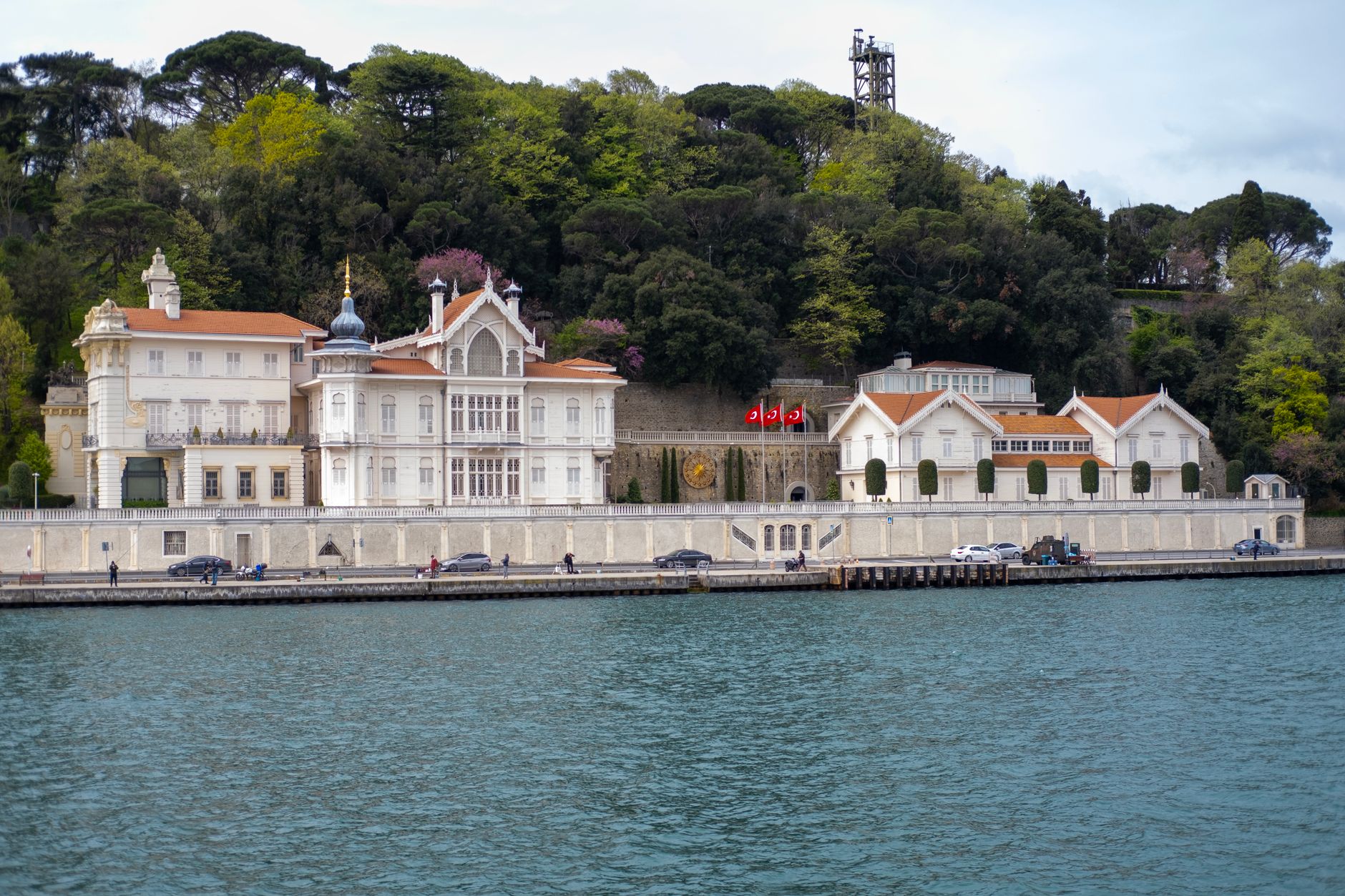
The first surprise for many visitors is how modern and functional most of the country feels. Istanbul is a working metropolis with good public transport, endless neighbourhoods, and a pace that can be exhausting. The coasts are geared toward visitors but retain fishing towns and farmland behind the resorts. Inland, the plateau of Anatolia is dry, open, and far less touristed, with cities that see few foreign faces.
Turkey is also a country of strong hospitality, which can catch northern Europeans off guard. Being invited for tea by a shopkeeper is normal and usually genuine, though in the most touristed spots it can precede a sales pitch. The religious character varies enormously: Istanbul and the west are broadly secular in feel, while central and eastern regions are more conservative. Neither is the "real" Turkey; both are.
Regions and cities
Istanbul is the obvious starting point and worth several days on its own. The historic peninsula holds the big monuments, but the city really lives across the water in neighbourhoods like Kadıköy and along the Bosphorus. It suits anyone who likes cities that don't slow down.
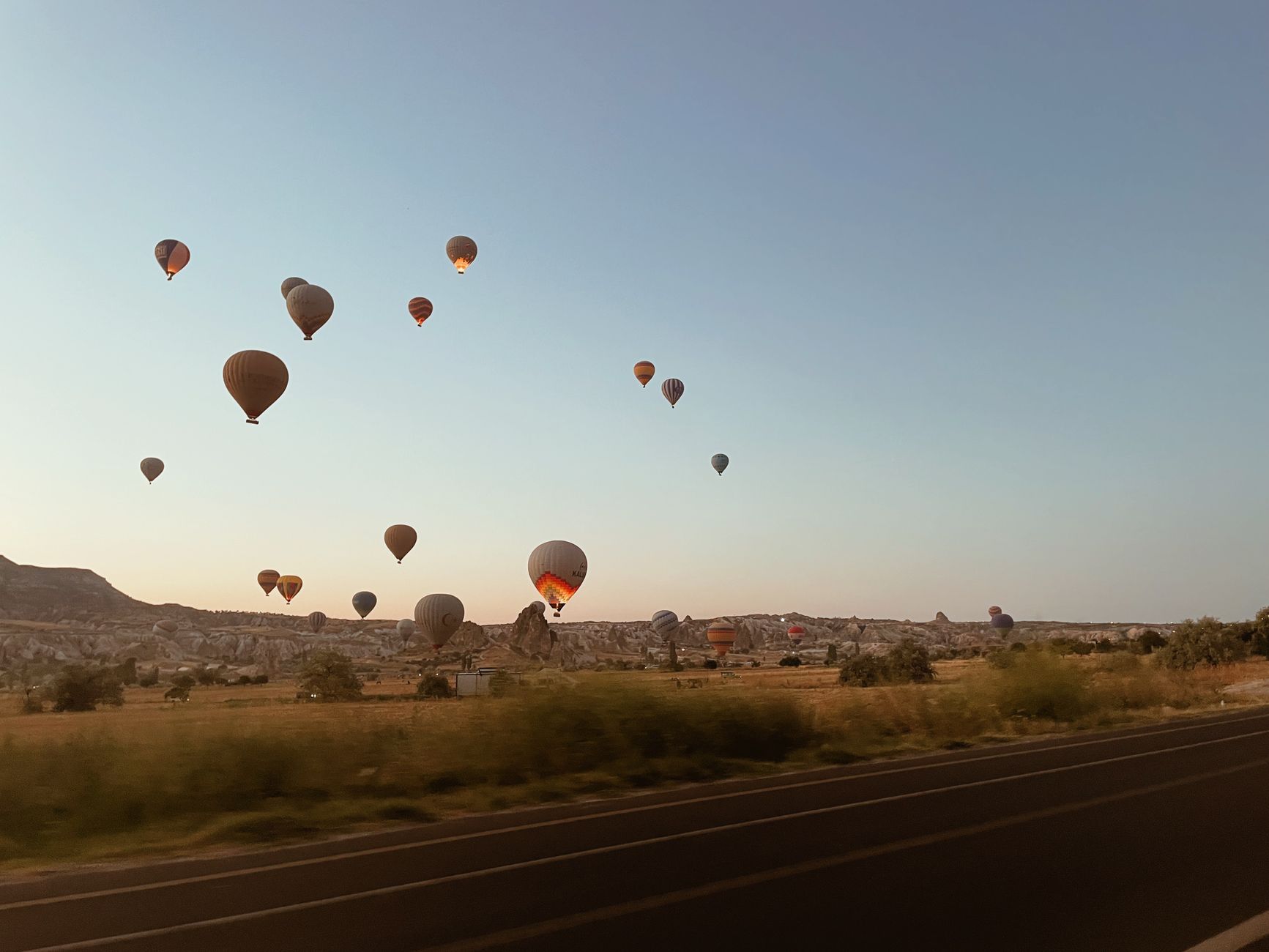
The Aegean and Mediterranean coasts are where most beach-and-ruins holidays happen. Around Izmir you have Ephesus and the old Greek-influenced towns; further south, places like Fethiye and the Lycian coast combine swimming with hiking and boat trips. This stretch suits families and anyone wanting sun with some history attached.
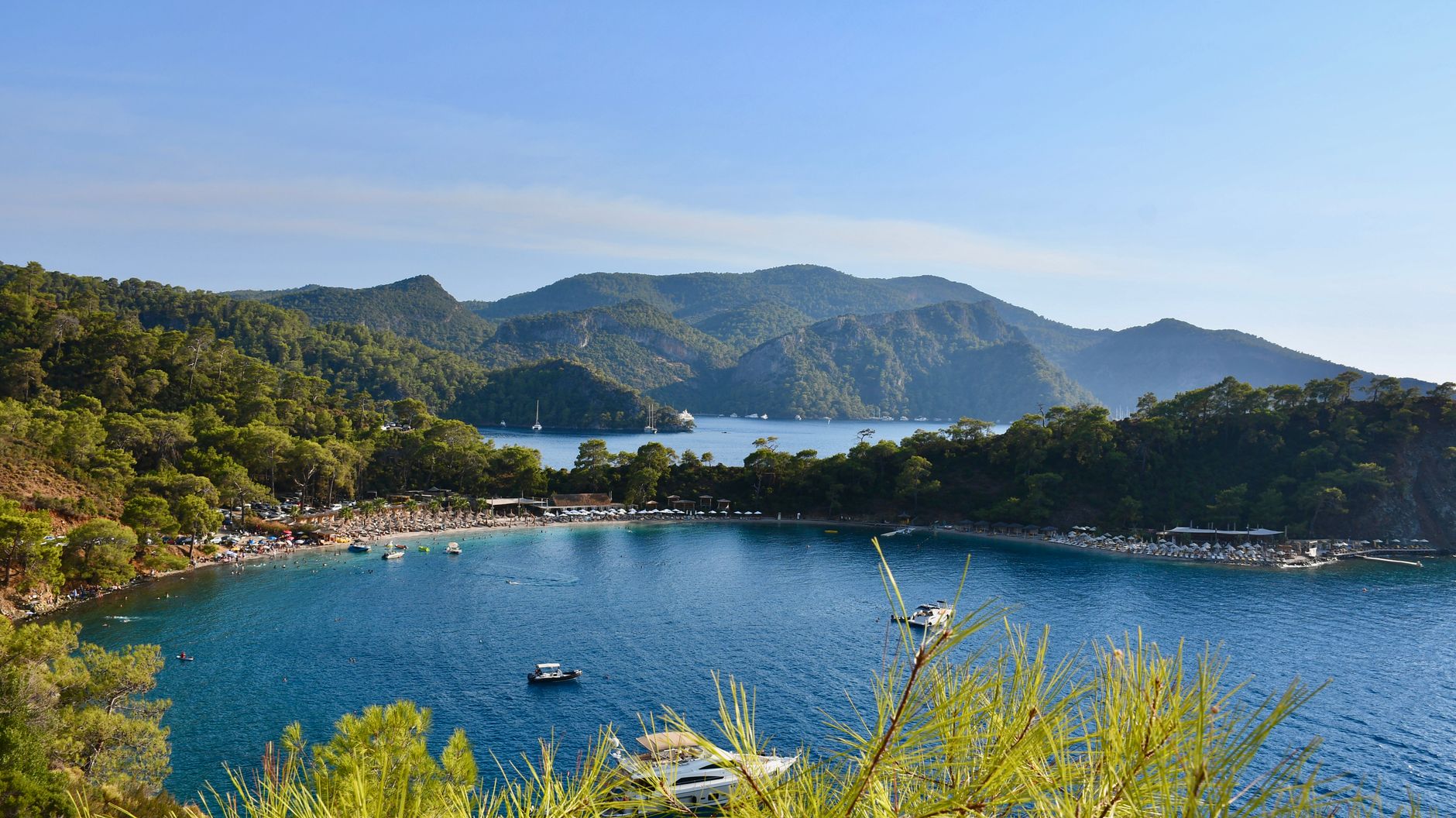
Cappadocia, in the centre, is the landscape people recognise from photographs: eroded rock cones, cave dwellings, and hot-air balloons at dawn. It is heavily visited but still striking, and good for walking.
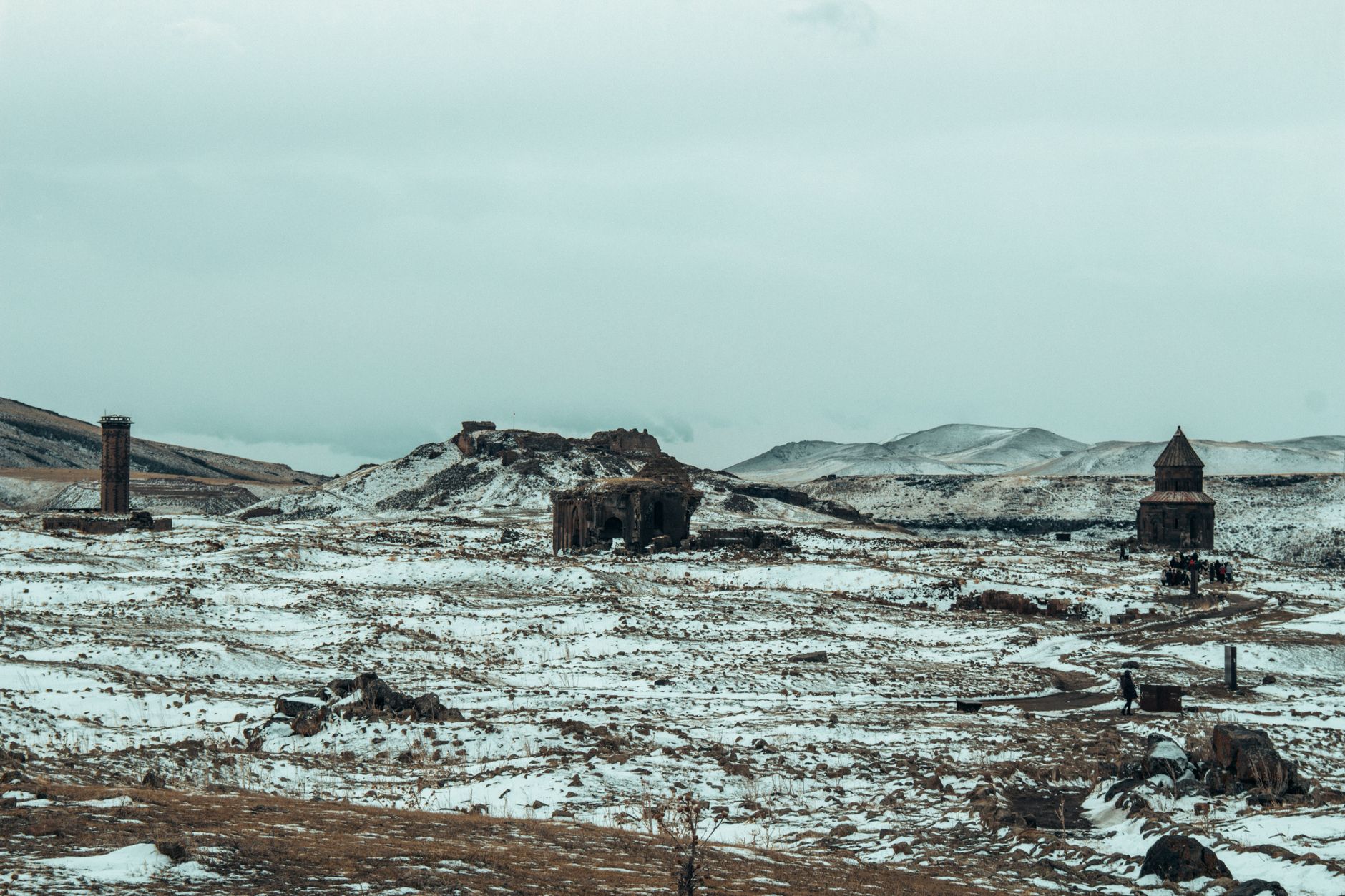
The east, around cities like Kars, Van and the ruins of Ani, is remote, mountainous and far less set up for tourism. It suits confident, independent travellers rather than first-timers.
Getting around Turkey is easiest with your own wheels, so it is worth hiring a car for a few days — and you will find somewhere to stay to suit most budgets.
When to go
Spring and autumn are the most comfortable seasons across most of the country. April to June brings warm days and wildflowers on the coasts, while September and October keep the sea warm after the summer crowds have thinned.
Summer is genuinely hot, especially inland and along the southern coast, where midday can be punishing. Istanbul in high summer is humid and busy. Winter is mild and rainy on the coasts, cold and often snowy in Anatolia and the east, where some routes become difficult. Cappadocia under snow is beautiful but cold.
What first-timers get wrong
Many people try to see too much, treating Istanbul, the coast and Cappadocia as a single easy loop. The distances are large and the country is bigger than it looks on a map; internal travel eats into a short trip quickly. Pick two regions rather than four.
Dress is another common misjudgement. The coasts are relaxed, but mosques require modest clothing and covered heads for women, and more conservative towns reward the same. Carrying a scarf solves most of this.
Finally, people underestimate how much daily life happens over tea and long meals. Rushing tends to work against you here.
Food worth seeking out
Turkish food goes far beyond the kebab most visitors arrive expecting. Look for meze, the spreads of small cold and hot dishes meant for sharing, and regional breakfasts, which can stretch across a whole table of cheeses, olives, eggs and bread.
In the southeast, around Gaziantep, the food is richer and spicier, with pistachios and slow-cooked meats. On the coast, grilled fish and seafood dominate. Street food is worth trying: simit bread rings, stuffed mussels, and lahmacun, a thin flatbread with spiced meat. Save room for baklava and thick, unfiltered coffee served with something sweet.