

 Juan Soler Campello / Pexels
Portugal: what to see and when to go
· Captain Cheap
Portugal sits at the western edge of Europe, and for a long time it was overshadowed by Spain next door. That has changed, and the country now draws crowds it didn't used to, but it still rewards anyone willing to look past Lisbon's most photographed viewpoints. It's small enough to cross in a day yet varied enough that the green, rainy north feels like a different country from the dry, sun-bleached Algarve.
What it's actually like
Portugal is gentler and slower than first-time visitors expect. People assume it's a cheaper version of Spain, but the mood is different: quieter, more melancholic, less given to late-night noise and grand gestures. The Portuguese are generally reserved and courteous, and English is widely spoken in cities and tourist areas, less so in rural interiors.

The other surprise is the terrain. Lisbon and Porto are both built on steep hills, which means a lot of walking up and down, often on smooth stone pavement that turns slippery in rain. The coast is frequently wild rather than balmy — the Atlantic is cold and the surf serious, even in summer.
Where to go
Lisbon suits people who want a capital with atmosphere rather than monuments to tick off. It's a city of tiled facades, trams, and neighbourhoods like Alfama that reward aimless wandering. Porto, smaller and grittier in a good way, sits above the Douro river amid the port wine lodges; many travellers end up preferring it.

The Douro Valley upriver is terraced vineyard country, best for a slow few days rather than a rush. The Alentejo, the vast plain south of Lisbon, is for people who like emptiness — cork oaks, whitewashed hill towns like Évora, long horizons and very hot summers. The Algarve in the far south has the beaches and the golf, and in high season the resort strip can feel entirely detached from Portugal, though the western and eastern ends stay quieter.
Don't overlook the centre: Coimbra with its ancient university, and the forested Serra da Estrela mountains. And the Azores and Madeira, Atlantic islands, are worth their own trip for hiking and volcanic landscapes.
Getting around Portugal is easiest with your own wheels, so it is worth hiring a car for a few days — and you will find somewhere to stay to suit most budgets.
When to go
Late spring and early autumn are the sweet spots. May and June bring warm days, long light and wildflowers without the peak crowds. September and October keep the sea at its warmest after a summer of heating up, and the summer visitors thin out.
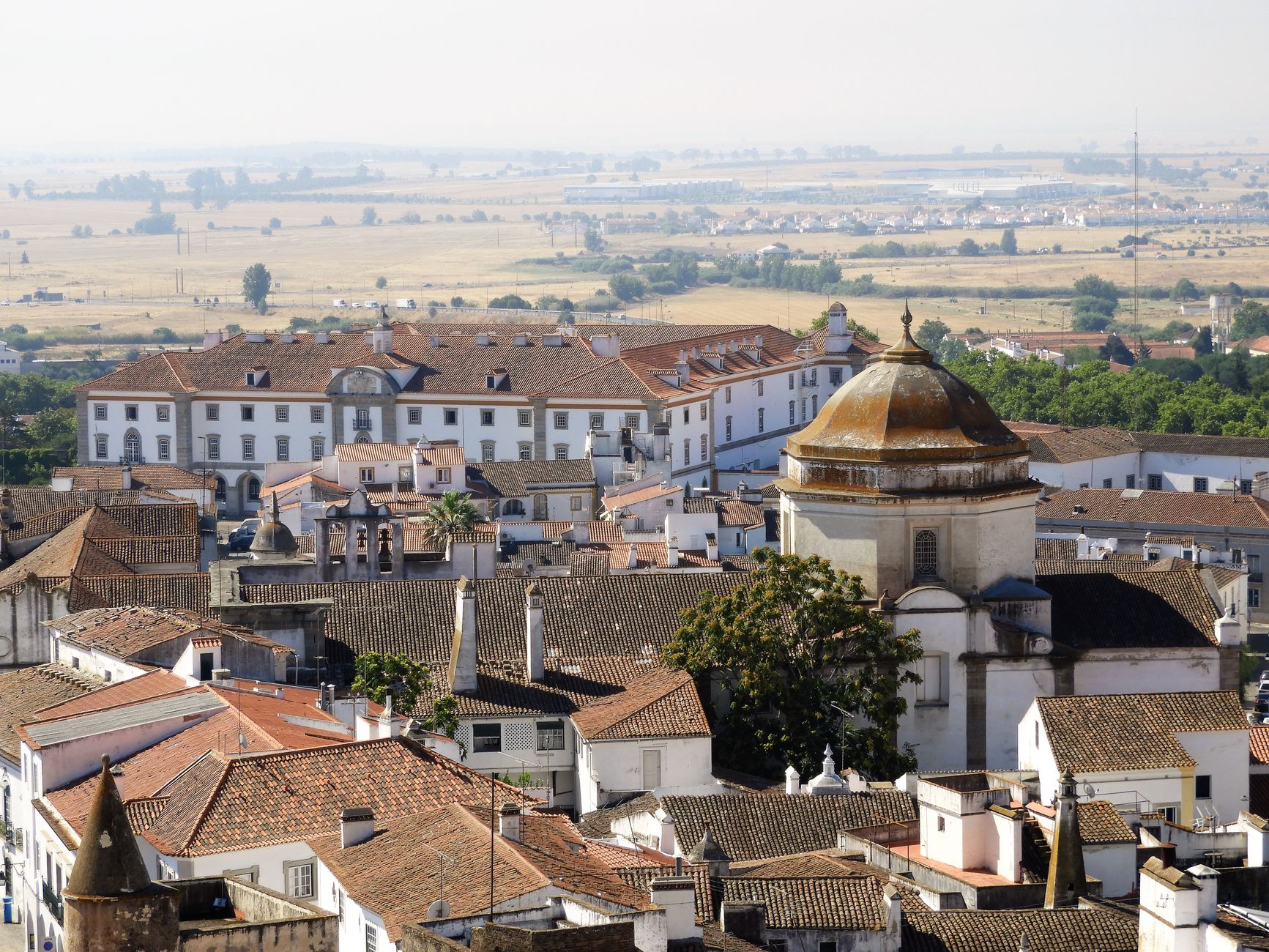
High summer is genuinely hot inland — the Alentejo can be punishing — while the coast stays more moderate thanks to Atlantic winds. Winter is mild in the south but wet and grey in the north; Porto and the Douro get real rain. If you come off-season, pack for damp rather than cold.
What first-timers get wrong
The biggest mistake is trying to do too much. The country looks compact on a map, but the roads through hilly and rural areas are slower than the distances suggest, and Lisbon alone deserves more time than people give it.
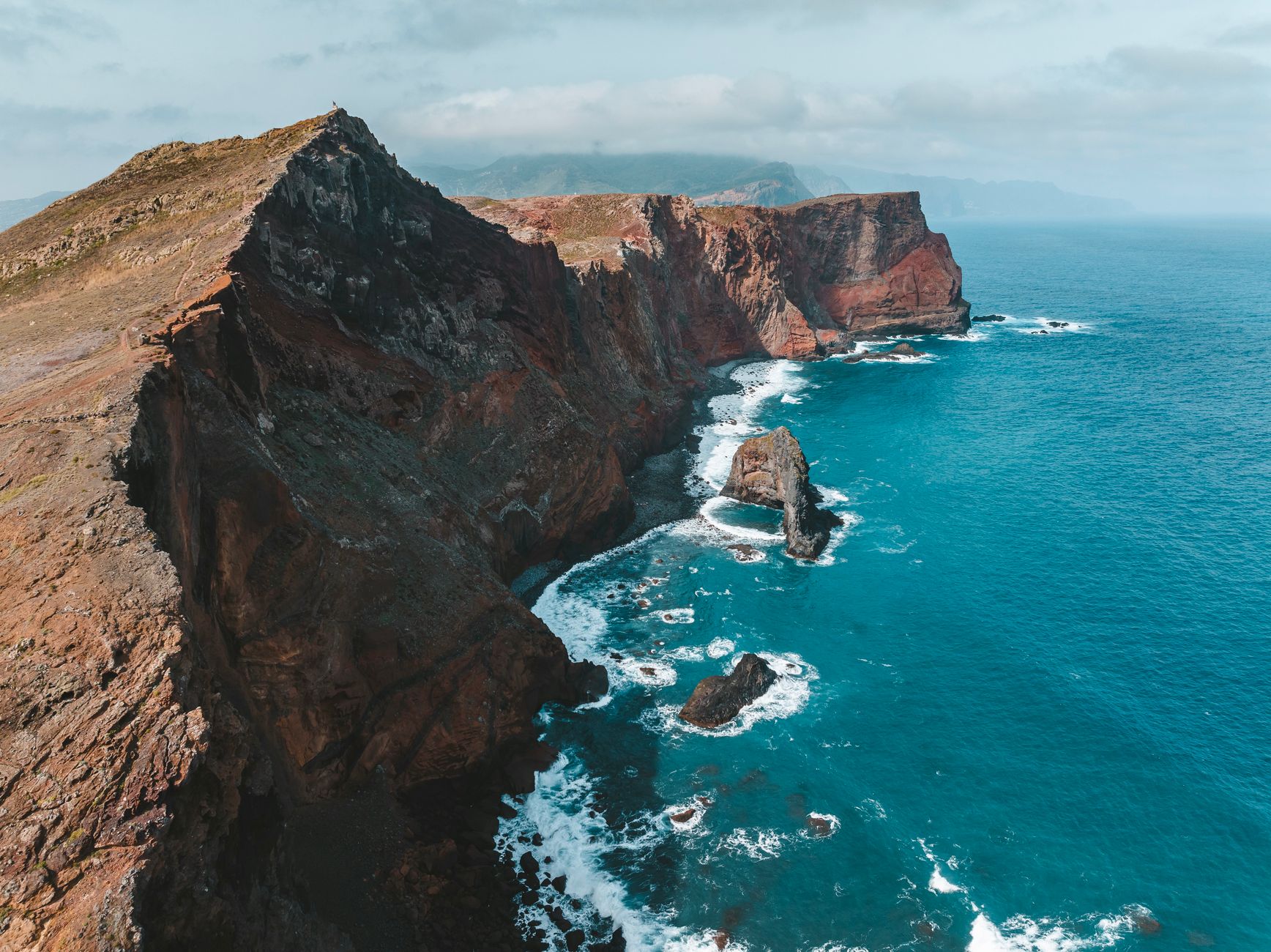
Many also underestimate the hills and the cobblestones — comfortable shoes matter more here than in most European cities. Another common error is treating the Algarve as representative of the whole country; it's the least typical part. Finally, mealtimes run late by northern European standards, and many kitchens close in the afternoon between lunch and dinner.
Food worth seeking out
Portuguese food is built on the Atlantic and on simple, generous cooking. Seek out grilled fish and seafood — sardines in summer, plus clams, octopus and percebes (goose barnacles) where you find them. Bacalhau, salt cod, appears in countless preparations and is a national obsession worth trying at least once.
In Porto, the francesinha is a heavy, sauce-drenched sandwich that divides opinion. Pastéis de nata, the custard tarts, are everywhere and rightly so. Portuguese wines are still undervalued: the reds of the Douro and Alentejo, the crisp vinho verde of the north, and port and Madeira as fortified specialities. Coffee culture is strong, and a small espresso, ordered as a bica in Lisbon, is the everyday ritual.