

 Nicu Ene / Pexels
Romania: what to see and when to go
· Captain Cheap
Romania sits at the eastern edge of Central Europe, a large country of mountains, forests and farmland that still feels less trodden than most of the continent. People arrive expecting either Dracula kitsch or grey post-communist gloom, and find neither dominates. Instead there are painted monasteries, brown bears in the hills, walled Saxon towns and a capital that swings between grand boulevards and crumbling backstreets. It rewards curiosity and a willingness to move slowly.
What it's actually like
Romania is bigger and more varied than visitors assume, and getting around takes longer than a map suggests. Roads wind through mountains and villages, trains are slow, and rushing between regions defeats the point. The country carries visible layers of history: Roman roots in the language, Ottoman and Habsburg influences, decades of communism under Ceaușescu, and the messy energy of the years since. In the countryside you still see horse-drawn carts and hand-scythed hay meadows, not as performance but as ordinary life. Cities, by contrast, are increasingly modern, with lively cafés and a young population fluent in English.
Regions worth your time
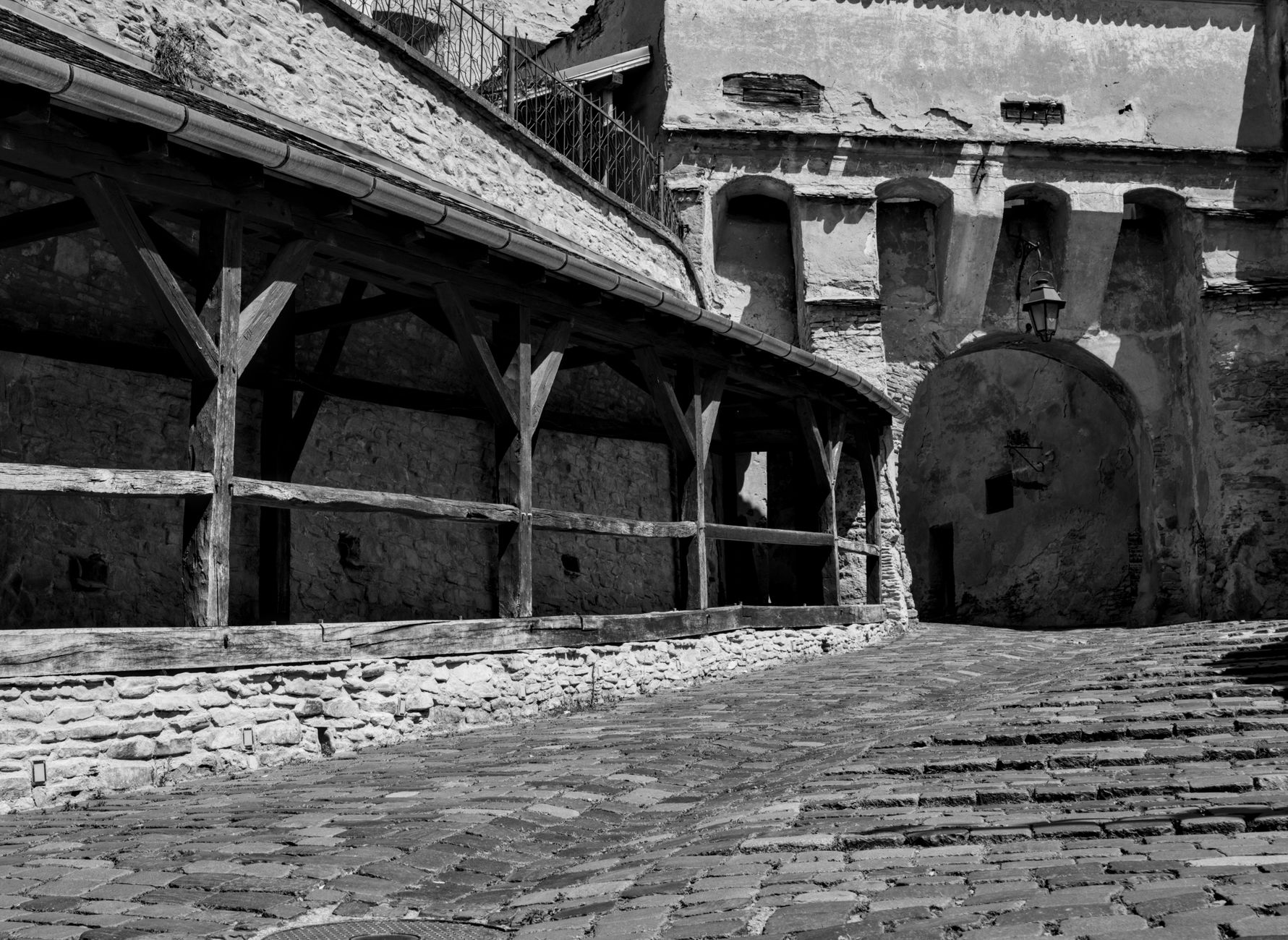
Transylvania is the region most people picture, and it lives up to it. The medieval centres of Brașov, Sibiu and Sighișoara are compact and walkable, ringed by the Carpathian Mountains. This is good country for hiking, and for the fortified Saxon churches scattered across small villages. It suits anyone who likes history and landscape in the same day.
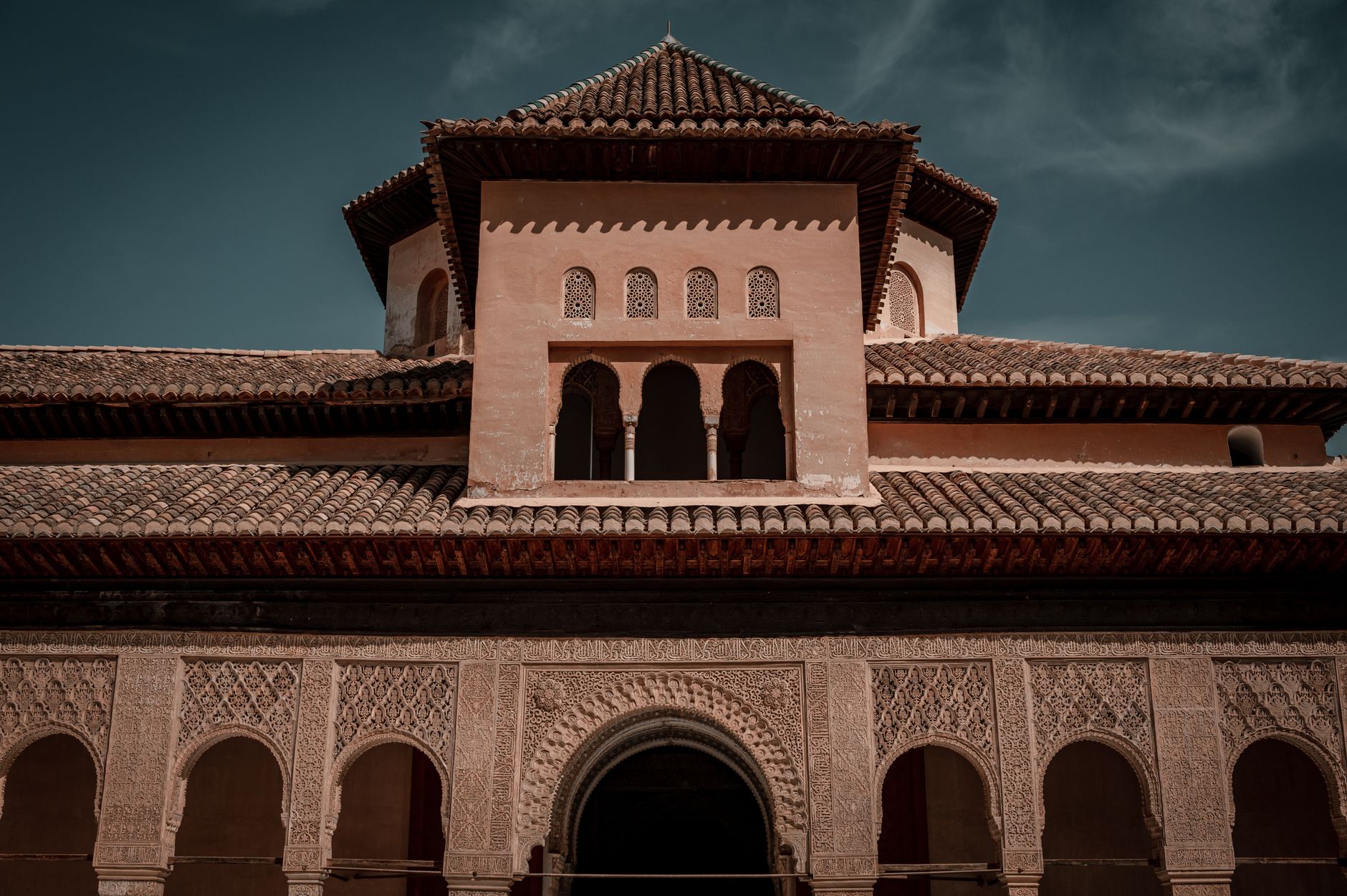
Bucharest, the capital, divides opinion and is worth giving a chance. It mixes the vast, cold monumentalism of Ceaușescu's Palace of the Parliament with elegant early-twentieth-century architecture and a genuinely good eating and drinking scene. It suits city travellers who don't need everything polished.
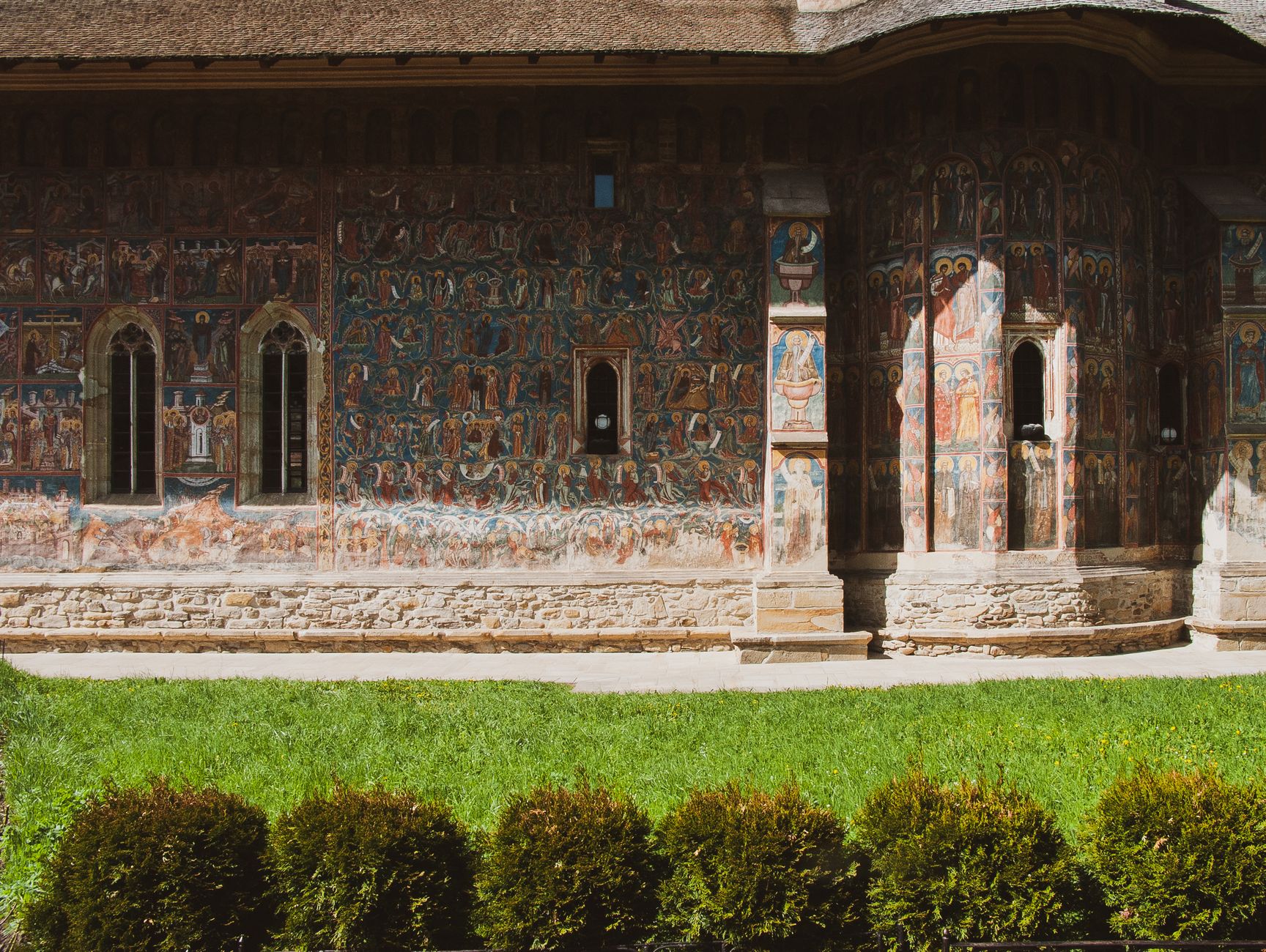
Bucovina, in the northeast, holds the painted monasteries, their exterior walls covered in centuries-old frescoes. Maramureș, further northwest, is the deep rural heart, known for wooden churches and traditional village life. Both suit travellers happy to be somewhere remote and quiet.
The Danube Delta, where the river meets the Black Sea, is a wetland of channels, reeds and birdlife best explored by boat. It appeals to anyone drawn to wildlife and slow water travel rather than sights.
Getting around Romania is easiest with your own wheels, so it is worth hiring a car for a few days — and you will find somewhere to stay to suit most budgets.
When to go
Late spring and early autumn are the most reliable times. May and June bring green hills, wildflowers and comfortable temperatures, while September and October offer warm days, harvest food and turning forests. Summer is hot, especially in Bucharest and the lowlands, though the mountains stay pleasant and this is the season for hiking and the Black Sea coast. Winter is genuinely cold, with heavy snow in the Carpathians; it suits skiing and atmospheric Christmas markets, but rural travel becomes harder and daylight is short.
What first-timers get wrong
The most common mistake is trying to see too much. Distances that look modest take hours, and cramming Bucharest, Transylvania and the north into a few days leaves you exhausted. Pick one or two regions.

People also over-index on the Dracula story. Bran Castle is marketed heavily on that connection, but its link to the historical Vlad the Impaler is thin, and the castle itself is modest. Treat it as one stop, not a pilgrimage.
Renting a car opens up the countryside, but be prepared for mountain roads, slow trucks and unpredictable rural driving. Cash is still useful in villages, even though cards work widely in cities. And a little Romanian courtesy goes a long way, though English is common among younger people.
Food worth seeking out
Romanian food is hearty and rooted in the seasons. Look for sarmale, cabbage or vine leaves stuffed with spiced pork and rice, usually served with polenta and sour cream. Mămăligă, that polenta, appears alongside many dishes. Ciorbă, a sour soup soured with fermented bran or lovage, comes in many versions and is worth trying. Mititei, small grilled meat rolls, are a warm-weather staple.
In the countryside, seek out fresh sheep's cheese, homemade preserves and țuică, the potent plum spirit offered as a welcome. Markets are the best place to understand how Romanians actually eat.