

 Mico Medel / Pexels
Philippines: what to see and when to go
· Captain Cheap
The Philippines is an archipelago of more than seven thousand islands, which means no single trip can sum it up. People often picture beaches and little else, and while the beaches are real, the country is bigger, busier and more varied than that image suggests. It is Southeast Asian but shaped by centuries of Spanish and American influence, so you get Catholic churches, jeepneys, karaoke everywhere, and English spoken widely alongside Filipino and dozens of regional languages.
What it's actually like
The Philippines rewards patience more than it rewards planning. Distances that look short on a map can take a long time because you often travel by boat, ferry or winding road. Manila, the capital, surprises many first-time visitors with how sprawling and congested it is; it is not a pretty introduction, though it has good food and genuine history in the Intramuros district. The warmth of people is not a cliché here, and the informal, unhurried way things work becomes easier once you stop fighting it.

What differs from expectation is the sheer range. You can be in a dense city one day and, a short flight later, on an island with almost no infrastructure. It is not a polished, seamless destination in the way some of its neighbours market themselves. That roughness is part of the appeal if you come with the right attitude.
Where to go
Palawan draws people for good reason. El Nido and Coron sit among limestone cliffs and clear water, with boat trips out to lagoons and small islands. It suits anyone who wants dramatic seascapes and doesn't mind that popular spots get busy.
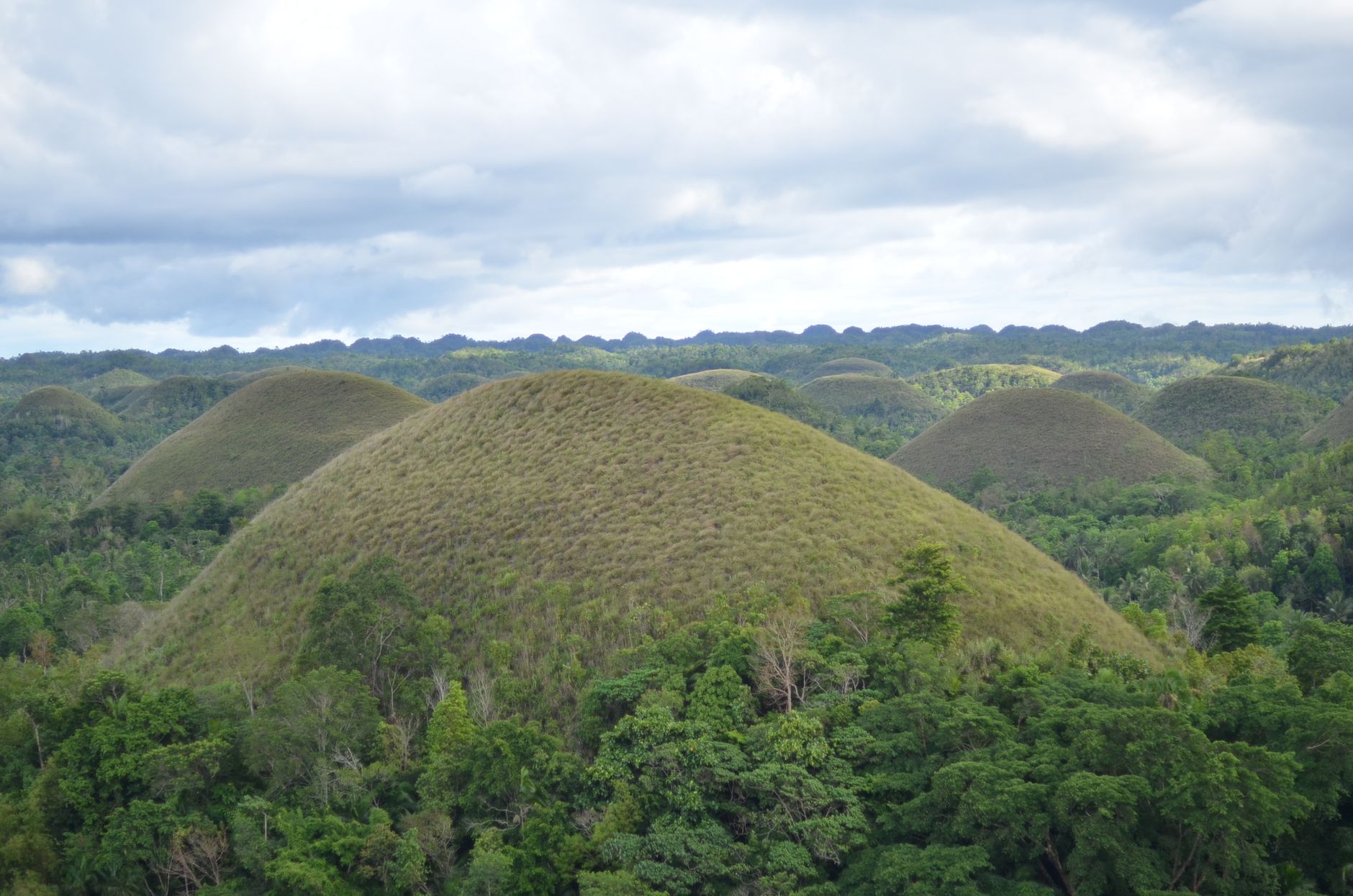
Cebu and the surrounding Visayas region are more central and easier to move around. Bohol has the odd, rounded Chocolate Hills and tarsiers, small primates you can see in sanctuaries. Siquijor and Bantayan appeal to travellers wanting quieter islands.
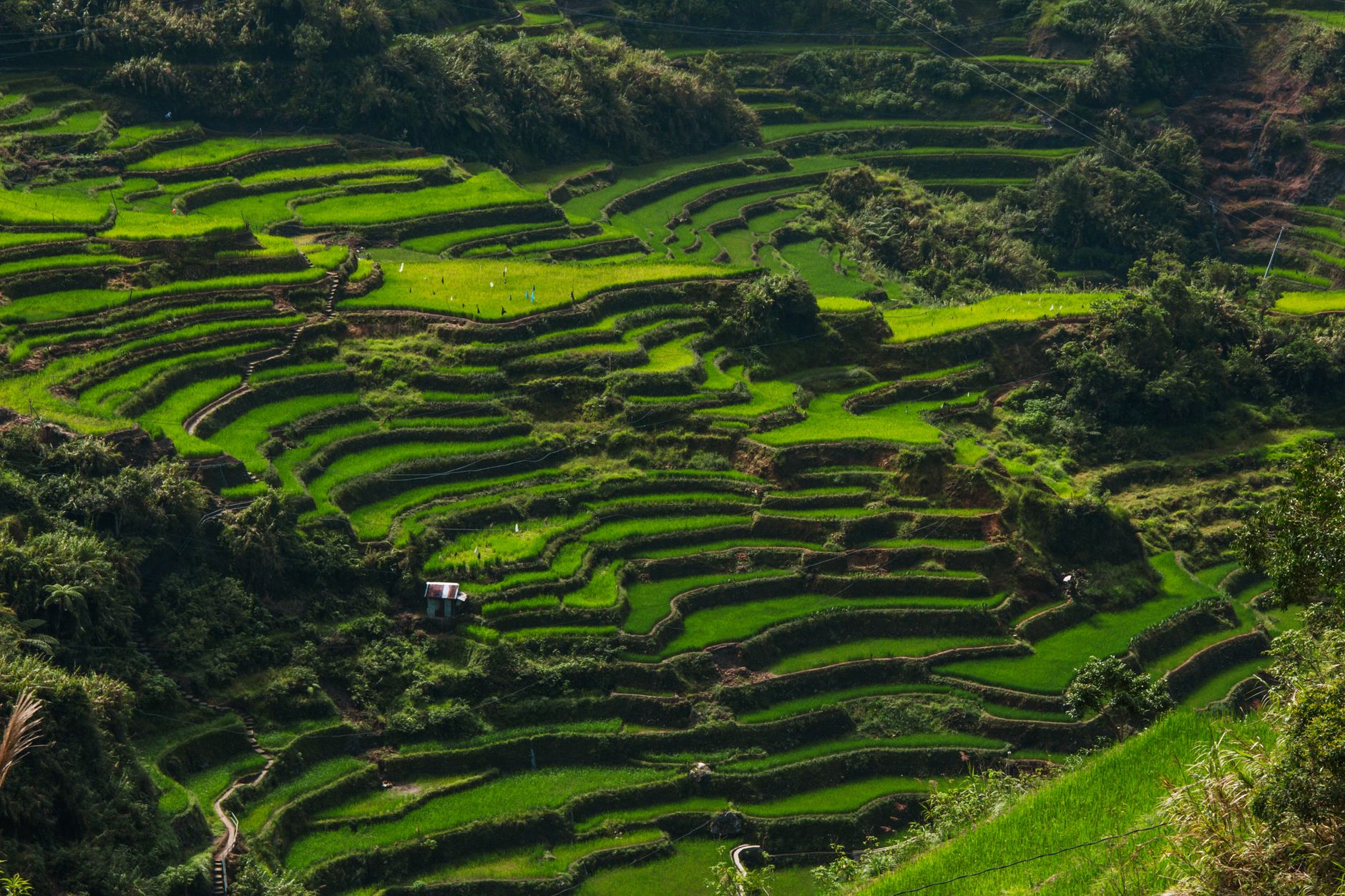
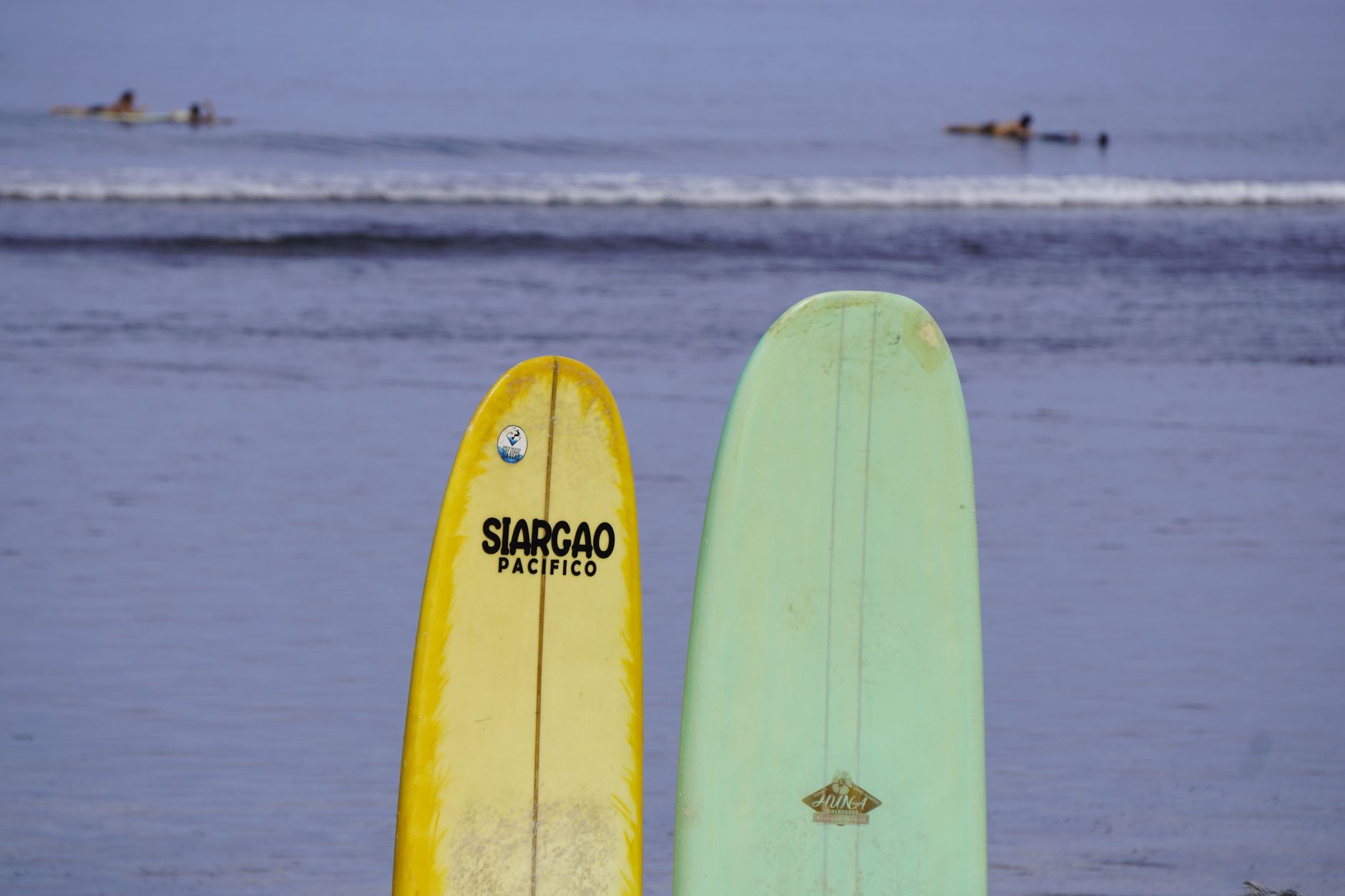
Siargao has become known for surfing but works for non-surfers too, with a laid-back pace. For something entirely different, northern Luzon offers the rice terraces around Banaue and Batad, carved into steep mountainsides, and the cool highland town of Baguio. This is the region for walkers and people who want landscapes over beaches.
Divers and snorkellers should look at places like Malapascua, Apo Island and the waters around Palawan.
Getting around Philippines is easiest with your own wheels, so it is worth hiring a car for a few days — and you will find somewhere to stay to suit most budgets.
When to go
The broad rule is a dry season roughly from late autumn through spring, and a wet season across summer and early autumn. The dry months are the most reliable for island-hopping and beaches, which also makes them the busiest, particularly around the winter holidays and the Easter period, when domestic travel surges.
The wet season does not mean constant rain, but it brings the risk of typhoons, especially in the second half of the year, which can disrupt ferries and flights between islands. Heat and humidity are constant year-round in the lowlands; the highlands are the exception and can feel genuinely cool.
What first-timers get wrong
The most common mistake is trying to see too much. Island transfers eat into your days, so choosing two or three areas beats racing across five. Another is underestimating how weather affects boats; a cancelled crossing can strand you, so leave slack in your schedule, especially before onward travel.
Cash matters more than you expect. Card acceptance is patchy outside cities and resorts, and ATMs on small islands run dry or don't exist. Bring enough with you. Finally, respect the sun and the sea; currents can be strong, and shade is not always available on boat trips.
Food worth seeking out
Filipino food is savoury, often sour, and less known abroad than it should be. Adobo, meat stewed in vinegar, soy and garlic, is the everyday classic. Sinigang is a tamarind-soured soup that locals are passionate about. Try lechon, slow-roasted pork with crisp skin, and kinilaw, raw fish cured in vinegar and citrus.
Seafood is excellent near the coast, often grilled simply. For dessert, halo-halo is a cold mix of shaved ice, sweet beans, fruit and milk. Look also for local street snacks and the strong, sweet coffee grown in the highlands.
