

 jhon alexis / Pexels
Thailand: what to see and when to go
· Captain Cheap
Thailand rewards visitors who arrive without a fixed idea of what it should be. It is a country of dense, humid cities and quiet mountain villages, of temples with gilded roofs and concrete strip-malls, of beaches that match the postcards and beaches long since overrun. It manages to feel both intensely welcoming and completely indifferent to whether you understand it, which is part of the appeal.
What it's actually like
The first thing most people underestimate is how developed and organised much of Thailand is. Bangkok is a serious modern city with an efficient elevated train, air-conditioned malls, and traffic that will test your patience. The countryside and smaller towns move at a slower pace, but even there you are rarely far from a convenience store, a decent road, or someone able to help.
The second surprise is the heat. Thailand is genuinely tropical, and the humidity is constant for much of the year. This shapes daily life more than newcomers expect: locals move slowly in the middle of the day, eat and socialise late, and treat air conditioning as a refuge rather than a luxury.
It is also less relentlessly cheerful than the marketing suggests. Thai social life runs on politeness and avoiding open conflict, which can read as friendliness but is really something more reserved. A calm, unhurried manner will get you much further than frustration ever will.
Where to go
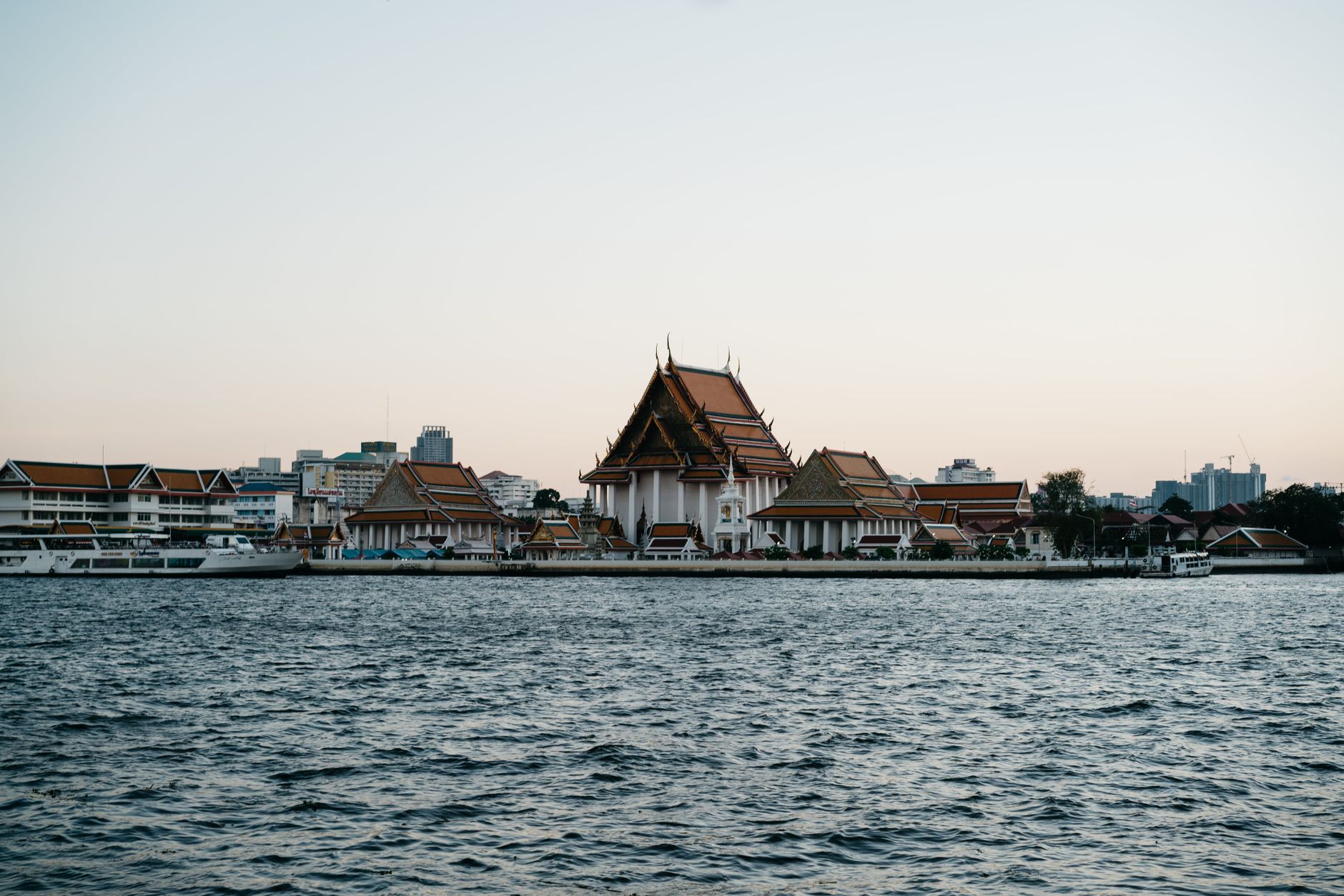
Bangkok deserves more than the day or two people give it before rushing to the islands. It suits anyone who likes cities with texture: temples along the river, canal neighbourhoods, street food, and markets that go on for hours.

The north, centred on Chiang Mai, is cooler, greener and more relaxed. It suits travellers interested in mountains, older temples, and a walkable city with a strong food culture. Further north and into the hills, the pace drops further still.
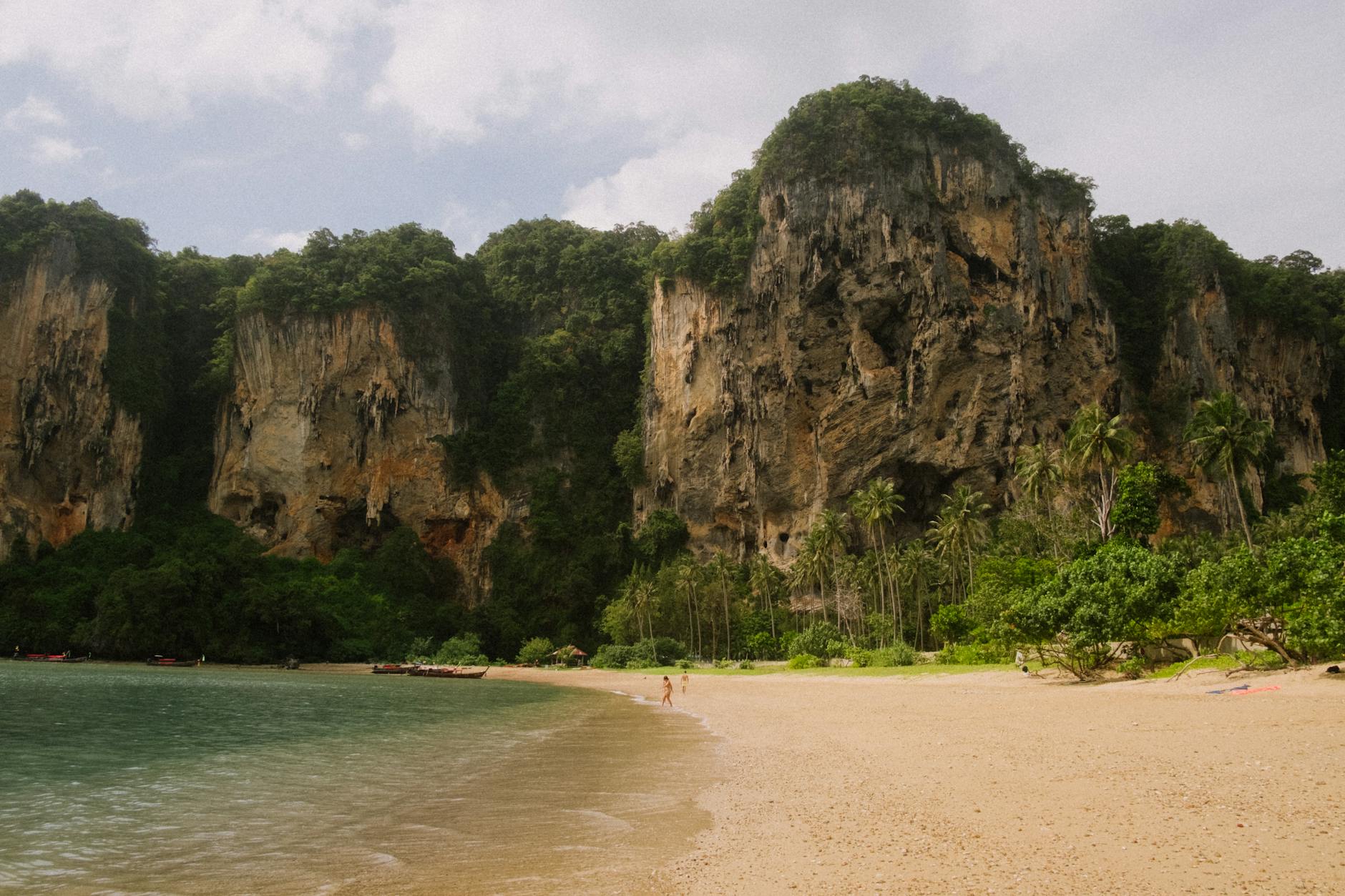
The south is where the beaches are, split between the Andaman coast on the west and the Gulf coast on the east. The two sides have opposite rainy seasons, which is worth knowing, since one can be stormy while the other is calm. Some islands are heavily built up and lively; others are quieter and harder to reach. Choose deliberately rather than assuming they are interchangeable.
The northeast, known as Isaan, is the least visited region and appeals to people who want everyday Thailand rather than the tourist version, along with some of the country's boldest food.
Getting around Thailand is easiest with your own wheels, so it is worth hiring a car for a few days — and you will find somewhere to stay to suit most budgets.
When to go
The cool, dry season, roughly the northern-hemisphere winter, is the most comfortable time and also the busiest. Days are warm and clear, evenings pleasant. The hot season that follows is genuinely fierce, with the heat building until the rains arrive. The rainy season brings heavy downpours, often short but intense, and does not necessarily ruin a trip, though it affects the islands most. Timing your beach choice to the right coast matters more than avoiding the rain entirely.
What first-timers get wrong
Many people try to see too much in too little time, treating Thailand as a checklist and spending half the trip in transit between distant regions. Pick two areas and let them breathe.

Dress is another common misstep. Temples expect covered shoulders and knees, and turning up in beachwear will get you turned away. Carry something to cover up.
People also over-plan the islands and under-plan the cities, and they often ignore the split rainy seasons between coasts. Finally, haggling has its place in markets but not everywhere, and doing it aggressively over small sums misreads the situation.
Food worth seeking out
Eat where locals eat, especially at street stalls and simple open-fronted shops that do one thing well. Regional cooking varies enormously: the north has milder, herb-heavy curries and sticky rice, while Isaan food is fiery, sour and built around grilled meats, papaya salad and fermented flavours. Southern cooking is hotter still and rich with coconut and seafood. Seek out a proper morning bowl of noodle soup, fresh fruit from a cart, and whatever the busiest stall is selling.


