

 Christopher Clarkson / Pexels
South Africa: what to see and when to go
· Captain Cheap
South Africa surprises people who arrive expecting a single kind of landscape or experience. It is a large, varied country where you can stand on a Cape beach in the morning and be in dry inland scrub by afternoon, where world-class cities sit close to genuine wilderness, and where the gap between wealth and poverty is visible in ways that take some getting used to. It rewards travellers who plan a little and stay curious.
What it's actually like
The scale is the first thing to reckon with. Distances between the main draws are long, and while the road network is good, getting from Cape Town to the Kruger area or the Garden Route involves real travel time. Most first-timers try to see too much and end up spending their trip in transit.
The country is also more developed and more layered than the safari-brochure image suggests. Cities have serious restaurant scenes, good wine, strong coffee and fast-moving cultural life alongside deep social divides. English is widely spoken, which makes it an easy place to travel, but it is one of eleven official languages, and the mix of cultures, histories and cuisines is part of what makes the place interesting.
Where to go
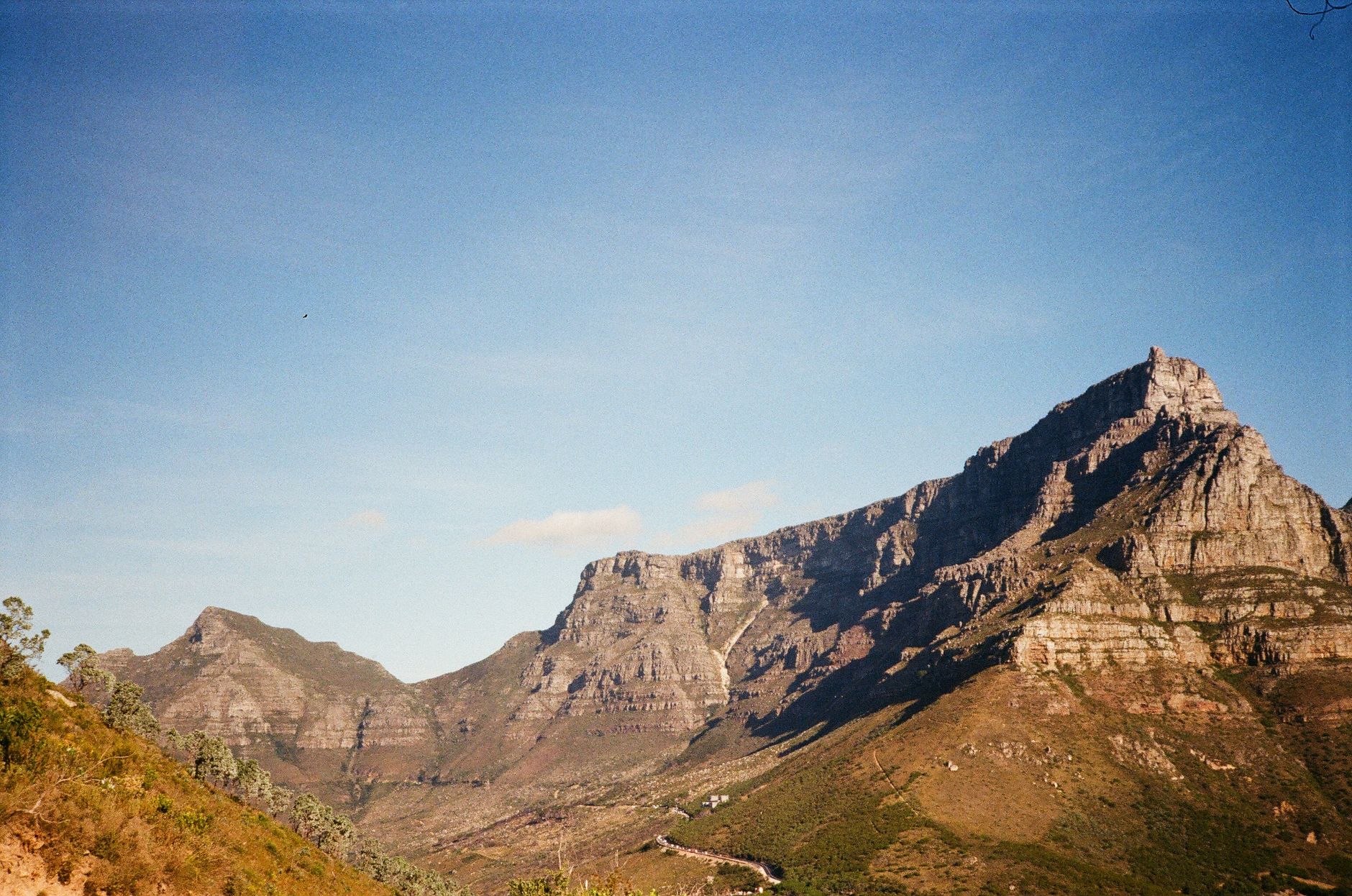
Cape Town is where many people start, and for good reason. Table Mountain rises straight out of the city, the coastline is dramatic, and the surrounding Winelands around Stellenbosch and Franschhoek are within easy reach. It suits first-timers, food-and-wine travellers and anyone who wants scenery without roughing it.
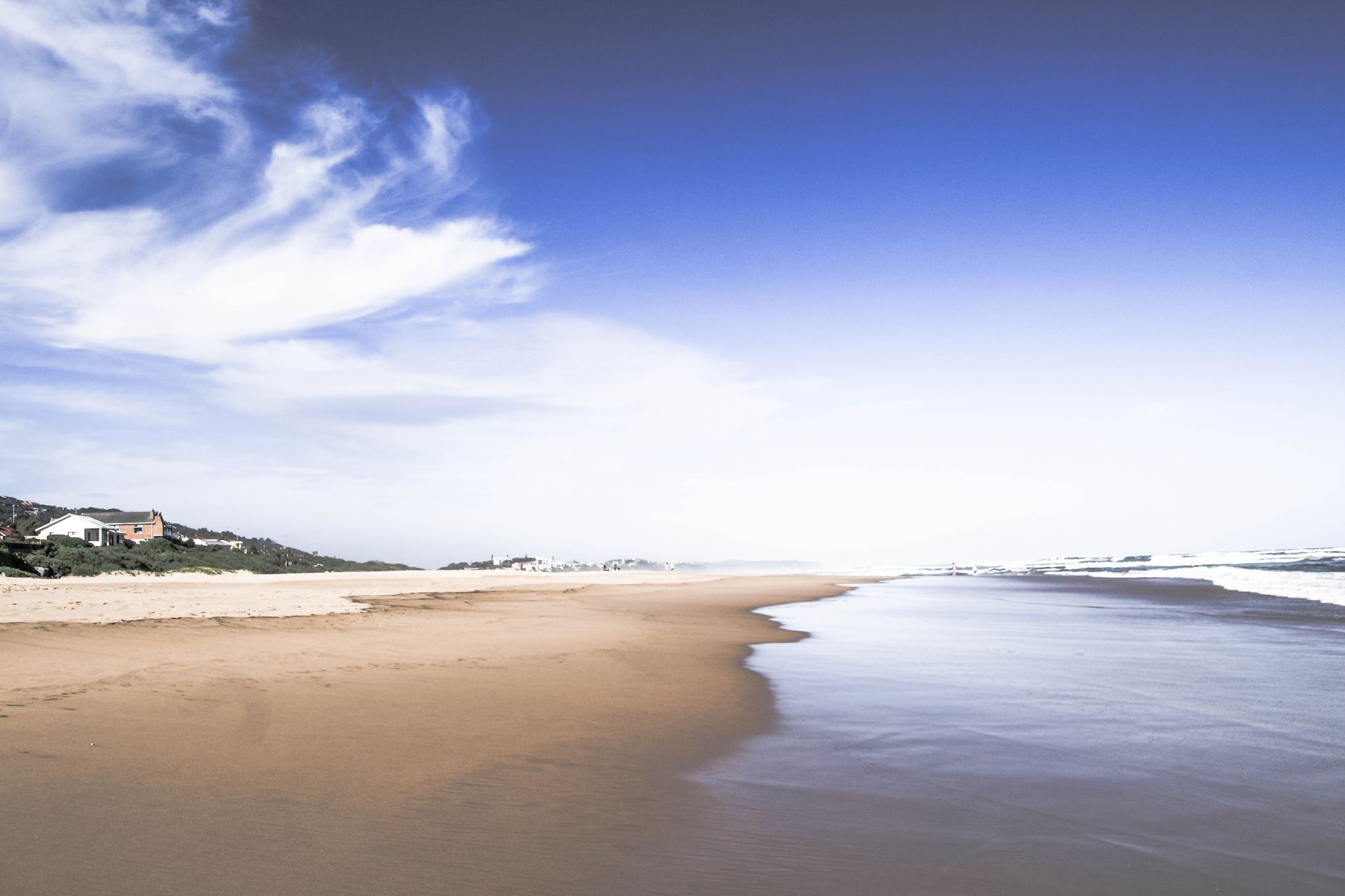
The Garden Route, running east along the coast, is a string of forests, lagoons and small towns. It suits self-drivers and people who want a slower, outdoorsy trip rather than a packed itinerary.
For wildlife, the Kruger National Park in the northeast is the obvious choice, either self-driven or through a lodge in one of the adjoining private reserves. The private reserves are pricier but offer guided drives and closer sightings. This is the region for anyone whose main goal is seeing the big animals.
Johannesburg is often skipped, but it is the country's engine and holds its most important recent history, including Soweto and the museums that deal frankly with apartheid. It suits travellers who want to understand the country rather than just photograph it. Nearby Pretoria and the routes north lead towards the bushveld.
The KwaZulu-Natal coast around Durban brings a warmer, more tropical feel, strong Indian-South African food, and access to both beaches and the Drakensberg mountains inland.
Getting around South Africa is easiest with your own wheels, so it is worth hiring a car for a few days — and you will find somewhere to stay to suit most budgets.
When to go
The seasons are reversed from the northern hemisphere. The southern winter, roughly the middle of the year, is dry in the northeast, which makes it the best time for game viewing because animals gather at water and the vegetation thins out. The same months bring cool, wet weather to Cape Town.

The southern summer, around the turn of the year, is warm and dry in the Cape, ideal for beaches, wine country and coastal driving, though it is peak local holiday season and the popular spots get busy. Spring and autumn are good all-rounders and worth considering if you want to combine regions.
What first-timers get wrong
Underestimating driving distances is the most common mistake, closely followed by treating the whole country as one climate. Pack for range, especially if you combine the Cape with a safari.

Take ordinary urban caution seriously without letting it dominate the trip. Ask locally about which areas to avoid, keep valuables out of sight, and be sensible after dark. Malaria is a consideration in parts of the Kruger lowveld, so check current medical advice before you go rather than assuming.
Food worth seeking out
Look for a braai, the South African barbecue that is as much social ritual as meal. Try boerewors sausage, biltong for the road, and bobotie, a spiced baked mince dish with Cape Malay roots. On the Durban side, seek out the local curries and bunny chow, a hollowed loaf filled with curry. And the Winelands are worth a day or two purely for eating and tasting well.
