

 Boris Hamer / Pexels
Malta: what to see and when to go
· Captain Cheap
Malta is small enough to cross in an hour by car, yet it holds more layers of history than places many times its size. It sits in the middle of the Mediterranean, closer to Africa than to much of Europe, and it feels like a crossroads: English is an official language, the food leans Italian, the architecture is a mix of Baroque churches, honey-coloured limestone, and the odd British red phone box. People arrive expecting a beach destination and find something older and stranger than that.
What to expect
The islands are dense and built-up in the centre and northeast, and quieter as you move out. Valletta, the capital, is a fortified peninsula of narrow grid streets, steep steps, and grand stone buildings, walkable end to end in a short stroll. The landscape is dry and rocky rather than lush, with low stone walls dividing small fields, flat-roofed towns, and a coastline of cliffs and rocky inlets more than long sandy shores. It is heavily Catholic, and village churches are enormous relative to the towns around them. Two other things surprise first-timers: how hot and exposed it gets in summer, with little natural shade, and how quickly the built environment gives way to open sea views.
Where to go
Valletta suits anyone who likes history, architecture, and walking. It's compact, full of museums, cafés, and views across the Grand Harbour, and works well as a base.

The Three Cities across the harbour, Vittoriosa, Senglea, and Cospicua, are older and more lived-in, good for people who want atmosphere over polish. Sliema and St Julian's are the modern, developed strip: hotels, shops, nightlife, and the busiest tourist zone. Handy, but not where you'll find the character.
Mdina, the former capital, is a tiny walled hilltop town that empties out in the evening and feels genuinely medieval. Worth a few hours, especially at dusk.
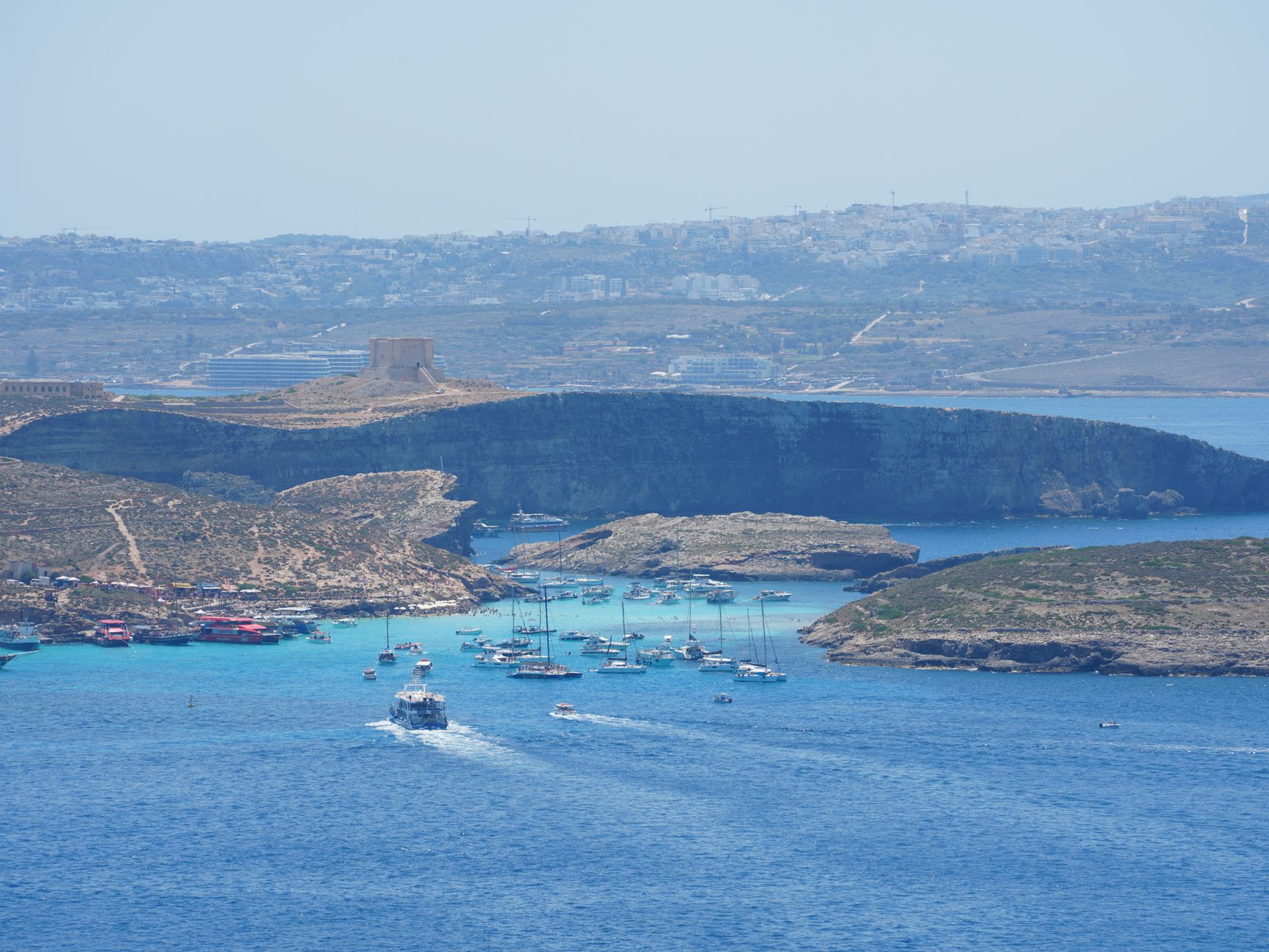
Gozo, the second island, is a short ferry ride away and much greener and slower. It suits people who want walking, swimming, and rural quiet, with fewer crowds and a stronger sense of village life. Comino, the third island, is largely uninhabited and known for its clear water; expect it to be very crowded in peak season.
Getting around Malta is easiest with your own wheels, so it is worth hiring a car for a few days — and you will find somewhere to stay to suit most budgets.
When to go
Spring and autumn are the best times. From roughly April to early June, and again in September and October, the weather is warm, the sea is swimmable, and the light is soft. Spring brings green hills and wildflowers before the heat dries everything out.
Summer is intense: hot, bright, and busy, with the coastal towns crowded and the interior parched. If you go then, plan around the middle of the day. Winter is mild but can be grey, windy, and wet, with rough seas and shorter days. Many things stay open, and it's a fine time for sightseeing, but not for the beach.
What first-timers get wrong
People underestimate distances in time rather than kilometres: the roads are narrow and traffic is heavy, so short journeys can take a while. Driving is on the left, and the driving style is assertive. Buses reach most places but can be slow and crowded in season.
Many visitors also base themselves in the busy Sliema–St Julian's strip and never see the quieter side of the islands. It's worth staying at least one night in Valletta, Gozo, or an inland town. And it's easy to run out of swimming spots you expected: much of the coast is rocky rather than sandy, so look up specific bays rather than assuming a beach nearby.
Food worth seeking out
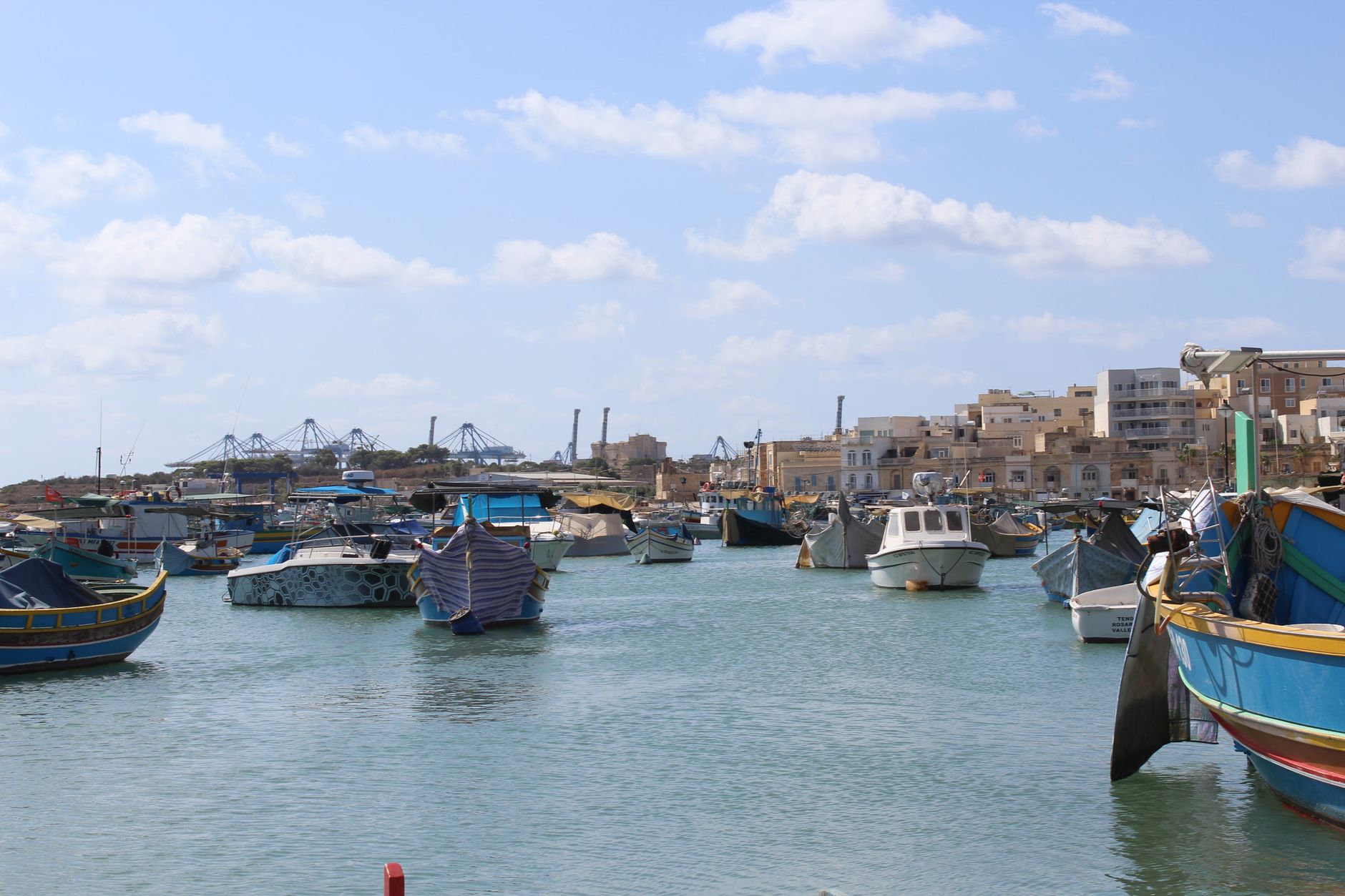
Maltese cooking is rustic and filling. Look for rabbit, usually stewed slowly in wine and garlic, which is close to a national dish. Ftira, a flat sourdough-style bread, is filled with tuna, olives, capers, and tomato paste for a proper local sandwich. Pastizzi, flaky pastries stuffed with ricotta or mushy peas, are everywhere and cheap. Fresh fish is reliable in coastal villages like Marsaxlokk. For something sweet, try imqaret, date-filled fried pastries often sold from street stalls.
