

 Necip Duman / Pexels
Macedonia: what to see and when to go
· Captain Cheap
North Macedonia is a small, landlocked country in the southern Balkans, and it tends to surprise people who arrive expecting a rougher version of Greece or a poorer cousin of Croatia. It is neither. It's a place of high mountains, a genuinely vast old lake, Ottoman-era bazaars and Byzantine churches, and a capital that reinvented its own centre in a way locals themselves find baffling. It rewards travellers who like their landscapes empty and their history layered rather than curated.
What it's actually like
The first thing to understand is that this is mountain country. Roughly two-thirds of the terrain is upland, and even short drives climb through pine forest and open pasture. The pace is slow, café culture is central to daily life, and cities empty out into long, unhurried evenings. English is widely spoken by younger people in cities and tourist areas, less so in villages, where a few words of the local language or Albanian go a long way.
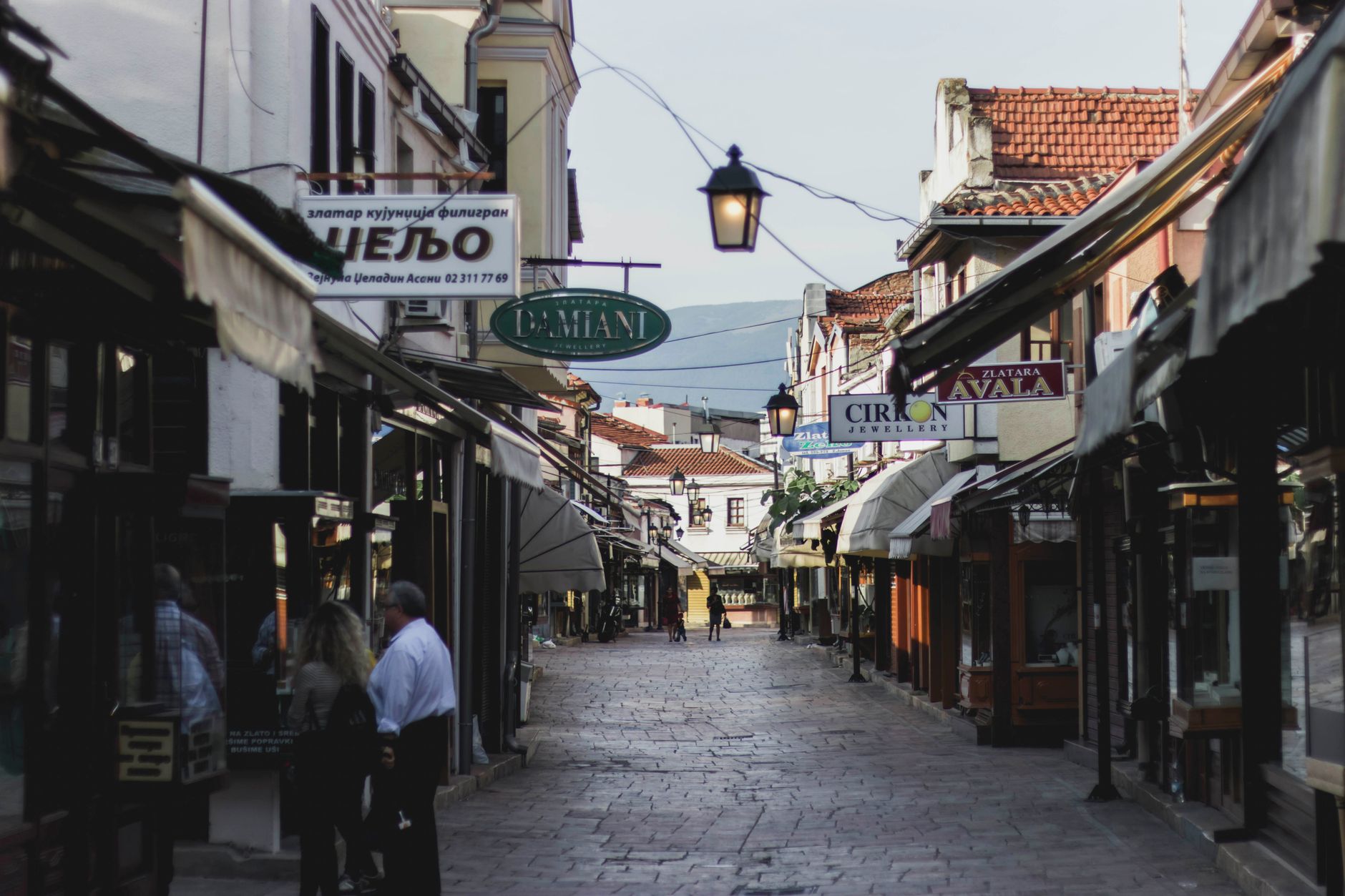
North Macedonia is bilingual and multi-ethnic in a way that shapes the texture of travel. Macedonian, a South Slavic language written in Cyrillic, is dominant, but there's a large Albanian-speaking population, especially in the west, and towns like Tetovo feel noticeably different from those in the east. Orthodox churches and mosques often stand within sight of each other. Prices are low by Western European standards, and tourism infrastructure is real but modest, which is part of the appeal.
Where to go
Skopje, the capital, is the usual entry point and the most divisive place in the country. A state-led building programme filled its centre with outsized neoclassical statues and facades, which sit oddly against the genuinely old Ottoman bazaar, the Čaršija, across the river. The bazaar, the fortress and the Byzantine churches nearby are the parts worth your time. Skopje suits a day or two, not a week.
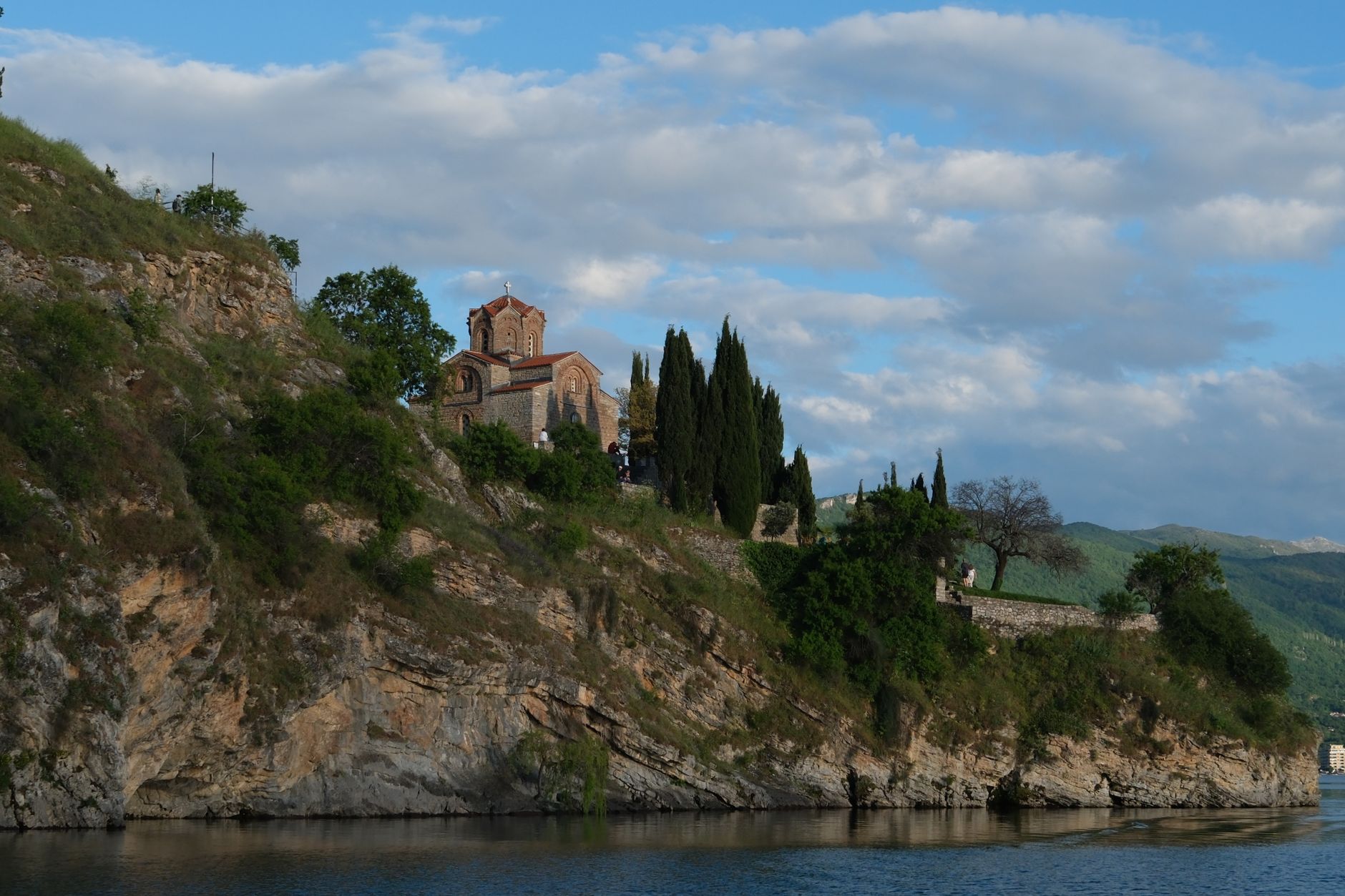
Ohrid is the reason many people come. It sits on the shore of Lake Ohrid, one of the oldest and deepest lakes in Europe, its old town climbing in tiers of timber houses toward a hilltop fortress. The lakeside church of Sveti Jovan at Kaneo, on its little promontory, is the image you'll have seen. Ohrid suits anyone who wants beauty, swimming and history in one walkable place, though summer brings crowds.
Bitola, further south, is more elegant and less touristed, with a long pedestrian street of pastel buildings from its days as a consular city. Nearby are the Roman ruins of Heraclea. For mountains and hiking, head to Mavrovo National Park in the west or the Šar range along the Kosovo border. The east, around Kratovo and the wine region near Kavadarci, sees far fewer foreign visitors and rewards the curious.
Getting around Macedonia is easiest with your own wheels, so it is worth hiring a car for a few days — and you will find somewhere to stay to suit most budgets.
When to go
Late spring and early autumn are the most comfortable seasons. May and June bring green hills, wildflowers and mild days; September and October offer warm water in Lake Ohrid, the wine harvest and clear light. Summer is hot, sometimes intensely so in the low-lying interior, and Ohrid gets busy. Winter is cold, with real snow in the mountains and ski areas at Mavrovo, though many lakeside places wind down.

What first-timers get wrong
People underestimate distances because the country is small on the map; mountain roads make journeys longer than they look. Public transport between towns exists but can be sparse, so a hired car opens up far more, particularly the national parks. Don't expect card payments everywhere once you leave the cities; carry cash. And don't confuse the country with the Greek region of the same name or with ancient Macedonia of Alexander the Great, a sensitive subject locally with a long political history behind the name.

Food worth seeking out
Eating here is generous and grilled. Look for ajvar, a red pepper relish that appears on almost every table, and tavče gravče, baked beans slow-cooked in an earthenware dish. Grilled meats, fresh sheep's cheese and thick yoghurt are staples, and the bread is good. Ohrid trout is a local point of pride, though wild stocks are protected, so ask what's farmed. The country makes serious wine, especially reds from the Tikveš region, and rakija, the strong fruit brandy, is offered as hospitality more than as a drink to be measured.