

 Satoshi Hirayama / Pexels
Japan: what to see and when to go
· Captain Cheap
Japan rewards the traveller who arrives with fewer fixed ideas than they think. It is not a single experience of neon and temples, but a long, narrow country stretched across many climates and moods, where a bullet train can carry you from a dense city to quiet rice terraces in under an hour. It is also easier to navigate than most first-timers fear, and stranger in the small details than the postcards suggest.
What it's actually like
The cliché is that Japan is futuristic. In practice, much of it feels reassuringly analogue. Cash still matters in smaller shops and restaurants, fax machines survive in offices, and plenty of guesthouses are run by hand from a paper ledger. The efficiency people expect is real, but it lives alongside a deep formality and a strong preference for doing things the established way.
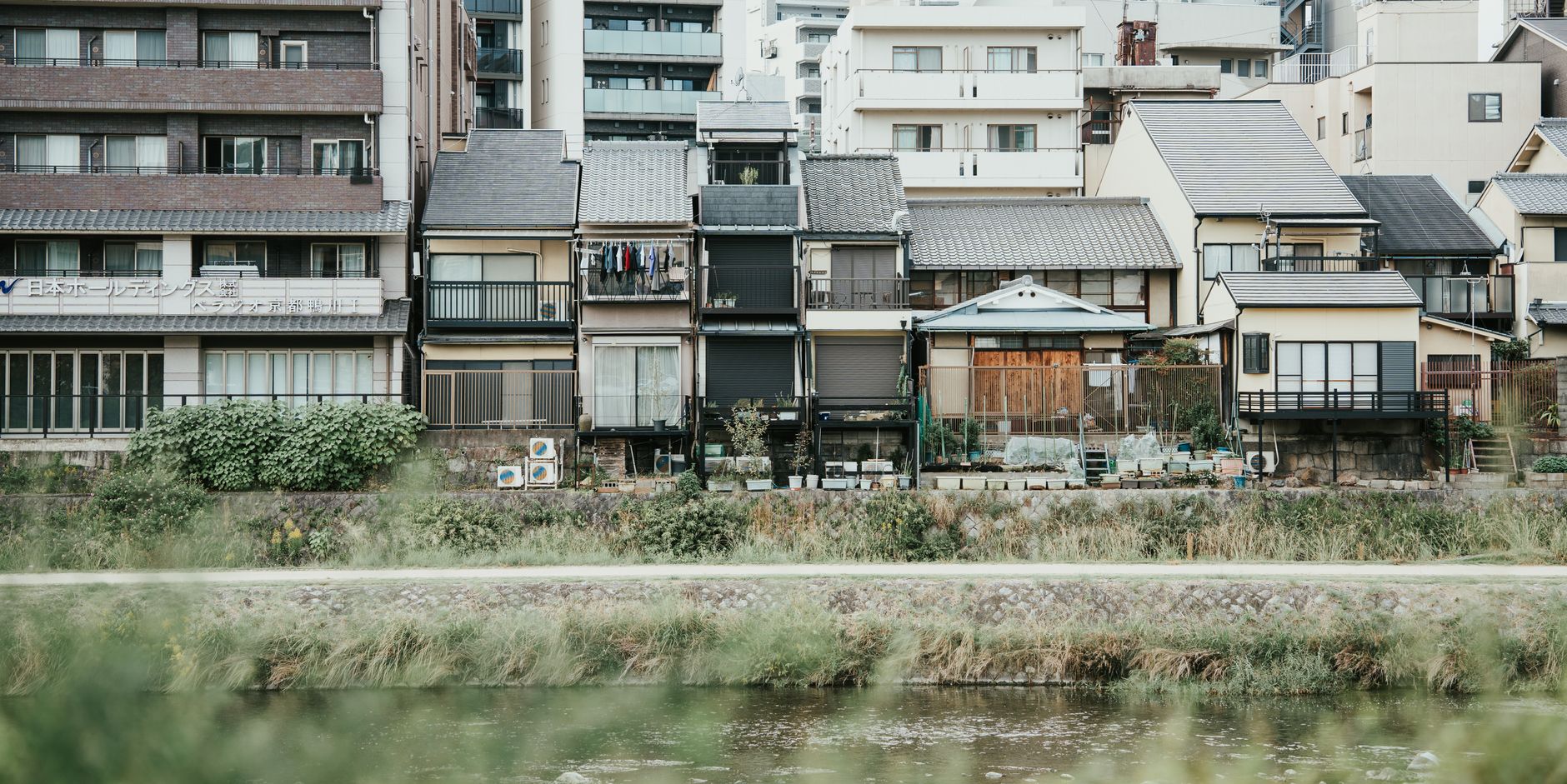
Cities are cleaner and quieter than their size implies. People rarely eat while walking, phone calls on trains are frowned upon, and public bins are scarce, so you carry your rubbish until you find one. None of this is difficult once you notice it, but it catches visitors off guard. The countryside, meanwhile, can feel genuinely remote, with ageing villages and forested mountains that occupy far more of the map than the famous cities do.
Where to go
Tokyo suits people who like density, variety and the pleasure of getting slightly lost. It is less a single city than a cluster of distinct neighbourhoods, and a few days barely scratches it. Kyoto is the counterweight: temples, wooden townhouses and gardens, though the central sights draw heavy crowds and the calm is often found a street or two off the main routes.
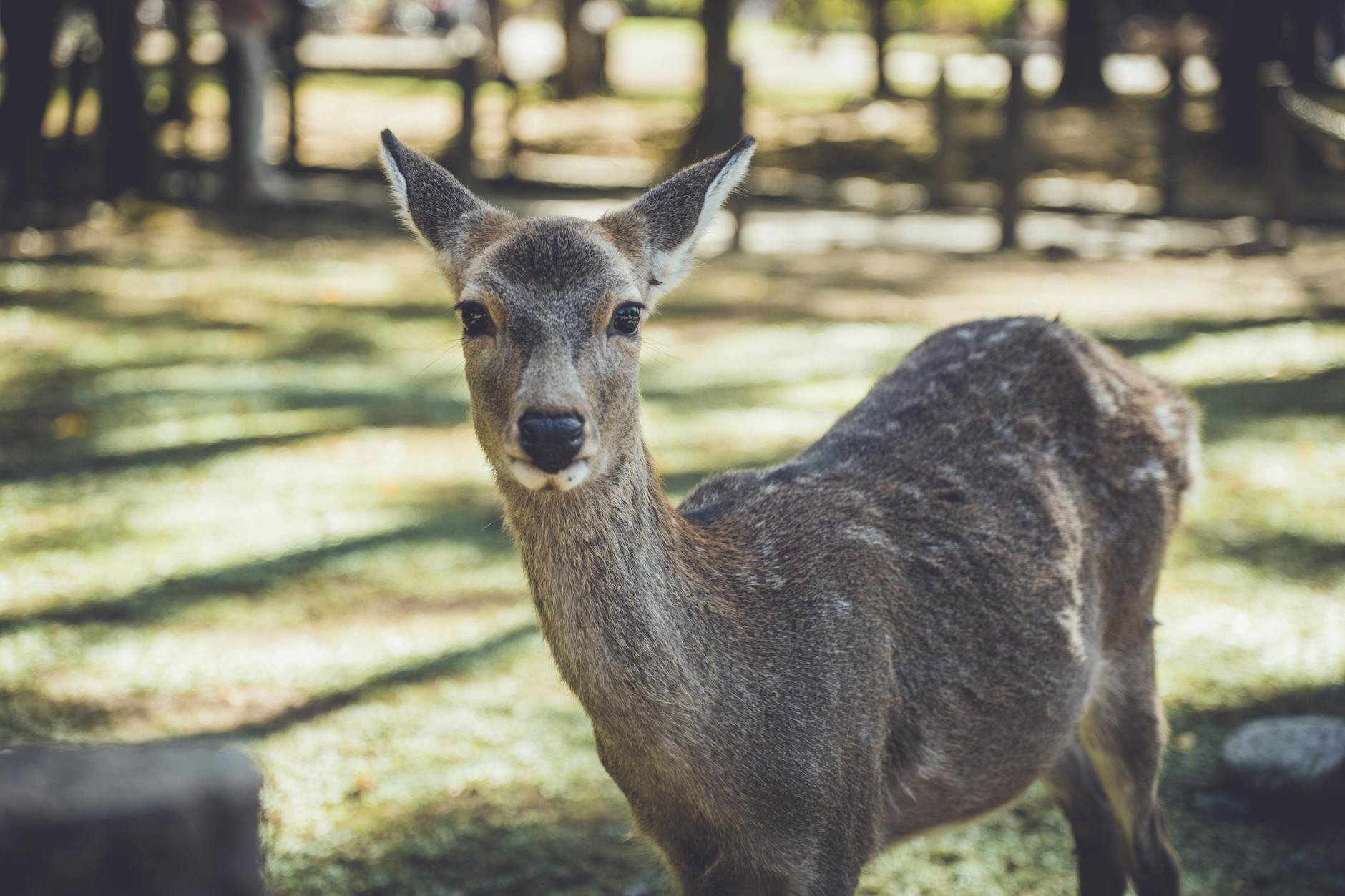
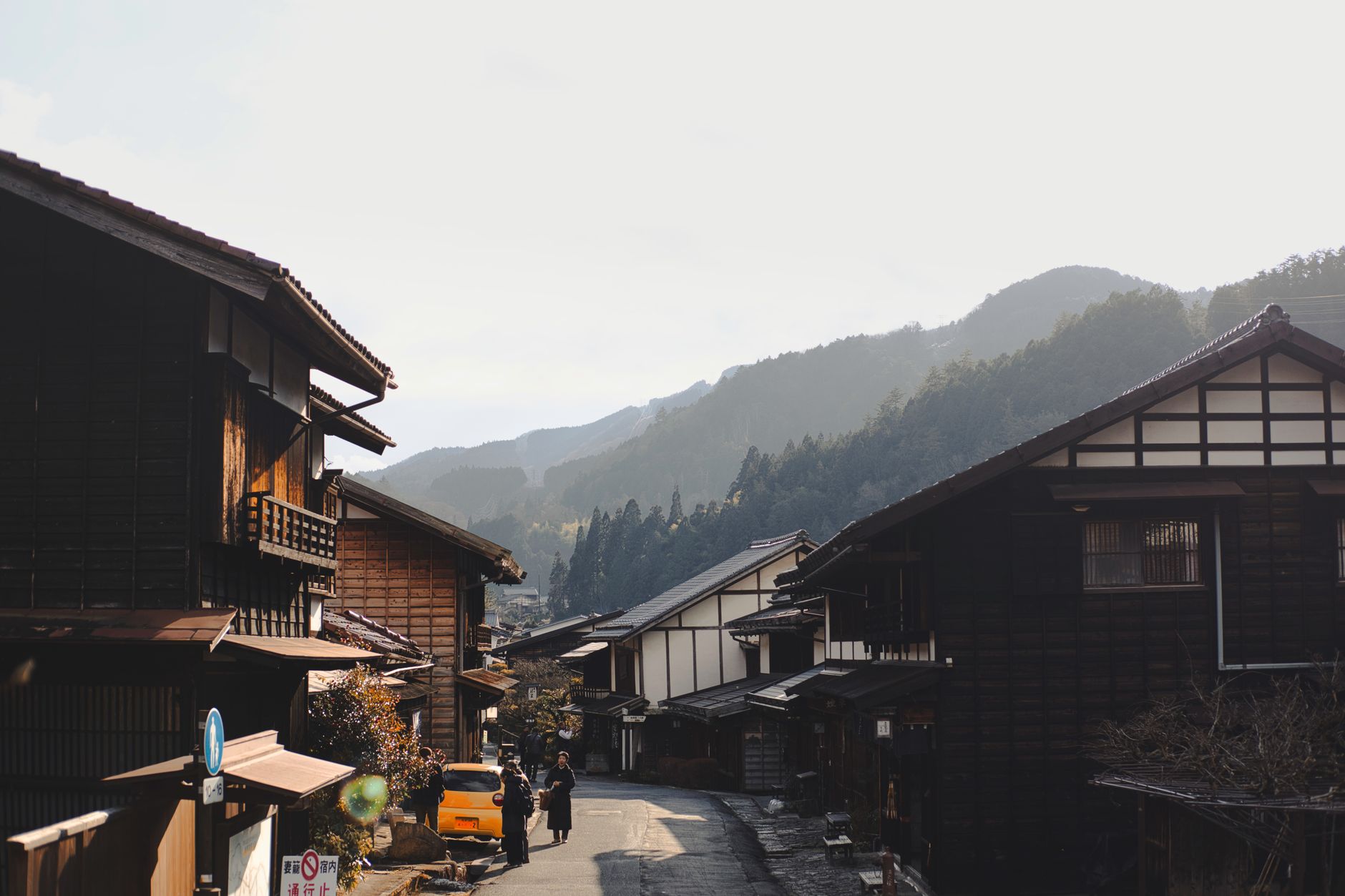
Osaka is looser and more spontaneous, built around eating and talking, and makes an easy base for Nara and its deer parks. For mountains and traditional inns, the Japanese Alps around Takayama and the Kiso Valley reward slower travel. Hokkaido in the north is for open landscapes, snow and cooler summers; the southern island of Kyushu offers volcanoes and hot springs with fewer foreign visitors. If you want something that feels apart from mainland Japan entirely, Okinawa has its own culture, cuisine and subtropical pace.
Getting around Japan is easiest with your own wheels, so it is worth hiring a car for a few days — and you will find somewhere to stay to suit most budgets.
When to go
Spring and autumn are the most comfortable and the most popular. Cherry blossom in spring is brief and hard to time precisely, so treat catching it as a bonus rather than a plan. Autumn brings clear days and turning leaves, arriving later the further south you go.
Summer is hot and genuinely humid across most of the country, with a rainy spell early on and a typhoon season later; the mountains and the north stay more bearable. Winter is cold in the north and mild in the south, and it is the season for snow in Hokkaido and for soaking in outdoor hot springs while it snows around you. There is no single wrong time, only trade-offs between weather and crowds.
What first-timers get wrong
Many people try to see too much, treating the fast trains as a licence to change city every night. You spend the trip in transit. Pick fewer bases and take day trips instead. Others underestimate how tiring the language barrier can be off the tourist trail, though a translation app and a little patience go a long way, and people are generally very willing to help.

Book popular restaurants and traditional inns ahead where you can, and carry some cash. Don't tip; it isn't expected and can cause confusion.
Food worth seeking out
Look past sushi, which is everywhere and often excellent, toward the regional specialities. Osaka's street food, okonomiyaki and takoyaki among them, is worth the trip alone. Seek out a proper ramen shop rather than a chain, and note that the style changes by region, from rich Hakata broth to the miso ramen of the north.
Try a multi-course kaiseki meal at least once for its precision and seasonality. Cheap standing noodle bars, department-store food halls and convenience stores all serve food far better than their equivalents elsewhere, and are a good way to eat well without ceremony.