

 Duc Tinh Ngo / Pexels
Israel: what to see and when to go
· Captain Cheap
Israel is small enough to cross by car in a day, yet it packs in a density of history, landscape and cultural friction that few countries its size can match. People arrive expecting either a religious pilgrimage or a conflict zone, and find instead a place that is loud, secular in parts, deeply devout in others, and far more Mediterranean in its rhythms than they anticipated. It rewards travellers who come without a fixed idea of what the country is supposed to be.
What it's actually like
The first surprise is how modern and unceremonious daily life feels. Tel Aviv is a beach city of cafés, cyclists and late nights, while an hour away Jerusalem operates on an entirely different frequency, slower, weightier, and shaped by faith at every turn. The country holds these contrasts without resolving them, and that tension is part of the experience.
Distances are short but the shifts are sharp. You can move from a coastal promenade to desert cliffs to a contested holy site in a matter of hours. Security is visible and part of ordinary routine, and most visitors adjust to it quickly. Hebrew and Arabic are the everyday languages, but English is widely spoken, and you will rarely feel stranded for want of it.
Where to go
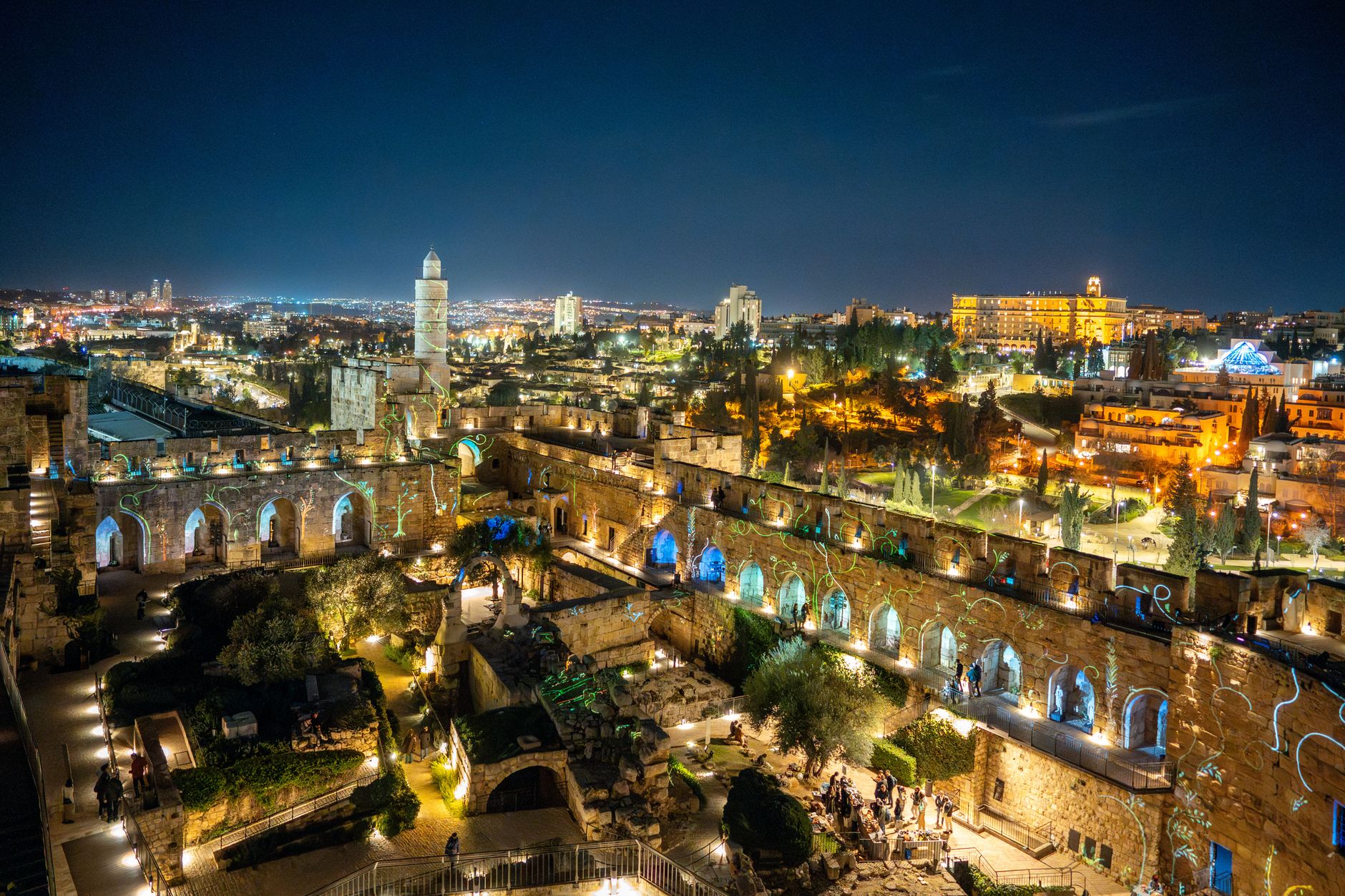
Jerusalem is the reason many people come. The walled Old City packs Jewish, Christian and Muslim sites into a few dense square kilometres, and walking its stone alleys is unlike anywhere else. It suits travellers drawn to history and religion, and those willing to accept that it can feel intense and emotionally charged.

Tel Aviv is the counterweight: relaxed, hedonistic, design-conscious, built for people who want beaches, food and nightlife rather than pilgrimage. Its Bauhaus architecture and long seafront make it easy to spend days doing very little.
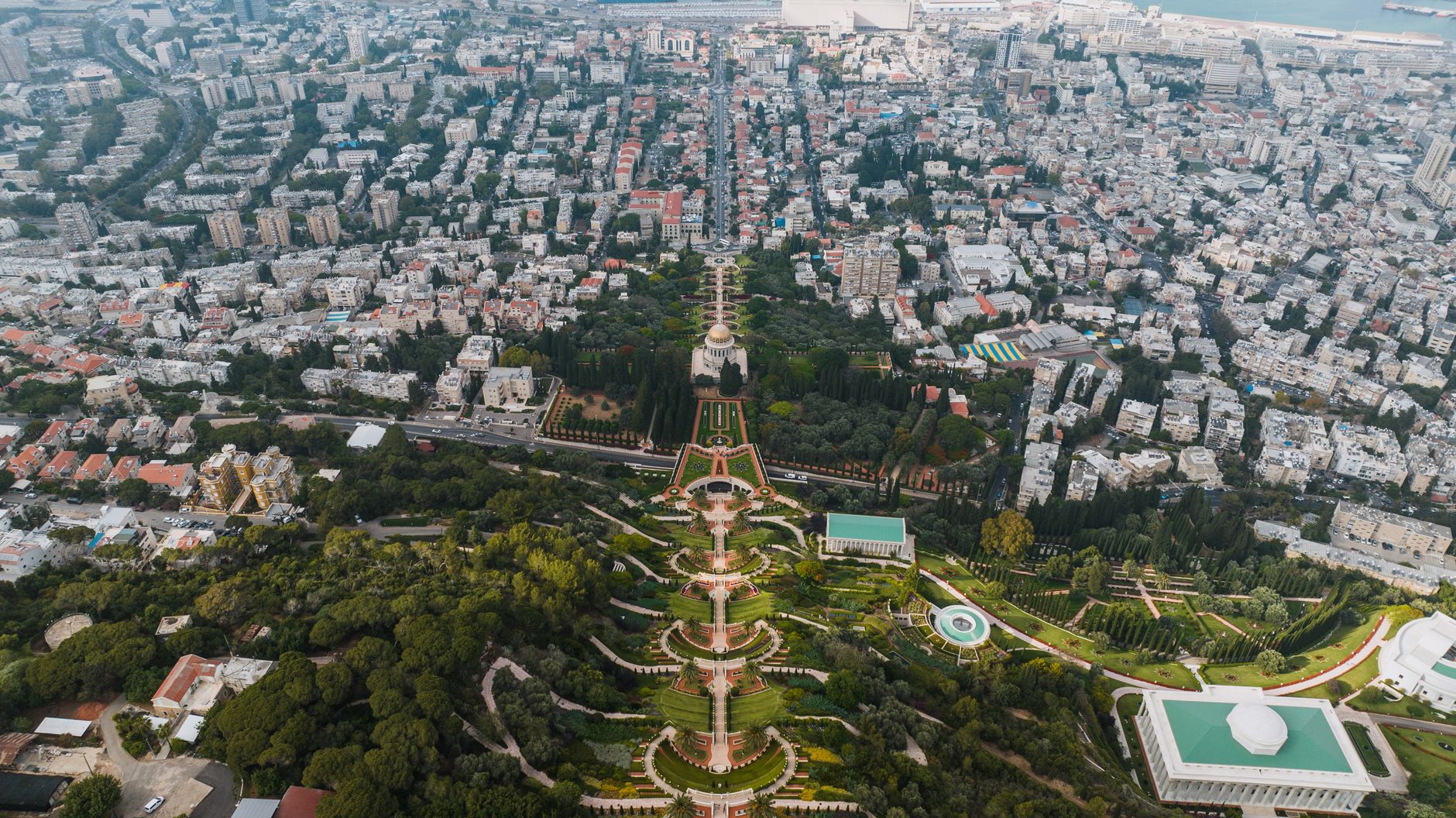
The north around the Galilee and Golan is green, hilly and agricultural, good for hiking, wine and a gentler pace. Haifa offers the terraced Bahá'í Gardens and a more mixed, workaday coastal feel.
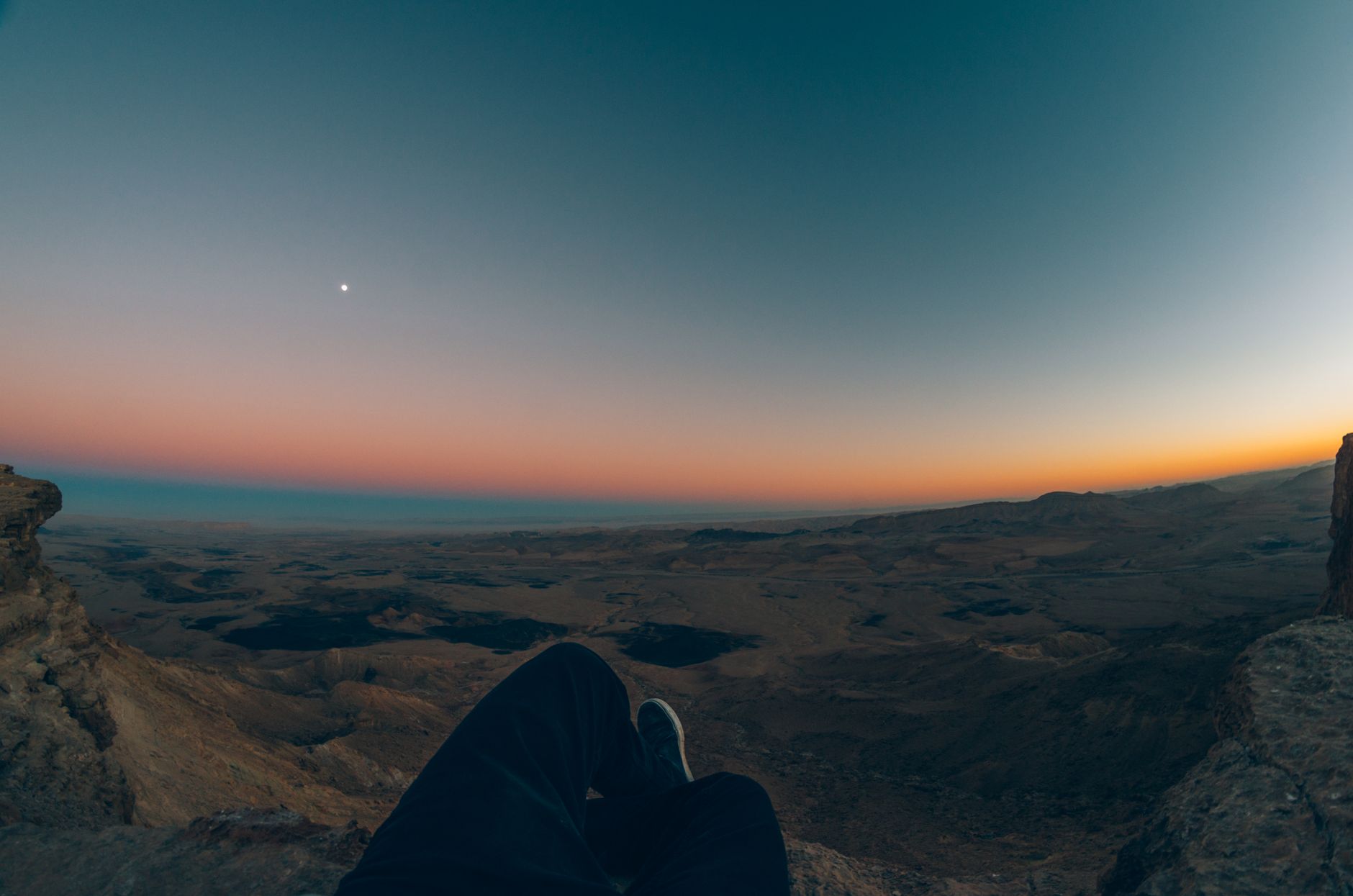
The south is desert. The Negev opens into vast, empty landscapes and the crater at Mitzpe Ramon, while the Dead Sea sits at the lowest point on land, its dense water and mineral shores unlike any ordinary swim. Eilat, at the country's southern tip, is a resort town on the Red Sea with warm water and diving.
Getting around Israel is easiest with your own wheels, so it is worth hiring a car for a few days — and you will find somewhere to stay to suit most budgets.
When to go
Spring and autumn are the most comfortable seasons, with mild temperatures across most of the country and manageable heat even in the desert. Summer is hot and humid on the coast and genuinely punishing in the south, though the beaches stay busy regardless. Winter is cool and can be wet, especially in Jerusalem and the north, where it occasionally snows, while the Dead Sea and Eilat remain warm enough to enjoy. Bear in mind that the country largely shuts down for Shabbat, from Friday afternoon to Saturday evening, when public transport and many businesses stop.
What first-timers get wrong
Many people underestimate the desert heat and overpack their days, trying to combine Jerusalem, Tel Aviv and the south in too short a window. Give each place room. Others are caught off guard by Shabbat, arriving somewhere on a Friday afternoon to find shops closed and no easy way to travel. Plan around it rather than fighting it. Dress matters too: modest clothing is expected at religious sites of all faiths, and covering shoulders and knees will save you awkwardness.
Food worth seeking out
The food alone justifies the trip. Hummus is a serious matter, eaten warm and fresh at dedicated hummus joints rather than as a side dish. Look for shakshuka at breakfast, falafel from street stands, and sabich, the fried-aubergine-and-egg pita that is a Tel Aviv staple. Markets like Jerusalem's Mahane Yehuda and Tel Aviv's Carmel are the best places to graze, taste and understand how much the cuisine borrows from across the Middle East, North Africa and the Mediterranean. Fresh produce, olive oil, tahini and citrus run through everything.