

 Akaaljotsingh Anandpuria / Pexels
India: what to see and when to go
· Captain Cheap
India is not one destination but many, stitched together loosely enough that the country you experience depends entirely on where you land and what you're willing to accept. It rewards patience and a loose itinerary, and it frustrates anyone expecting things to run to a fixed clock. Most first-time visitors arrive braced for chaos and leave surprised by how much warmth and order sit underneath it.
What it's actually like
The first thing to adjust is scale. India is roughly the size of the whole of Europe, with the climatic and cultural range to match. A trip that tries to cover the north, the deserts, the beaches and the far south in two weeks will mostly be a tour of train stations and airports. People tend to imagine either grinding poverty or glossy palaces, and both exist, but the everyday texture is more ordinary than either: families out for evening walks, tea stalls, students, office workers, weddings spilling into the street.

The sensory intensity is real. Cities are loud, crowded and layered, and the traffic follows its own logic. But this coexists with genuine ease once you stop fighting it. Strangers help without being asked. The idea that you must be permanently on guard is overstated; ordinary caution is enough.
Where to go
The classic first trip is the north: Delhi, Agra and Jaipur, often called the Golden Triangle. It packs in Mughal architecture, the Taj Mahal and the pink-walled old city of Jaipur, and it suits anyone who wants the headline sights in a manageable loop. Delhi rewards those who dig past the surface into its Mughal-era lanes and quieter tombs.
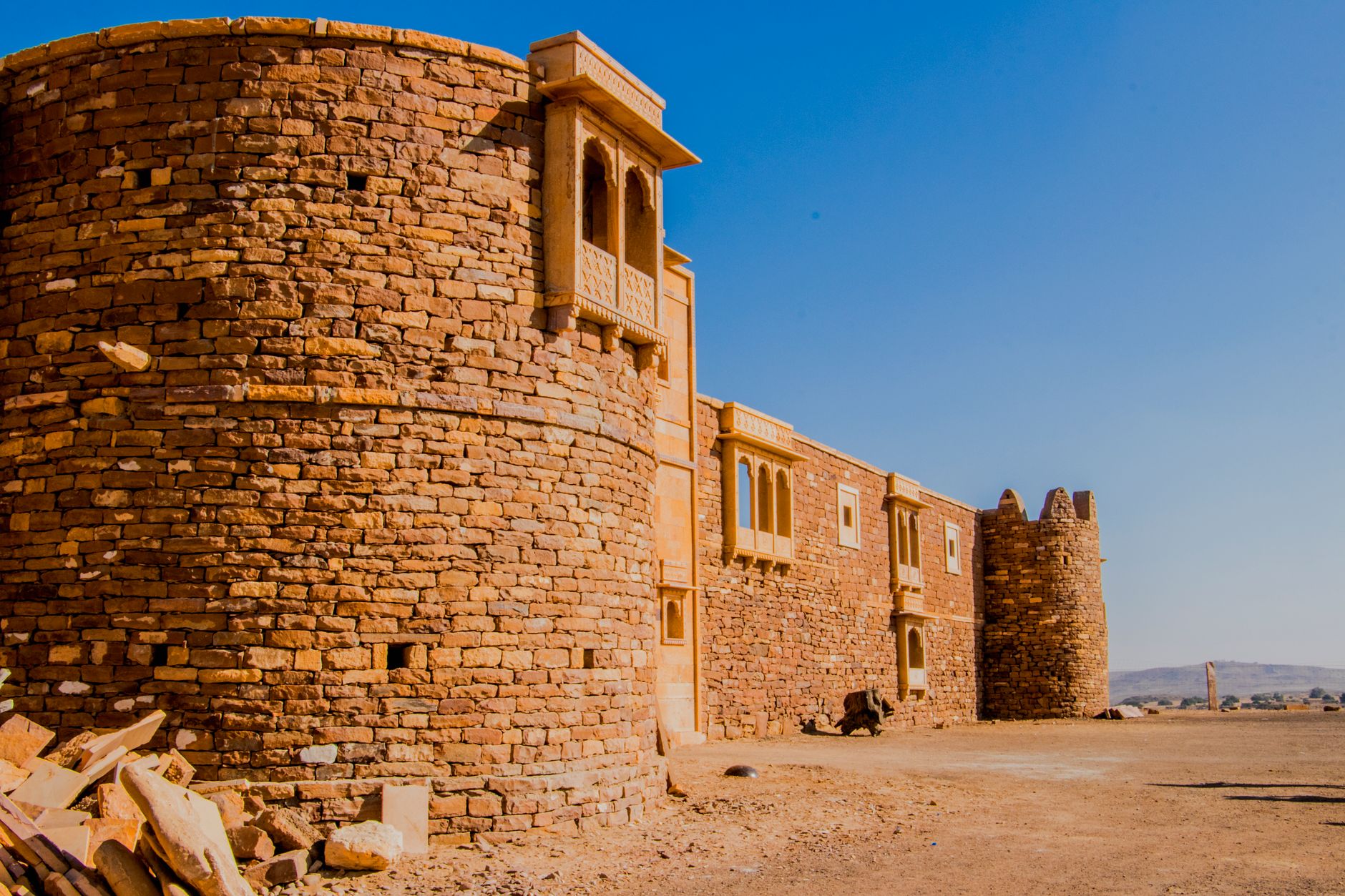
Rajasthan more broadly is the India of forts, desert and palace hotels. Udaipur, Jodhpur and Jaisalmer each have a distinct character, and the state suits travellers who want romance and colour.
The south is a different country in feel: greener, calmer, with its own languages, cuisines and temple architecture. Kerala, with its backwaters, tea hills and coastline, suits people who want to slow down. Tamil Nadu is for temple towns and older, deeper Hindu tradition.
For mountains, the Himalayan north—Himachal, Ladakh, the hill areas of Uttarakhand—offers cool air, trekking and Buddhist monasteries, and appeals to anyone who finds the plains overwhelming. Goa remains the beach shorthand, more relaxed and Portuguese-flavoured than the rest.
Varanasi, on the Ganges, is intense and confronting and unlike anywhere else, worth it for travellers who want the spiritual heart rather than comfort.
Getting around India is easiest with your own wheels, so it is worth hiring a car for a few days — and you will find somewhere to stay to suit most budgets.
When to go
For most of the country, the cool, dry months from roughly late autumn to early spring are the comfortable window, especially in the north and Rajasthan, where daytime is pleasant and nights can be genuinely cold. The pre-monsoon months build to punishing heat across the plains. The monsoon then arrives in summer, bringing heavy, dramatic rain that transforms the landscape but disrupts travel; it can be beautiful in places like Kerala and miserable elsewhere. The Himalayan regions invert this—their accessible season is the warmer months, when the plains are at their worst.

What first-timers get wrong
The biggest mistake is trying to see too much. Distances on a map lie; overland travel is slow, and internal journeys eat days. Pick one region and go deep.

Second, be careful with food and water at the start. Drink bottled or filtered water, be cautious with raw salads and ice early on, and give your system time to adjust. Most illness is avoidable rather than inevitable.
Dress with more coverage than you might at home, particularly at religious sites, where shoes come off and shoulders and knees should be covered. And build slack into every plan—trains run late, and rigidity will only make you miserable.
Food worth seeking out
Forget the single idea of "curry." Each region cooks differently. In the north, look for tandoori breads, dal, and rich Mughlai dishes. The south leans on rice, coconut, tamarind and the dosa and idli of a proper breakfast. Coastal areas do excellent fish. Street food—chaat, samosas, freshly fried snacks—is often superb when it's busy and cooked in front of you. And the tea, milky and spiced, is a ritual worth adopting.


