

 Julia Volk / Pexels
Iceland: what to see and when to go
· Captain Cheap
Iceland is a small country that feels enormous. Fewer people live here than in many European cities, yet the landscape stretches out in a way that makes distances deceptive and driving times longer than a map suggests. It is a place of lava fields, glaciers, geothermal steam and long empty roads, and the thing most visitors underestimate is how much of it is genuinely remote and weather-governed. This is not a manicured destination; it is raw, and that is the point.
What it's actually like
People arrive expecting either a frozen wilderness or a nonstop parade of waterfalls and hot springs. The reality sits somewhere in between. Reykjavík is a low-rise, walkable capital with a real café and music culture, but it is modest in size, and you will exhaust its main streets in a day or two. Step outside the city and the population thins to almost nothing. The interior highlands are uninhabited, accessible only in the warmer months, and much of the country is shaped by the constant negotiation between people and volcanic, glacial forces.
The weather is the defining fact of a trip. It changes quickly, comes in sideways, and does not respect the season. Locals repeat the line that there is no bad weather, only bad clothing, and they mean it. Plans need slack built in.
Where to go
Most first-time visitors base themselves in and around Reykjavík and the southwest. From here the so-called Golden Circle links a geothermal area, a large waterfall and a rift valley where two tectonic plates pull apart, all doable in a day. It is popular for good reason and suits those short on time.

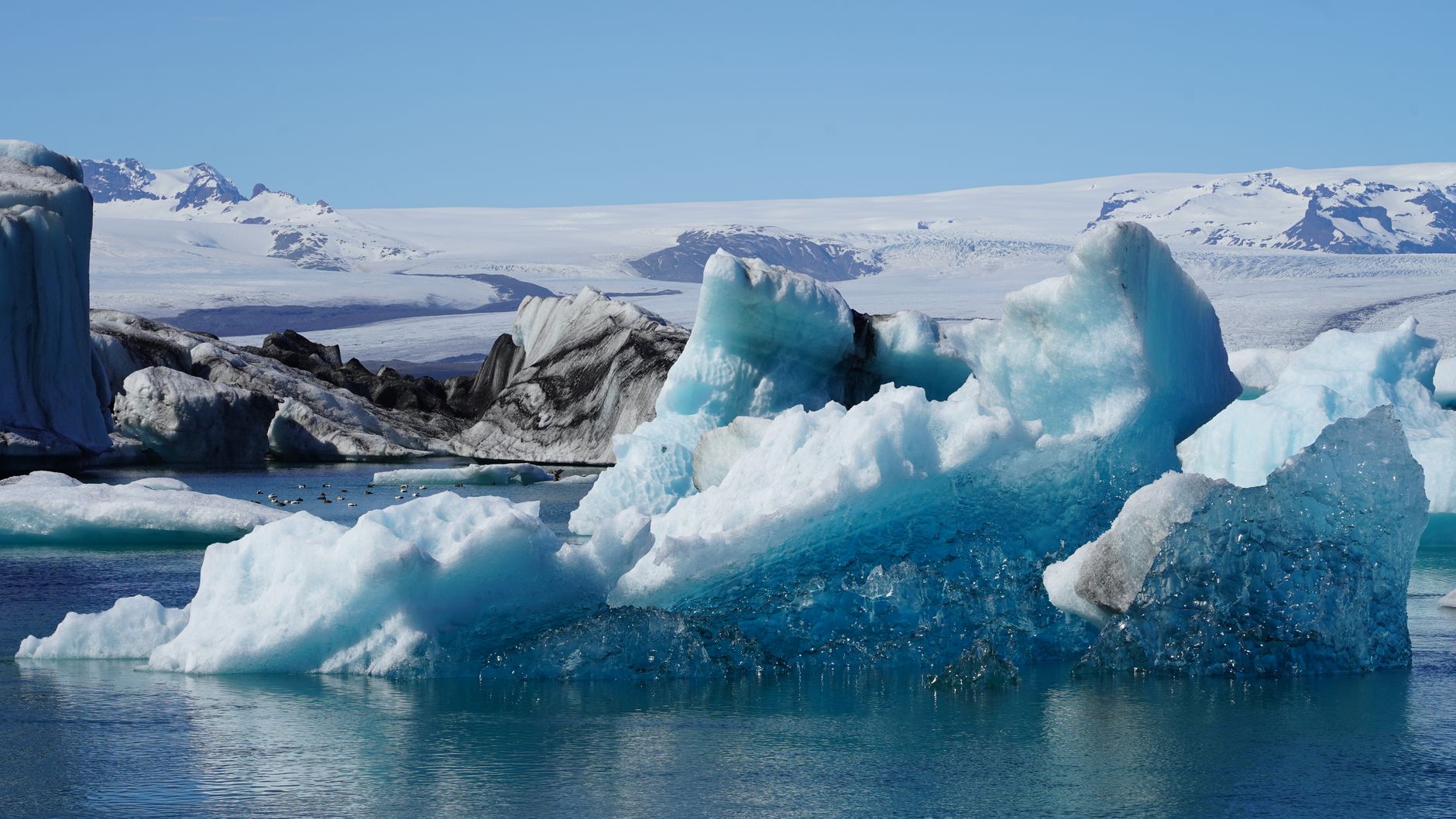
The south coast rewards a slower pace, with black-sand beaches, glacier tongues reaching down toward the road, and a glacial lagoon dotted with icebergs. This stretch suits anyone who wants dramatic scenery without leaving the paved main road.
The north, around Akureyri, feels quieter and more lived-in, with whale-watching, more geothermal areas and a different rhythm from the tourist-heavy south. The Westfjords are for people who want genuine isolation: remote, sparsely visited, with roads that demand patience. The full Ring Road circuit around the island suits those with a week or more and a willingness to drive.
Getting around Iceland is easiest with your own wheels, so it is worth hiring a car for a few days — and you will find somewhere to stay to suit most budgets.
When to go
Summer, roughly June to August, brings near-endless daylight, open highland routes and the mildest conditions, though mild here still means cool and windy. This is the most forgiving time and also the busiest.

Winter is dark, with only a few hours of low light, but it is when the northern lights become possible and the landscape takes on a stark quality. The aurora is never guaranteed; it depends on clear skies and solar activity, and many people leave without seeing it. Spring and autumn are unpredictable shoulder seasons with fewer crowds and a real chance of both fine days and sudden storms.
What first-timers get wrong
The most common mistake is trying to see the whole country in a few days. Distances are long and driving is slow, especially in wind or on gravel. Another is underestimating the cost of everything, from meals to fuel, and being caught off guard. People also ignore weather and road-condition warnings, venture onto highland roads in unsuitable vehicles, or walk out onto beaches where sudden waves are genuinely dangerous. Pack proper waterproof layers rather than relying on buying them on arrival.

Food worth seeking out
Icelandic food leans on lamb, dairy and seafood, and it is better than its reputation suggests. Skyr, a thick cultured dairy product, is everywhere and worth trying properly rather than as a supermarket afterthought. Look for fresh fish, particularly cod and Arctic char, and lamb that has grazed on open pasture. The humble hot dog, sold from stands, is a genuine local staple rather than a tourist gimmick. In coastal towns, seek out fish soup and freshly landed catch. Adventurous eaters can find fermented and cured traditional dishes, though nobody expects you to enjoy the more notorious ones.