

 K / Pexels
Hungary: what to see and when to go
· Captain Cheap
Hungary sits in the middle of Europe but feels distinct from everything around it, starting with the language, which belongs to no family that a Balkan visitor will recognise. It is flatter and more landlocked than people imagine, a country of plains, thermal water and one large lake rather than dramatic mountains. Most travellers arrive expecting Budapest and little else, then discover the capital is the loud opening act rather than the whole show.
What to expect once you arrive
Hungary is calmer and more orderly than its neighbours to the south, without being sterile. The pace in Budapest is unhurried; outside it, genuinely slow. Prices are gentler than in Western Europe, though the capital has caught up in tourist districts. What surprises most people is the thermal water culture: bathing in mineral-rich springs is an everyday habit here, not a spa-day novelty, and the grand bathhouses are used by locals of all ages year-round.
The other surprise is how proud and particular Hungarians are about their own things — their wine, their paprika, their language, their history. It rewards curiosity. A little effort with pronunciation goes a long way, since almost nothing about the language will be familiar.
Where to go
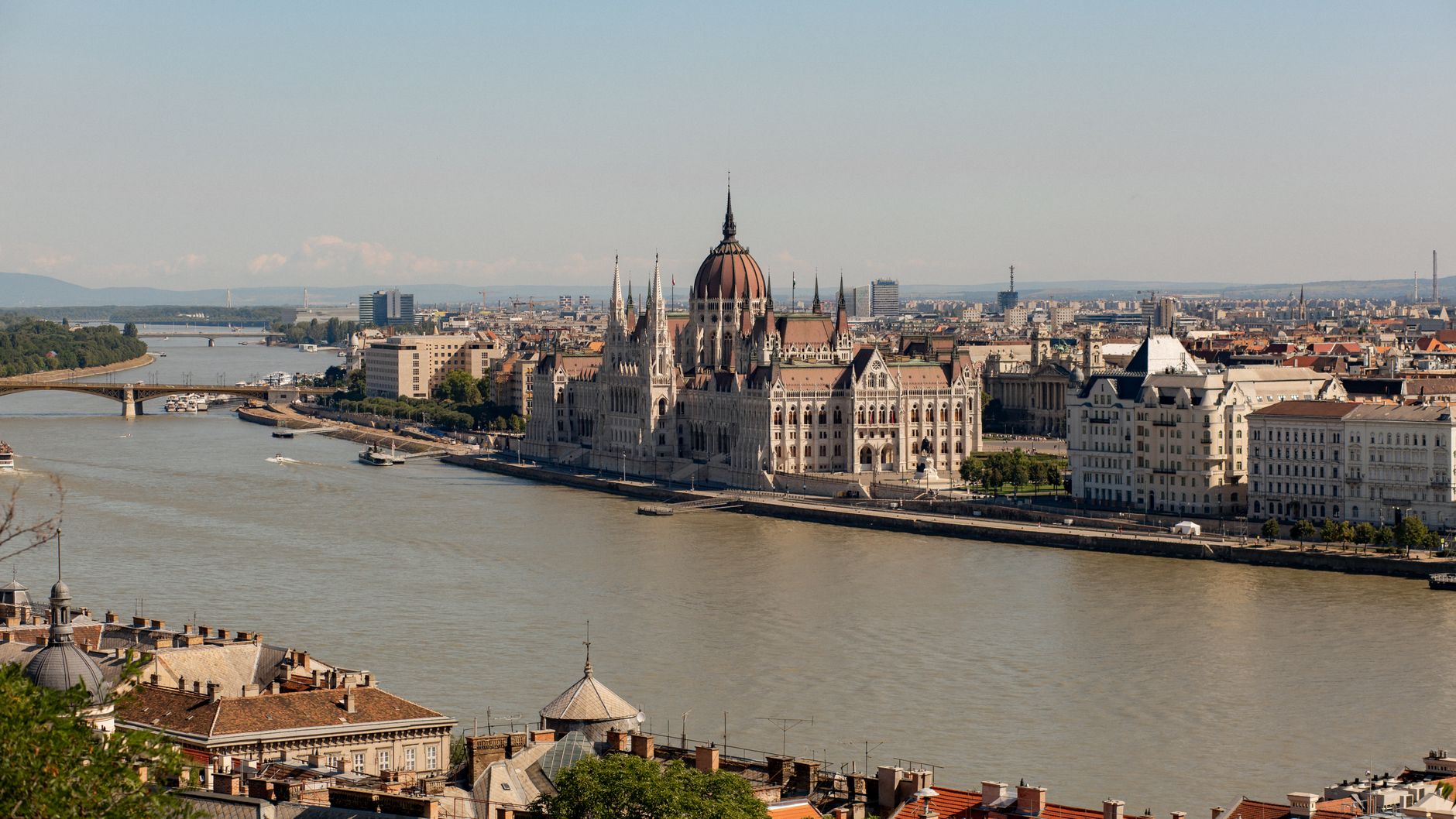
Budapest is the obvious start and deserves several days. The city splits across the Danube: hilly, residential Buda with its castle and quiet streets, and flat, dense Pest with the grand boulevards, café houses, ruin bars and most of the nightlife. It suits almost everyone, from people who want museums and architecture to those who want late nights.
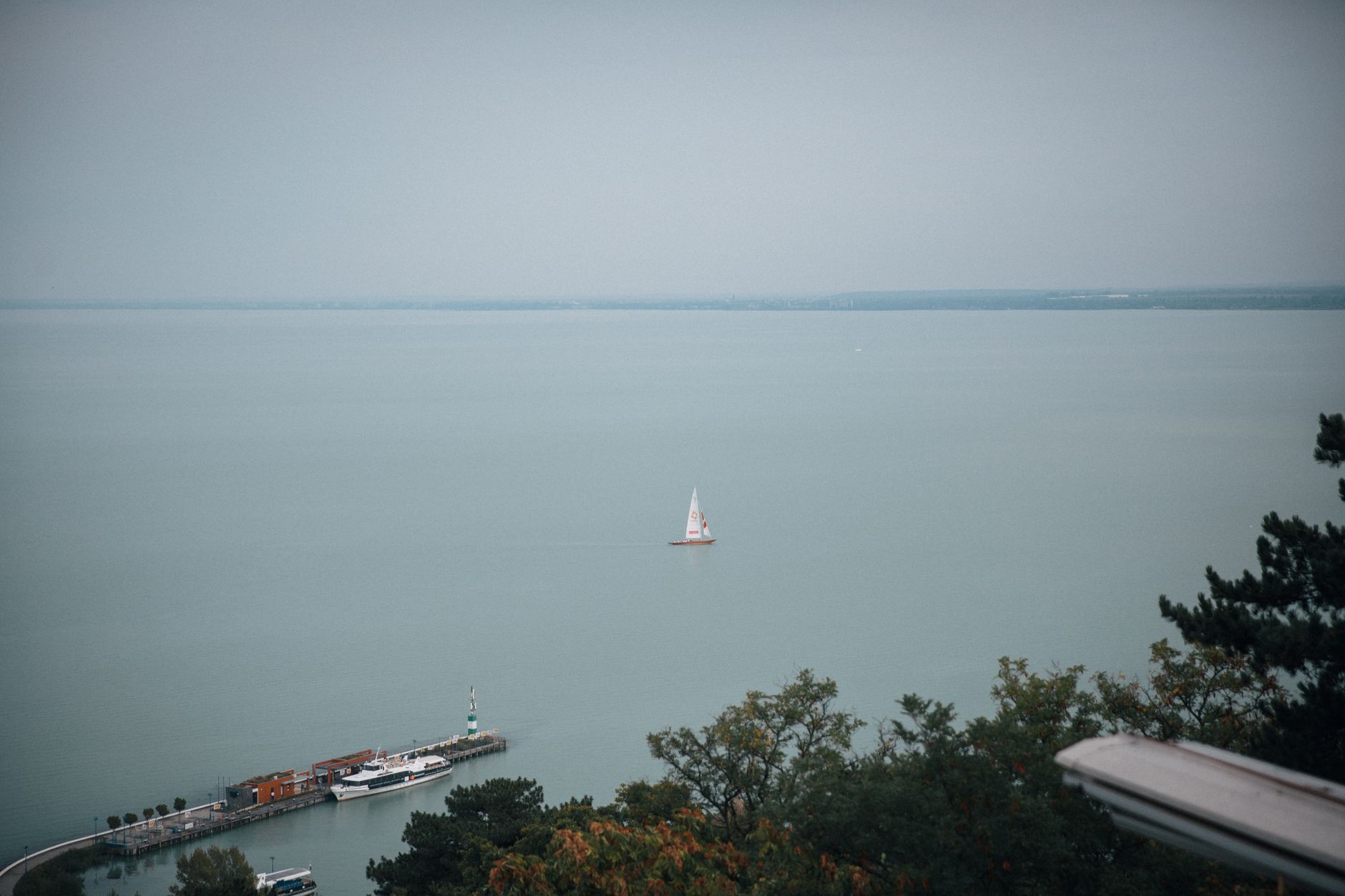
Lake Balaton is where the country goes in summer. The northern shore is the more interesting side, with wine villages, the Tihany peninsula and hills; the southern shore is flatter, shallower and more party-oriented. Good for families, swimmers and anyone wanting a slower week.
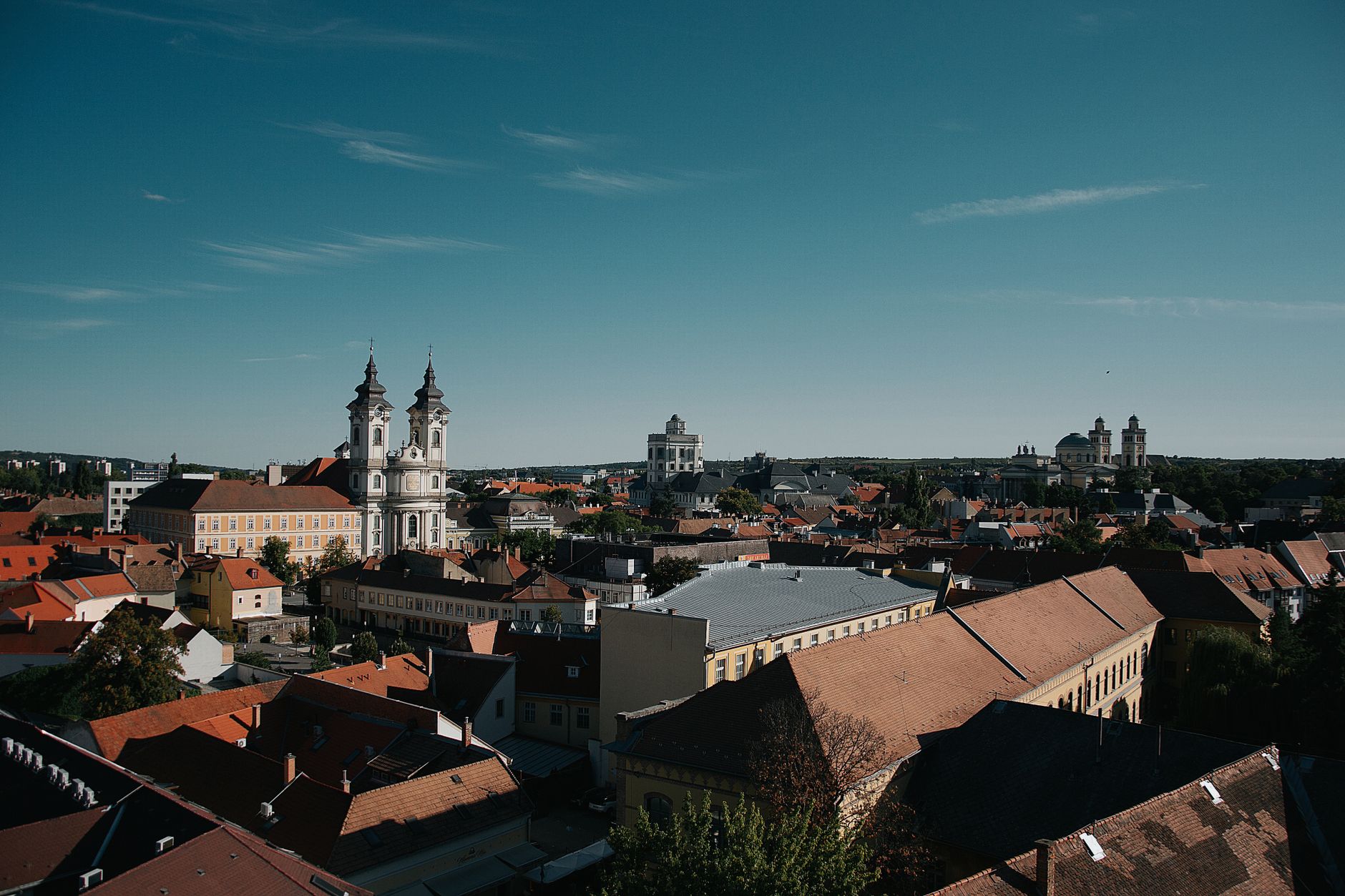
Eger and the surrounding wine country in the north suit people who like history and drinking without crowds. Eger is a handsome baroque town, and the nearby Valley of the Beautiful Women is a strip of cellars where you taste local reds, including the blend known as Bull's Blood.
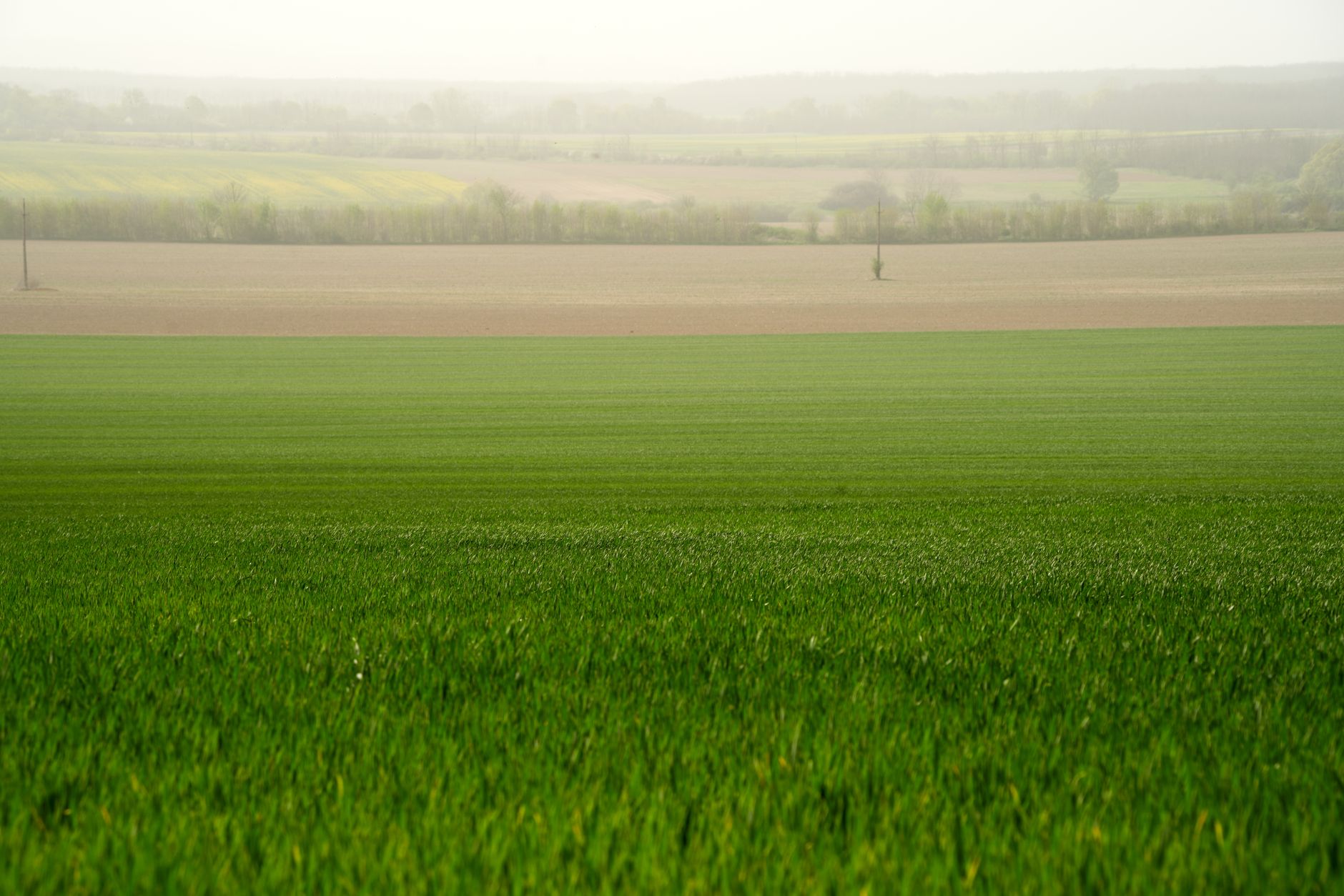
Pécs, in the south near the Croatian border, is warm, walkable and layered with Ottoman-era remains — a mosque converted to a church, among others. Szeged and the Great Plain (the Puszta) appeal to travellers who want horsemanship traditions, big skies and a rural Hungary that tourism has barely touched.
Getting around Hungary is easiest with your own wheels, so it is worth hiring a car for a few days — and you will find somewhere to stay to suit most budgets.
When to go
Late spring and early autumn are the most comfortable. May and June bring long light days and green countryside before the heat; September and early October offer warm afternoons, cooler nights and the grape harvest.
Summer is genuinely hot on the plains and around Balaton, and Budapest can feel heavy and airless in July and August. This is also when the lake and the capital's main sights are busiest. Winter is cold and often grey, but it is when the thermal baths make the most sense — sitting in steaming outdoor pools while the air is freezing is one of the country's real pleasures. The Christmas markets in Budapest are worth the season's chill.
What first-timers get wrong
Many people spend their whole trip in Budapest and never leave, which gives a skewed sense of the country. Give yourself at least a couple of nights elsewhere.
Carry some cash; smaller towns, markets and cellars do not always take cards. Remember Hungary uses the forint, not the euro, and paying in euros where accepted usually means a poor rate. In the baths, bring or rent proper swimwear and flip-flops, and check whether a swim cap is expected. Finally, do not assume everything is cheap — tourist-facing bars and restaurants in central Budapest price accordingly.
What to eat
Hungarian food is hearty and paprika-driven. Look for real gulyás, which is a soup rather than the thick stew foreigners expect, and pörkölt, the closer thing to a stew. Try lángos, deep-fried dough topped with sour cream and cheese, from a market stall. Chicken paprikash, stuffed cabbage and freshwater fish soup from the Balaton and Tisza regions are all worth ordering. Finish with somlói galuska, a rum-soaked sponge dessert, and drink the local wines rather than defaulting to beer.