

 King Ho / Pexels
Hong Kong: what to see and when to go
· Captain Cheap
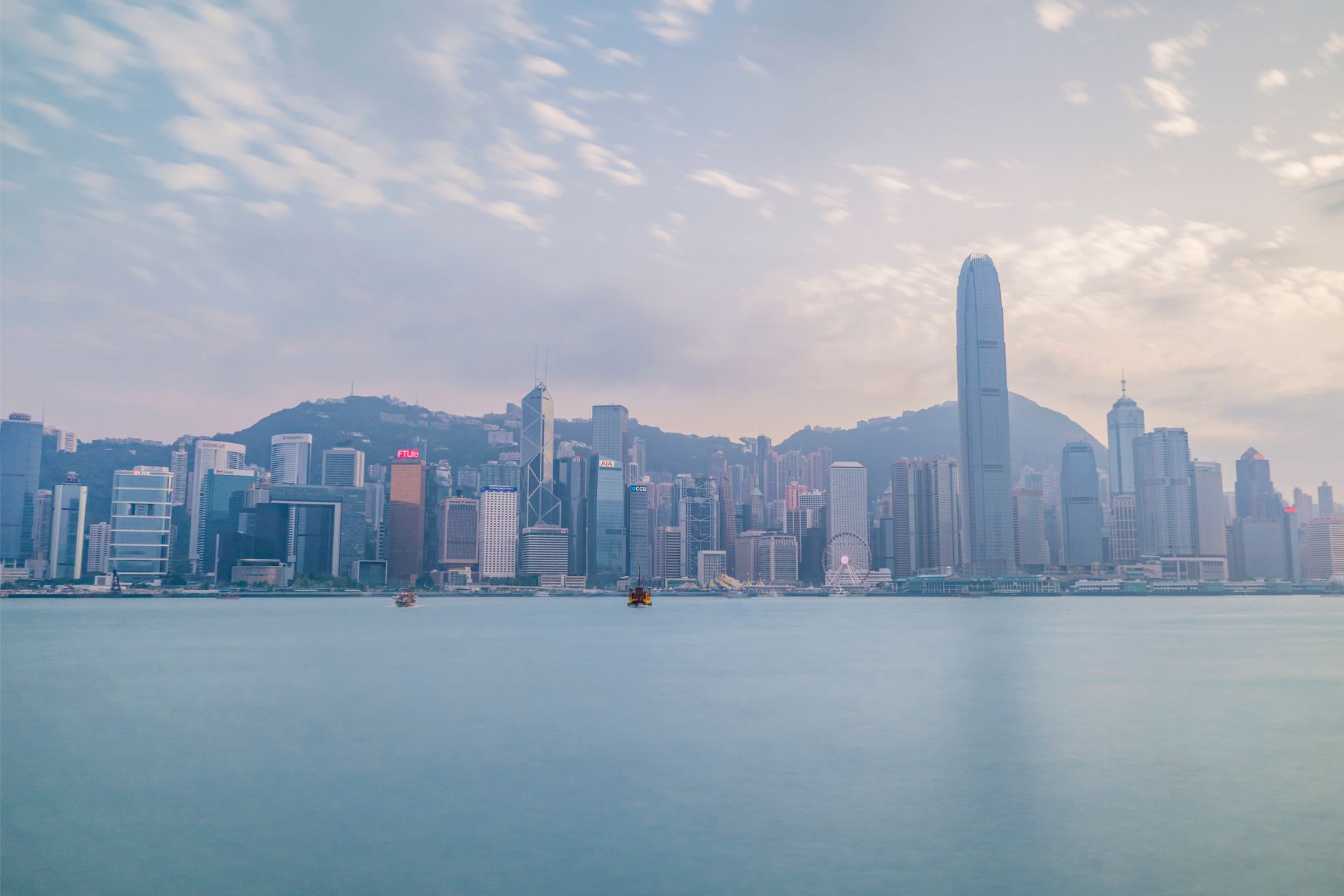
Hong Kong is a city, a territory, and a state of mind more than a country, but it functions like a self-contained world for a visitor. It is dense, vertical, humid, and far greener than most people imagine. The skyline everyone recognises sits on a narrow strip of flat land; behind it, steep hills covered in subtropical forest rise almost immediately, and a short ride takes you to fishing villages and empty beaches. It rewards people who like walking, eating, and moving between extremes in the space of an afternoon.
What it's actually like
The cliché is wall-to-wall concrete and shopping malls. That exists, but most of the land here is country park, and much of the population lives crammed onto a small percentage of it. This is why the city feels so intense: everything is stacked. You can climb from a street of dried-seafood shops to a hillside trail with harbour views in twenty minutes.
It is also a place of layers rather than a single identity. British colonial history left tram lines, double-decker buses, English signage and a legal culture; the deeper reality is Cantonese, in language, food, temples and rhythm. Efficiency runs through everything. Public transport is clean and reliable, and a stored-value transit card works on trains, buses, ferries and in many shops.
Where to go
Hong Kong Island is the postcard version: Central's banking towers, the mid-level escalators, the old bar-and-restaurant streets of Soho and Sheung Wan, and the tram running along the north shore. The Peak gives the classic view, best in clear weather. The island's south side, around Stanley and Shek O, is quieter, with beaches and a slower pace.
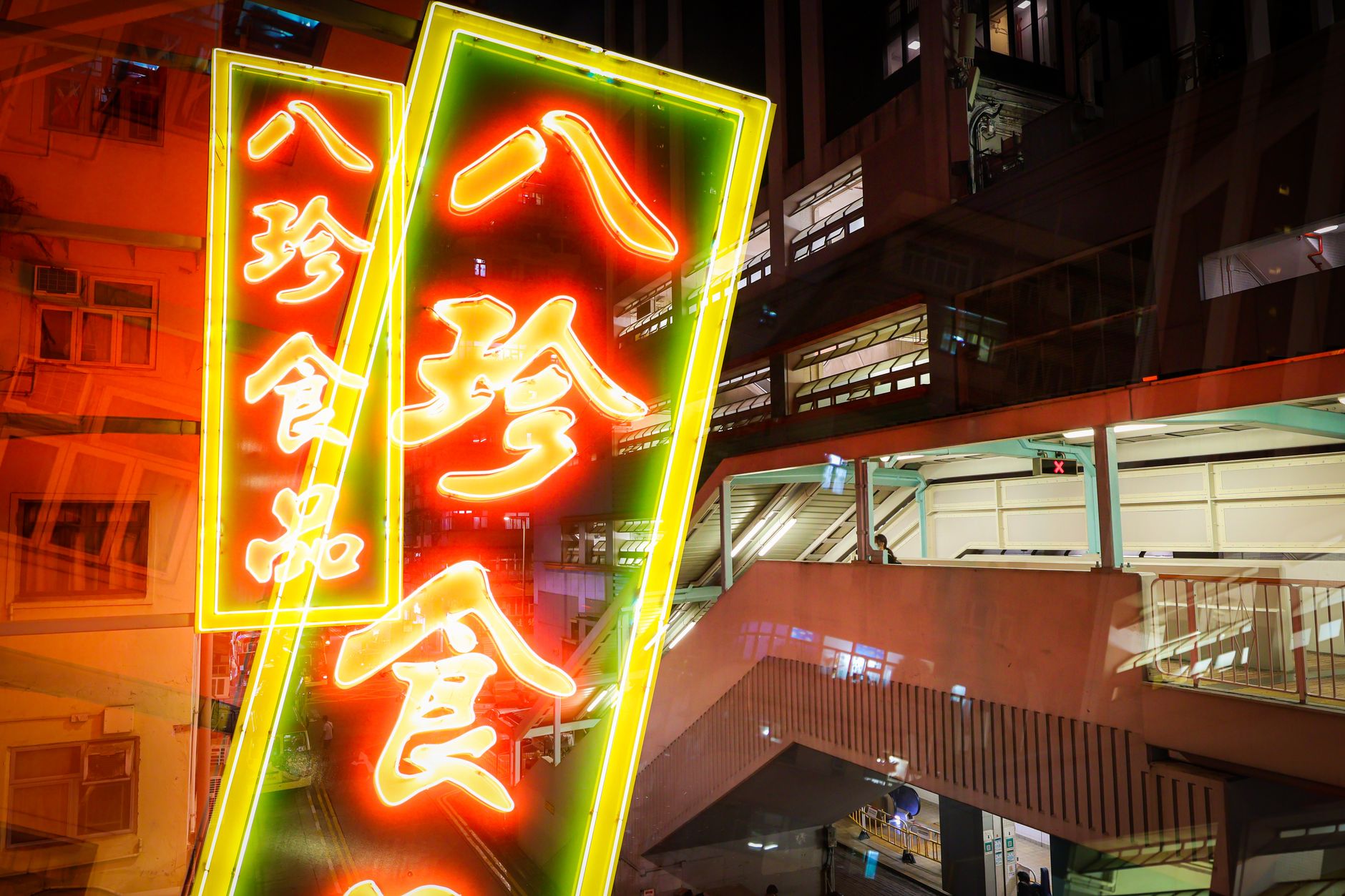
Kowloon, across the harbour, is grittier and more crowded. Tsim Sha Tsui has the waterfront promenade and museums; Mong Kok has the relentless markets and neon that first-timers picture. This is where street life is loudest.
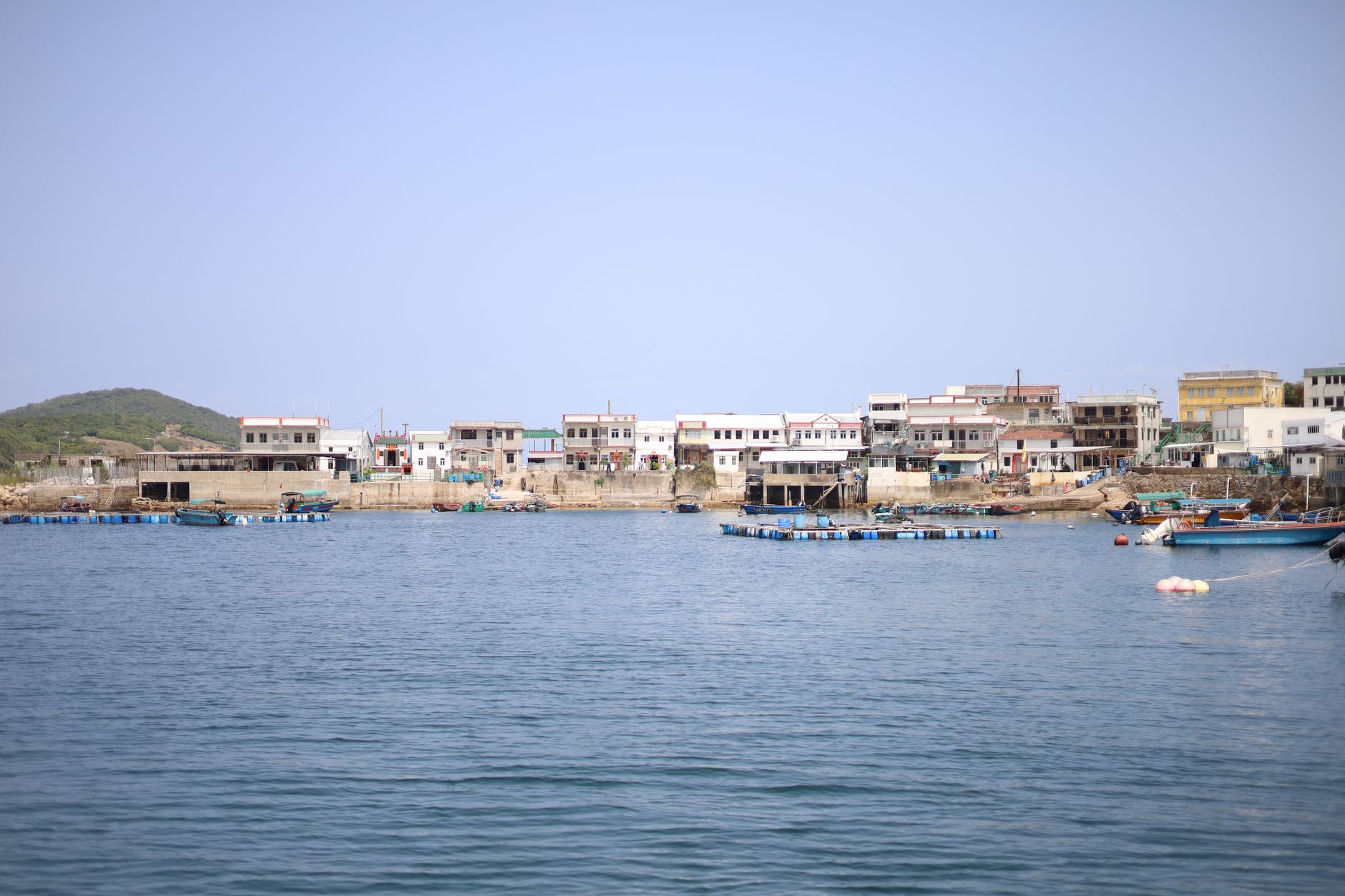
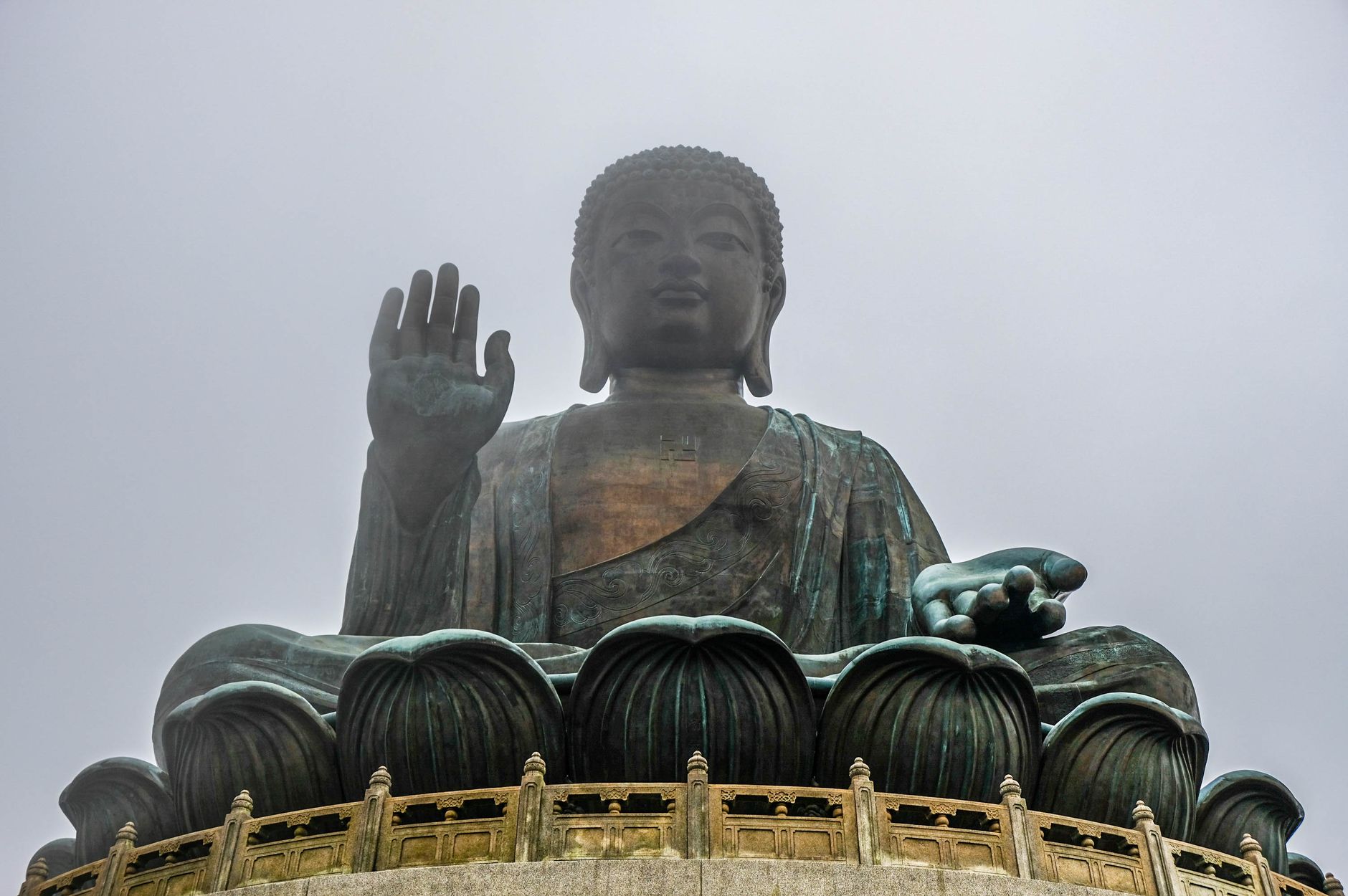
The New Territories and outlying islands are what most visitors skip and later regret. Lantau has big Buddhist sites, a cable car, and hiking. Lamma and Cheung Chau are car-free island escapes reached by ferry, good for seafood and a half-day away from the crush. If you have time, the country-park trails suit anyone who wants to see the wild, hilly Hong Kong that photographs never show.
Getting around Hong Kong is easiest with your own wheels, so it is worth hiring a car for a few days — and you will find somewhere to stay to suit most budgets.
When to go
Autumn, roughly late October into December, is the most comfortable stretch: warm, drier, often clear. This is the easiest time to walk and hike. Spring is mild but can be grey and damp, with humidity that fogs the hills and your camera lens. Summer is hot, intensely humid, and the season for heavy rain and occasional typhoons, which can shut things down for a day. Winter is cool rather than cold, sometimes overcast, and pleasant for city walking. If you dislike heat, avoid the height of summer.
What first-timers get wrong
Many people treat it as a two-day stopover and never leave the harbourfront. That gives you the skyline and the shops and nothing else. Build in time for the islands and the hills.
People also underestimate how vertical and layered navigation is: the "ground floor" is often not the street you expect, and neighbourhoods stack over transport hubs. Carry the transit card and use the ferries, which are cheap, scenic and part of the experience. Dress for humidity outdoors and for strong air-conditioning indoors. And do not plan around a car; you will not need one.
Food worth seeking out
Eating is the main event. Dim sum is the ritual most associated with the place, taken with tea and best approached slowly over many small dishes. Beyond that, seek out roast meats hanging in shop windows, char siu and roast goose over rice, wonton noodle soup, and clay-pot rice in cooler months. Cha chaan teng, the local diners, serve the hybrid comfort food of the city: milk tea, macaroni soup, and thick toast. On the islands, order seafood cooked simply and eat it by the water.

