

 damien Saillet / Pexels
Cape Verde: what to see and when to go
· Captain Cheap
Cape Verde sits in the Atlantic off the coast of Senegal, closer to Africa than to Europe, though its culture leans toward Portugal and Brazil. It is a nation of ten islands, none of them identical, scattered across a stretch of ocean that keeps the weather warm and the wind constant. People often arrive expecting a straightforward beach holiday and find something stranger and more interesting: a place shaped by isolation, emigration, drought and a music that carries more melancholy than the sunshine suggests.
What it's actually like
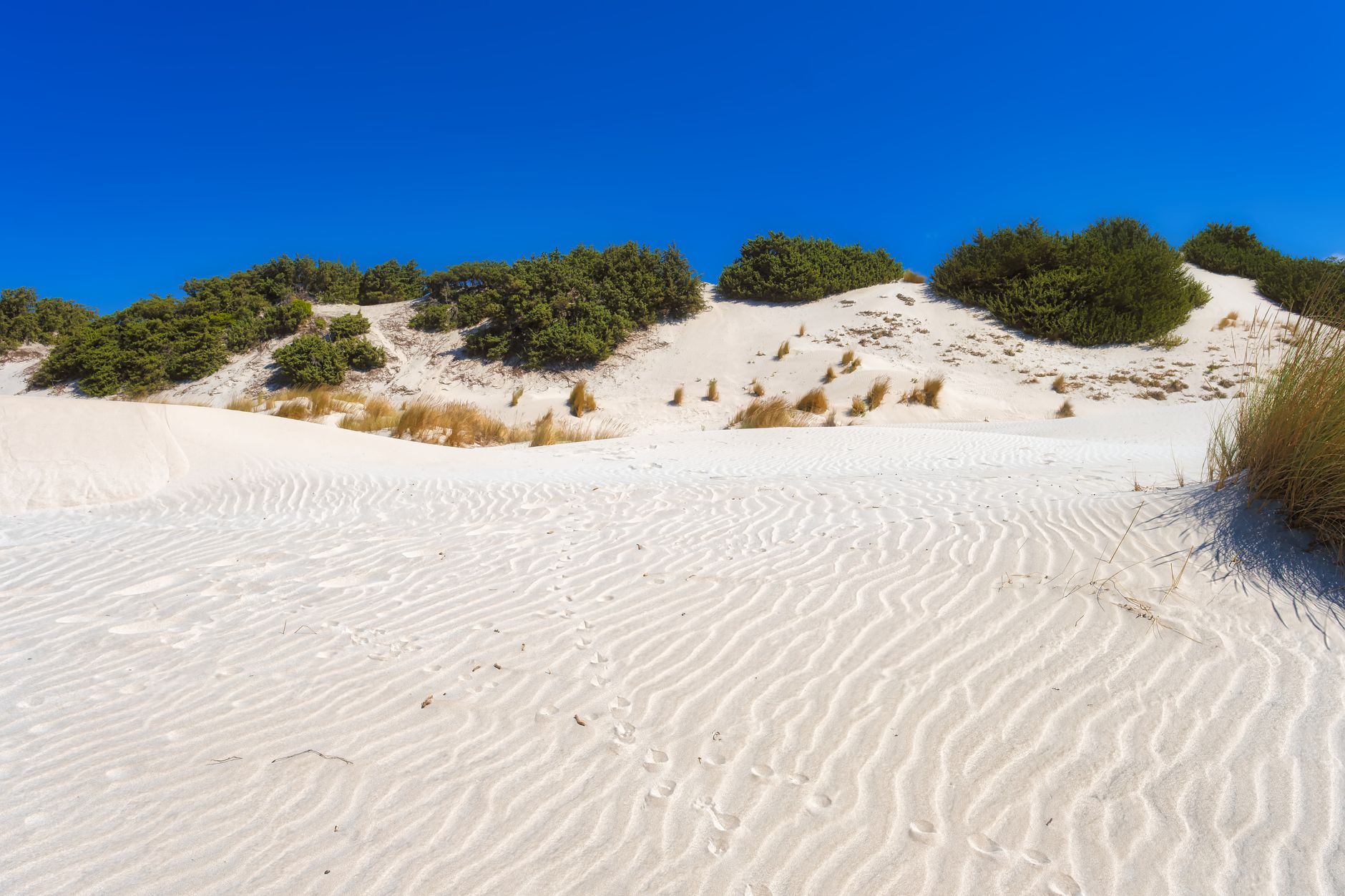
The landscape is volcanic and often bare. Some islands are green and folded with valleys; others are flat, sandy and scoured by wind. This is not a lush tropical paradise, and anyone picturing rainforest will be surprised by how dry and rocky much of it feels. Rain is scarce and unreliable, which has shaped the country's whole history and sent generations of Cape Verdeans abroad. That diaspora is central to how the place feels: half the story of any family seems to involve someone who left for Lisbon, Boston or Rotterdam.
The pace is unhurried. The Creole word "morabeza" describes a kind of warm, easy hospitality, and it is genuinely part of daily life rather than a tourist-board slogan. Portuguese is the official language, but people speak Cape Verdean Creole among themselves.
The islands worth your time
The islands split roughly into the windward group in the north and the leeward group in the south, and choosing between them matters.
Sal and Boa Vista are the flat, sandy islands built around beach resorts. They suit people who mainly want reliable sun, long stretches of white sand and watersports, especially windsurfing and kitesurfing. They are the easiest option and the least characterful.
Santiago is the largest island and home to the capital, Praia. It feels the most African of the group, with a busy market culture and the historic town of Cidade Velha, the first European settlement in the tropics. It suits travellers who want a working country rather than a resort.
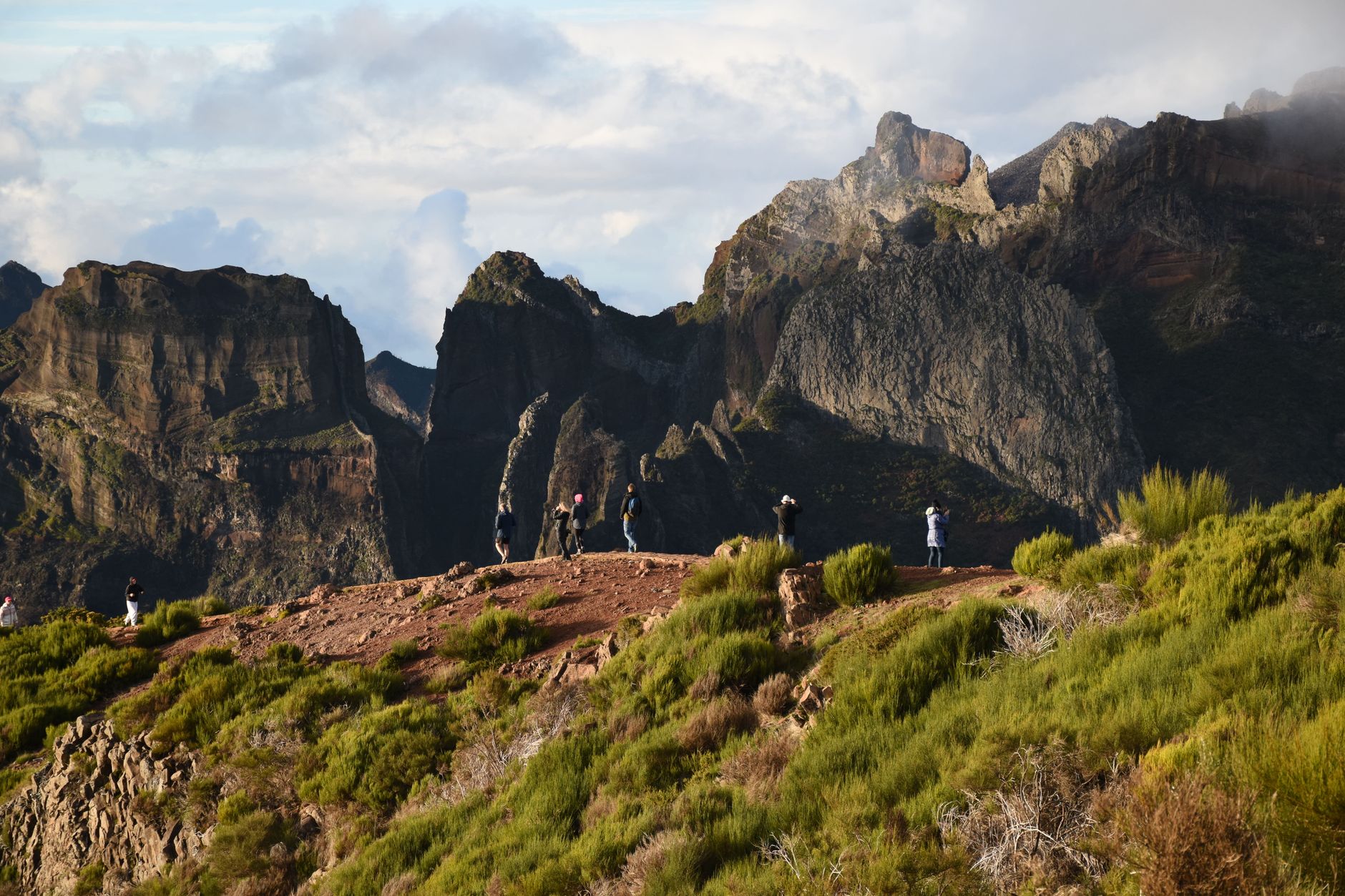
São Vicente is worth it for Mindelo, the cultural capital, a port town with faded colonial buildings, a strong music scene and the country's liveliest nightlife. From there you can reach Santo Antão, the most dramatic island for walking, all deep ravines, terraced farms and footpaths threading between villages. Hikers should make Santo Antão a priority.
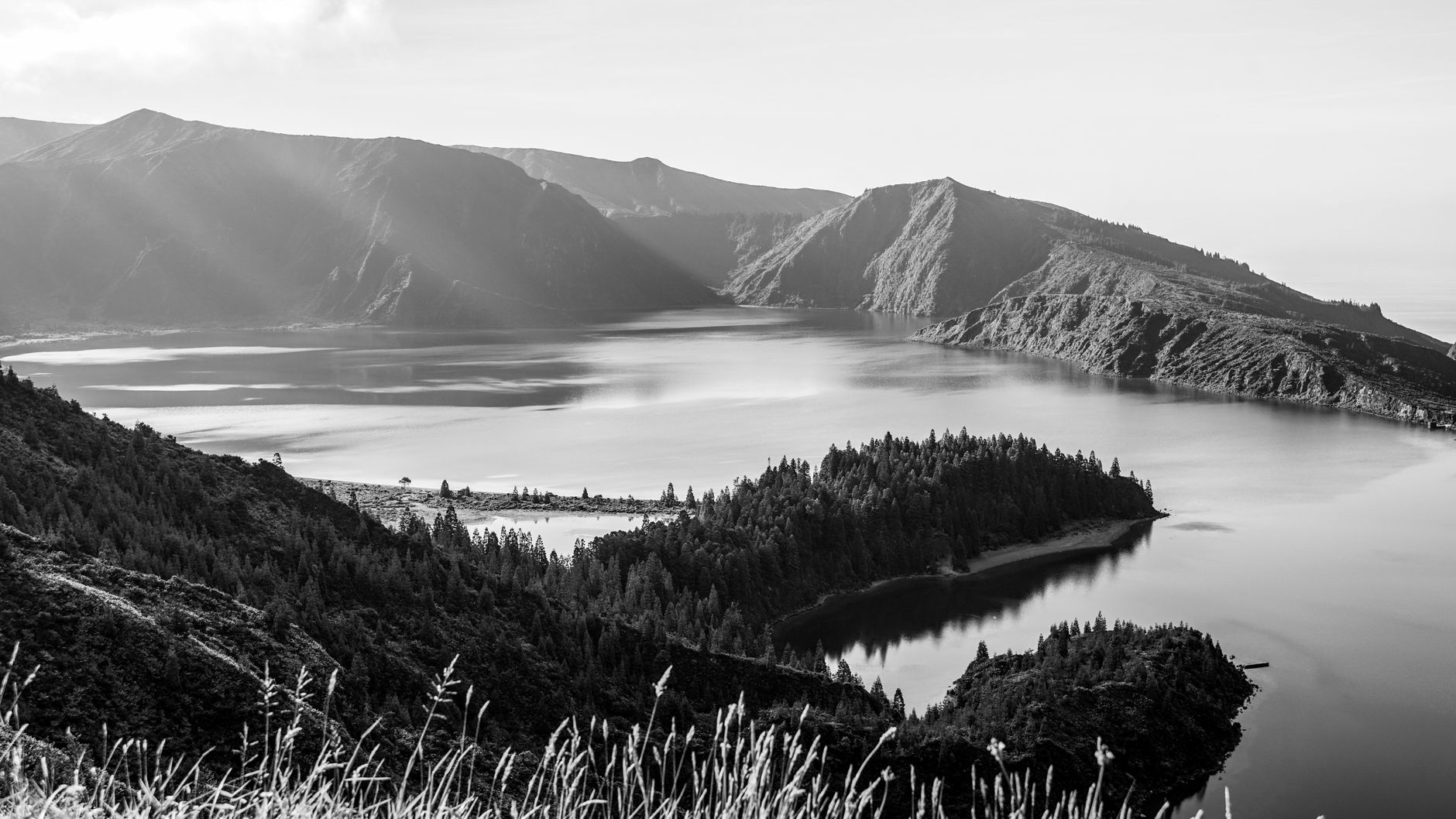
Fogo is built around an active volcano you can climb, with vineyards growing in the black soil of the crater.
Getting around Cape Verde is easiest with your own wheels, so it is worth hiring a car for a few days — and you will find somewhere to stay to suit most budgets.
When to go
Cape Verde is warm year-round, and there is no true bad season. The period from roughly November to June is drier, sunnier and the most dependable. The later summer and early autumn months can bring more humidity and the occasional short burst of rain, though nothing like a monsoon. Wind is a constant, strongest in the winter and early spring, which is exactly what draws surfers to Sal and Boa Vista. If you dislike wind, be aware it rarely stops.
What first-timers get wrong
The biggest mistake is treating the islands as interchangeable and expecting to hop between them easily. Getting from one to another takes planning, and distances are larger than they look on a map. Pick one or two islands and settle in rather than trying to see everything.

People also underestimate how little grows here. Much food is imported, and self-catering shoppers may find limited choice outside the main towns. Bring anything you rely on. And do not expect a slick, timetabled experience; things run on their own rhythm.
Food worth seeking out
The national dish is cachupa, a slow-cooked stew of corn, beans and whatever meat or fish is available, eaten everywhere and often reheated the next morning with an egg on top. Fresh fish and seafood are the real strength: tuna, wahoo, grilled limpets and lobster appear on menus across the islands. Look for pastéis filled with fish, and the local grogue, a fierce sugarcane spirit, sometimes softened into a honeyed liqueur called ponche. Coffee from Fogo is worth trying at the source.


