

 U.Lucas Dubé-Cantin / Pexels
Canada: what to see and when to go
· Captain Cheap
Canada is vast in a way that's hard to absorb until you're there. It spans six time zones, and the distance between its coasts is greater than the distance from Lisbon to Moscow. This scale is the single thing most first-time visitors misjudge. You cannot "see Canada" in a fortnight any more than you could see all of Europe. Pick a region, and let the rest wait for another trip.
What it's actually like
The postcard image of mountains, lakes and empty wilderness is true, but it's only part of the story. Most Canadians live in cities strung along the southern edge near the US border, and those cities are diverse, walkable in their cores and quietly cosmopolitan. Toronto and Vancouver in particular are among the more multicultural places you'll visit anywhere.
Canada is also genuinely bilingual in a way that surprises people. In Quebec, French is the working language of daily life, not a tourist novelty. Elsewhere, English dominates, though federal signage appears in both languages everywhere.
The friendliness is real, if sometimes overstated. People are helpful and unhurried, and small talk with strangers is normal rather than intrusive.
Where to go
For a first trip, choose an anchor and build around it.

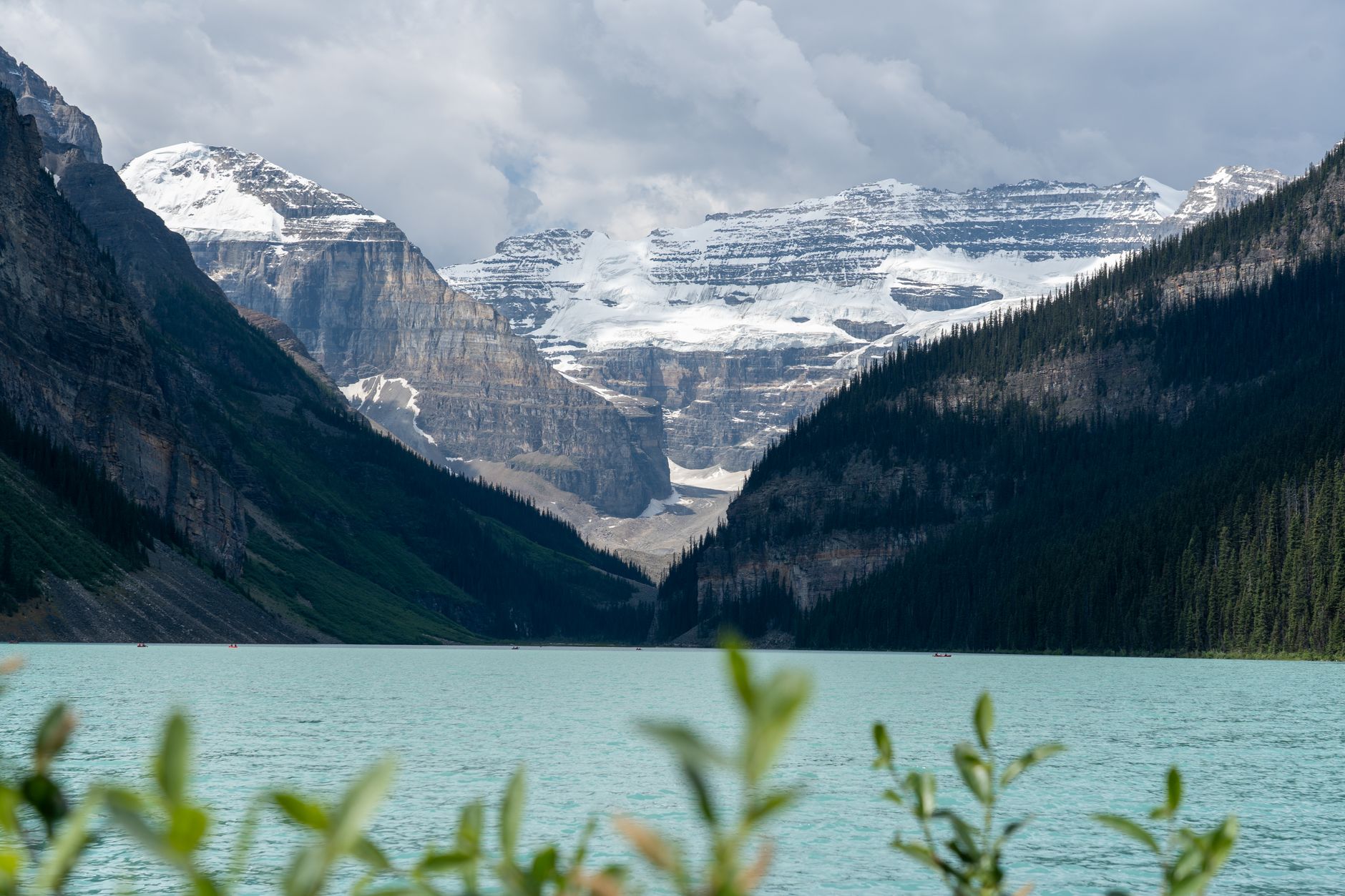
The Rockies, reached through Calgary, offer the alpine landscape most people come for: Banff, Lake Louise and the drive up to Jasper. This suits anyone who wants mountains, hiking and turquoise glacial lakes, though the well-known spots get busy in summer.
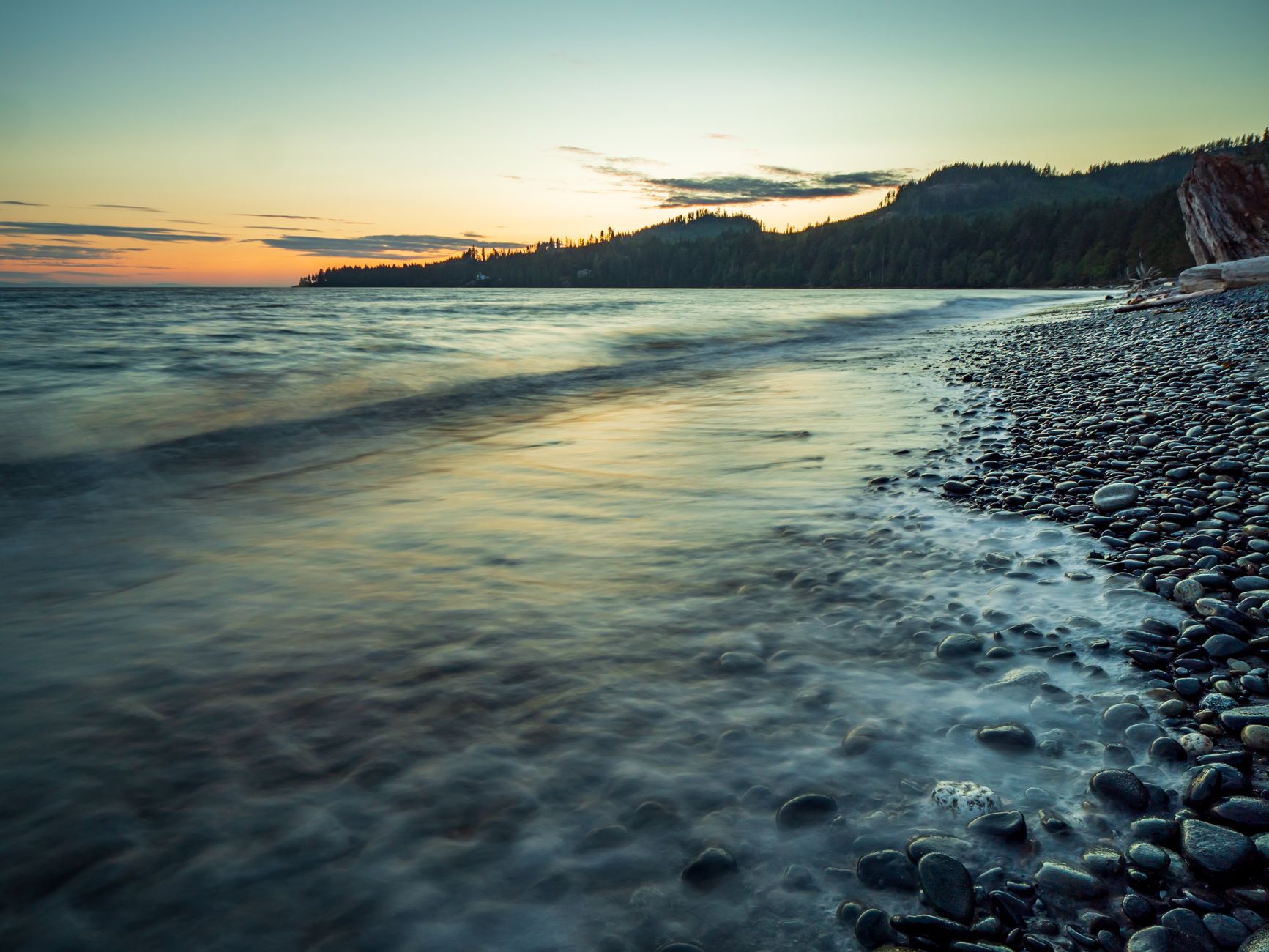
British Columbia and Vancouver give you a milder, greener version of Canada, with the sea, forested islands and Vancouver Island a ferry ride away. Good for those who want cities and nature within easy reach, and who don't mind rain.
Quebec is the cultural detour. Montreal is lively and food-obsessed; Quebec City has a walled old town that feels genuinely European and is worth a couple of days. This is the region for people who like history, language and atmosphere over wilderness.
Ontario holds Toronto and Niagara Falls, and works as a practical introduction, though the falls themselves are surrounded by a fair amount of tackiness.
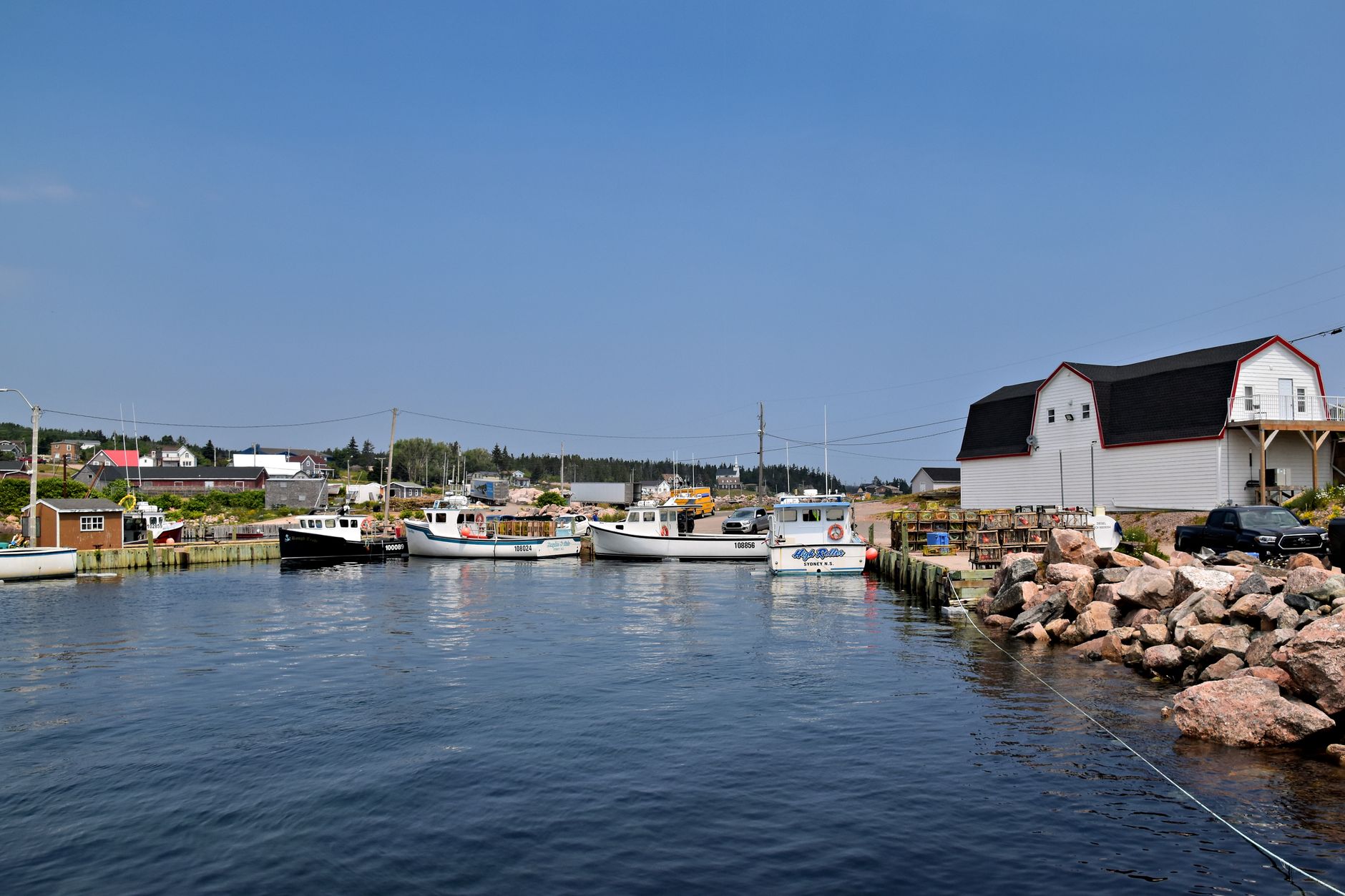
The Atlantic provinces — Nova Scotia, New Brunswick, Prince Edward Island and Newfoundland — are quieter, tied to the sea, and reward people who like coastlines, fishing villages and a slower pace.
Getting around Canada is easiest with your own wheels, so it is worth hiring a car for a few days — and you will find somewhere to stay to suit most budgets.
When to go
Summer, roughly June through August, is warm to hot across most of the country and is when the mountains and lakes are at their best. It's also the busiest and most expensive stretch.
Autumn brings the foliage, especially in Quebec, Ontario and the east, where the maples turn deep red. September and early October are among the most pleasant times to travel, with thinner crowds.
Winter is long and genuinely cold across most of the country, with temperatures that can drop well below anything in Western Europe. This is the season for skiing and for cities like Quebec that wear the snow beautifully, but only if you're prepared for it.
Spring is short and can be muddy and unpredictable.
What first-timers get wrong
Underestimating distances is the big one. People plan to combine Banff and Toronto in a few days without realising they're time zones apart.
They also underdress for the cold and overdress for the summer, when it can be genuinely hot and humid in the east.
Tipping is expected in restaurants and for many services, at rates that surprise Europeans; it's built into the economics of eating out, not optional. Sales tax is added at the till rather than shown on the shelf, so prices come out higher than advertised.
Food worth seeking out
Poutine — chips with cheese curds and gravy — is the cliché, but a good version is worth having. In Quebec, look for tourtière, a spiced meat pie, and anything involving maple. The Atlantic coast is the place for lobster, scallops and fish. Montreal has its own smoked meat and a distinctive dense, wood-fired bagel worth trying against its New York rival. In the west, salmon and game feature more heavily, and Pacific seafood is excellent.


