

 wal_ 172619 / Pexels
Bulgaria: what to see and when to go
· Captain Cheap
Bulgaria sits in the southeast corner of Europe, sharing borders with Greece, Turkey, Serbia, North Macedonia and Romania, with the Black Sea to the east. It is one of the continent's older countries but one of the least visited by Western Europeans, which means it still feels genuinely unfamiliar rather than smoothed over for tourists. People arrive expecting either a cheap beach holiday or a grey post-communist landscape, and both assumptions miss most of what the place actually is.
What it's actually like
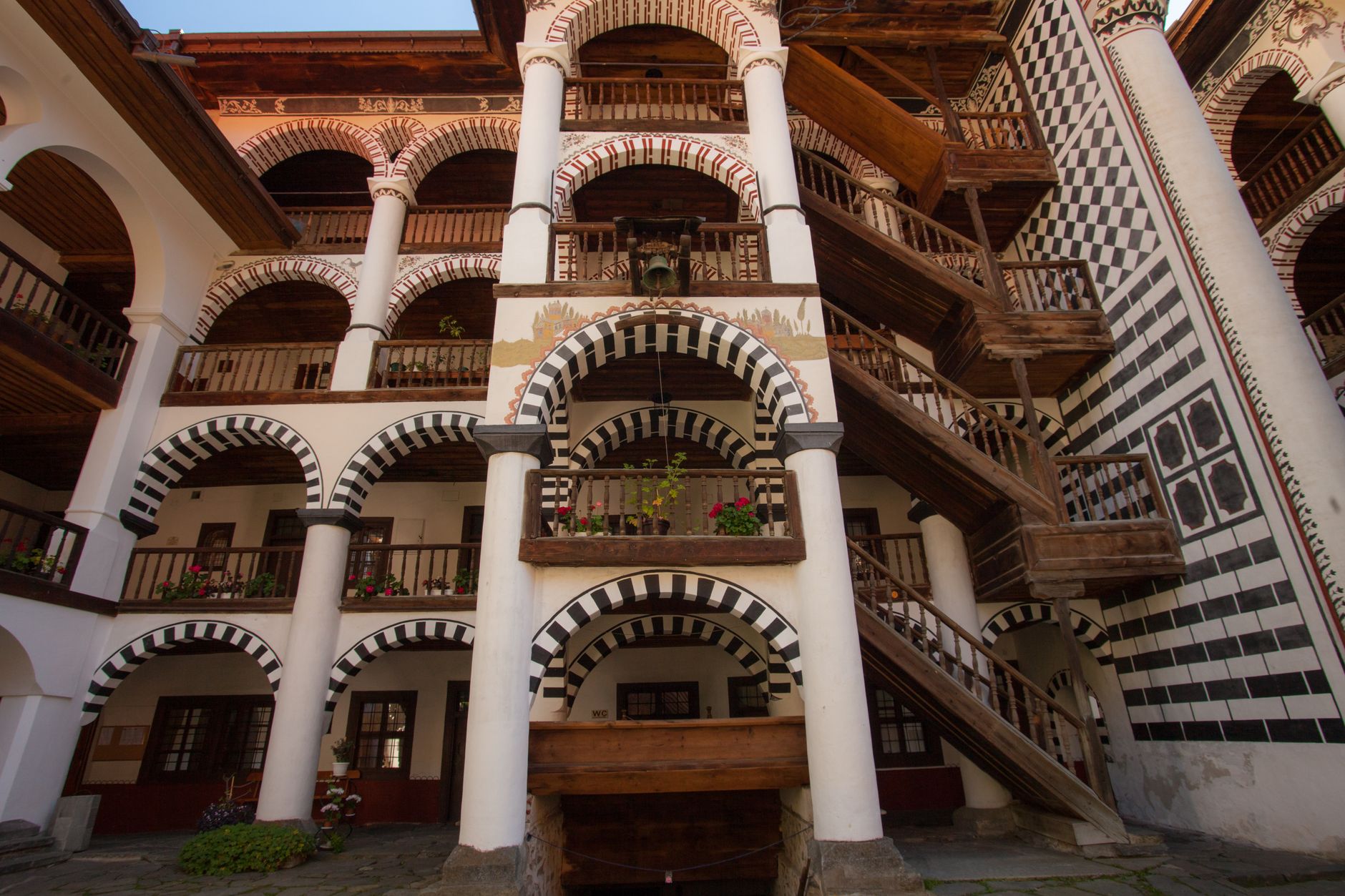
Bulgaria is more mountainous than most people realise. Ranges run across much of the interior, and forests, gorges and high pastures take up a lot of the map. The countryside is dotted with monasteries, ruined fortresses and villages where older ways of farming persist. Cities carry visible layers of history: Thracian, Roman, Byzantine, Ottoman and Soviet, sometimes stacked on the same street. The Cyrillic alphabet was shaped here, and signage in the alphabet is one of the first things that reminds you you're somewhere distinct.
The country is also quieter and less polished than Western Europe. Infrastructure can be uneven, service can be brisk rather than warm, and things sometimes run on their own logic. This is part of the appeal rather than a flaw, but it helps to arrive without expecting seamlessness.
Where to go
Sofia, the capital, sits beneath Vitosha mountain and rewards a couple of days of slow wandering: Roman ruins under the streets, Orthodox churches, a mosque, a synagogue and heavy-set government buildings all within walking distance. It suits people who like cities with texture over cities that photograph well.

Plovdiv, to the southeast, is older and gentler, with a restored old town of timber-framed merchant houses, a Roman theatre still used for performances, and a walkable creative quarter. It suits anyone who found Sofia too big.
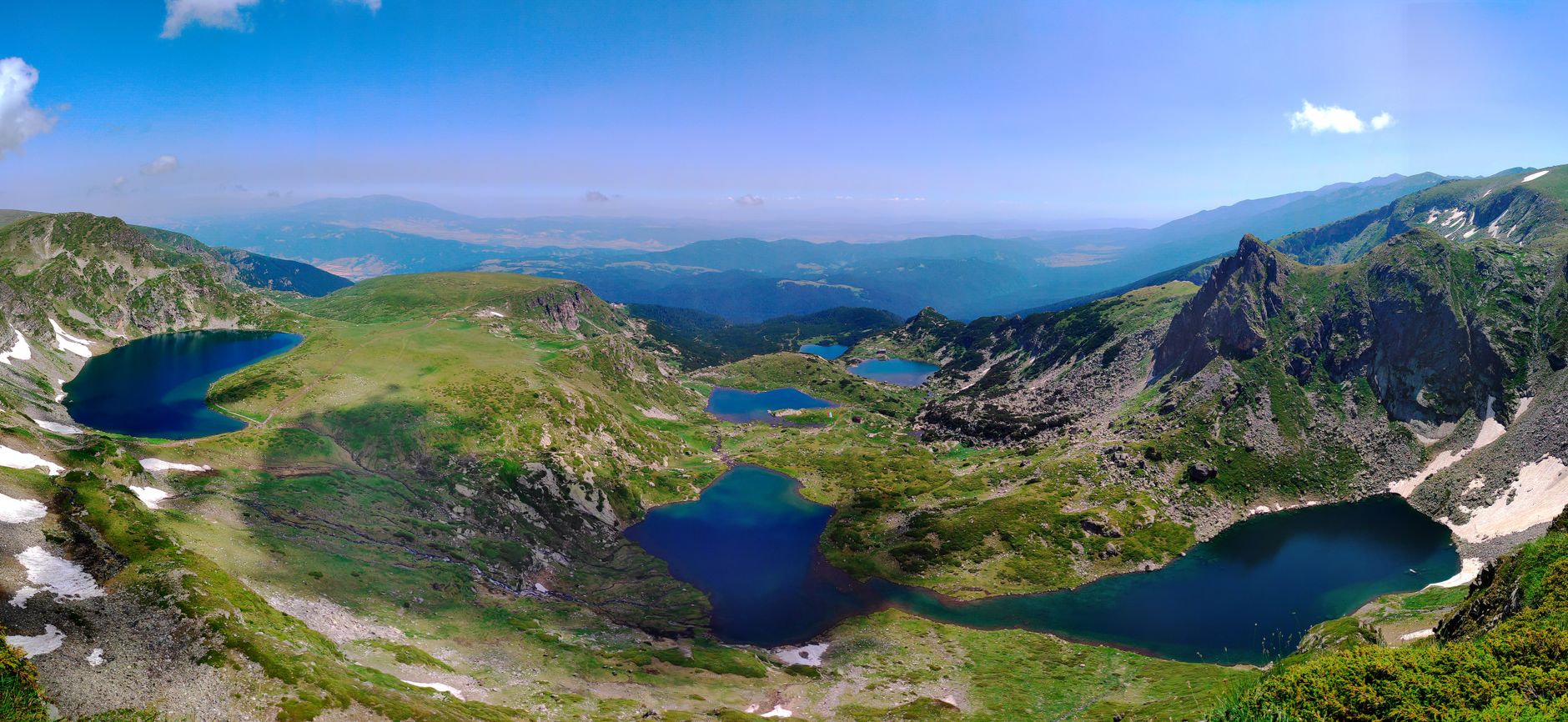
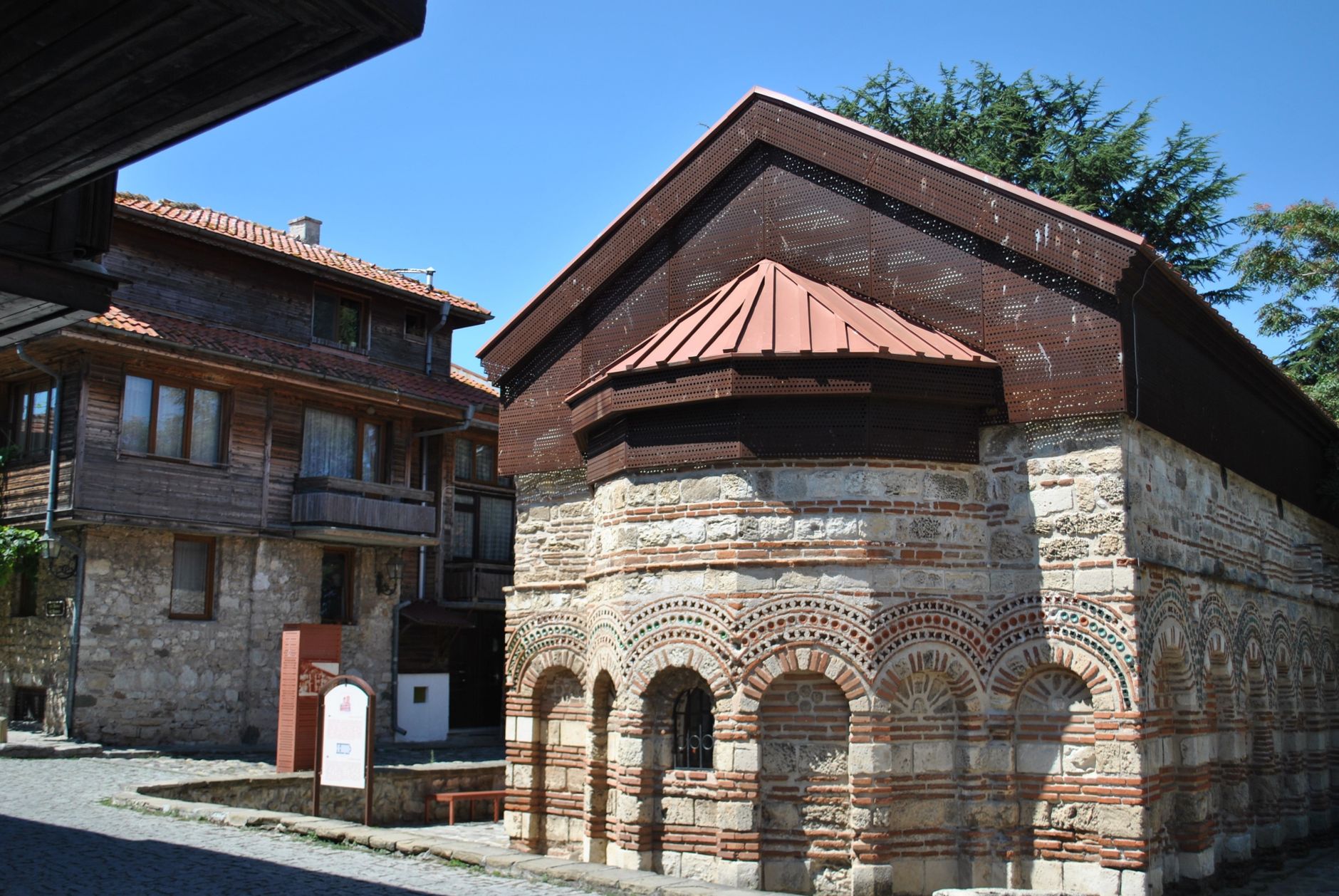
Veliko Tarnovo, a medieval capital, drapes over steep hills above a river bend and is worth going out of your way for. The Rila and Pirin mountains in the southwest offer serious hiking, alpine lakes and the famous Rila Monastery, tucked into a forested valley. Bansko is the main winter base for skiing. The Black Sea coast has both overbuilt resort strips and older towns like Nesebar and Sozopol with cobbled lanes and wooden houses; choose carefully, because the two experiences are very different.
Getting around Bulgaria is easiest with your own wheels, so it is worth hiring a car for a few days — and you will find somewhere to stay to suit most budgets.
When to go
Late spring and early autumn are the most forgiving seasons. May and June bring green hills, wildflowers and mild days, and the valleys where roses are grown come into bloom. September and October offer warm daytime temperatures, thinner crowds and good hiking weather before the mountains turn cold.
Summer inland can be genuinely hot, and the coast fills up with holidaymakers from across the region. Winter is cold and often snowy, especially in the mountains, which is what makes the ski season, but many rural sites go quiet and some coastal towns effectively close.
What first-timers get wrong
The biggest mistake is treating Bulgaria as a beach-only destination and never leaving the coast, missing the mountains and old towns that are the better part of the country. Another is underestimating distances and road conditions: the interior is not built for rushing, and public transport between smaller places can be slow or sparse, so renting a car opens up a great deal.
Remember that a nod and a shake of the head are traditionally reversed here, which causes real confusion. Carry some cash, since smaller places may not take cards, and learn to recognise a few words in Cyrillic, as it makes navigation far easier.
Food worth seeking out
Bulgarian food leans on vegetables, grilled meat, dairy and bread. Look for shopska salad, a mix of tomato, cucumber, pepper and grated white brine cheese. Banitza, a coiled pastry with cheese, makes a standard breakfast. Grilled meats such as kebapche and kyufte turn up everywhere, often with a cold yoghurt-and-cucumber soup called tarator in summer. The yoghurt itself is a point of national pride, and local wines and the fruit brandy rakia are both worth trying carefully.