

 Omer Al Faruq / Pexels
Bangladesh: what to see and when to go
· Captain Cheap
Bangladesh sits in the shadow of its larger neighbours, and most people who go there did not plan a holiday around it. That is precisely why it rewards you. This is a country of rivers more than roads, where the land itself is remade every monsoon, and where foreign faces are still rare enough that curiosity, rather than commerce, tends to shape how you're treated.
What it's actually like
The first thing that hits you is density. Bangladesh packs an enormous population into a low, flat, green delta, and the cities feel it. Dhaka is loud, congested and relentless, and no amount of preparation quite readies you for the traffic. But step away from the capital and the pace changes completely. Much of the country is farmland, waterways and small towns, and the dominant colour is a wet, saturated green.

People expect poverty and hardship, and there is real poverty here. What surprises most visitors is the warmth and the sheer ordinary functioning of daily life: bustling markets, tea stalls on every corner, students, weddings, cricket in every open space. It is a young, energetic country, and hospitality toward strangers is genuine rather than transactional.
Regions and cities worth your time
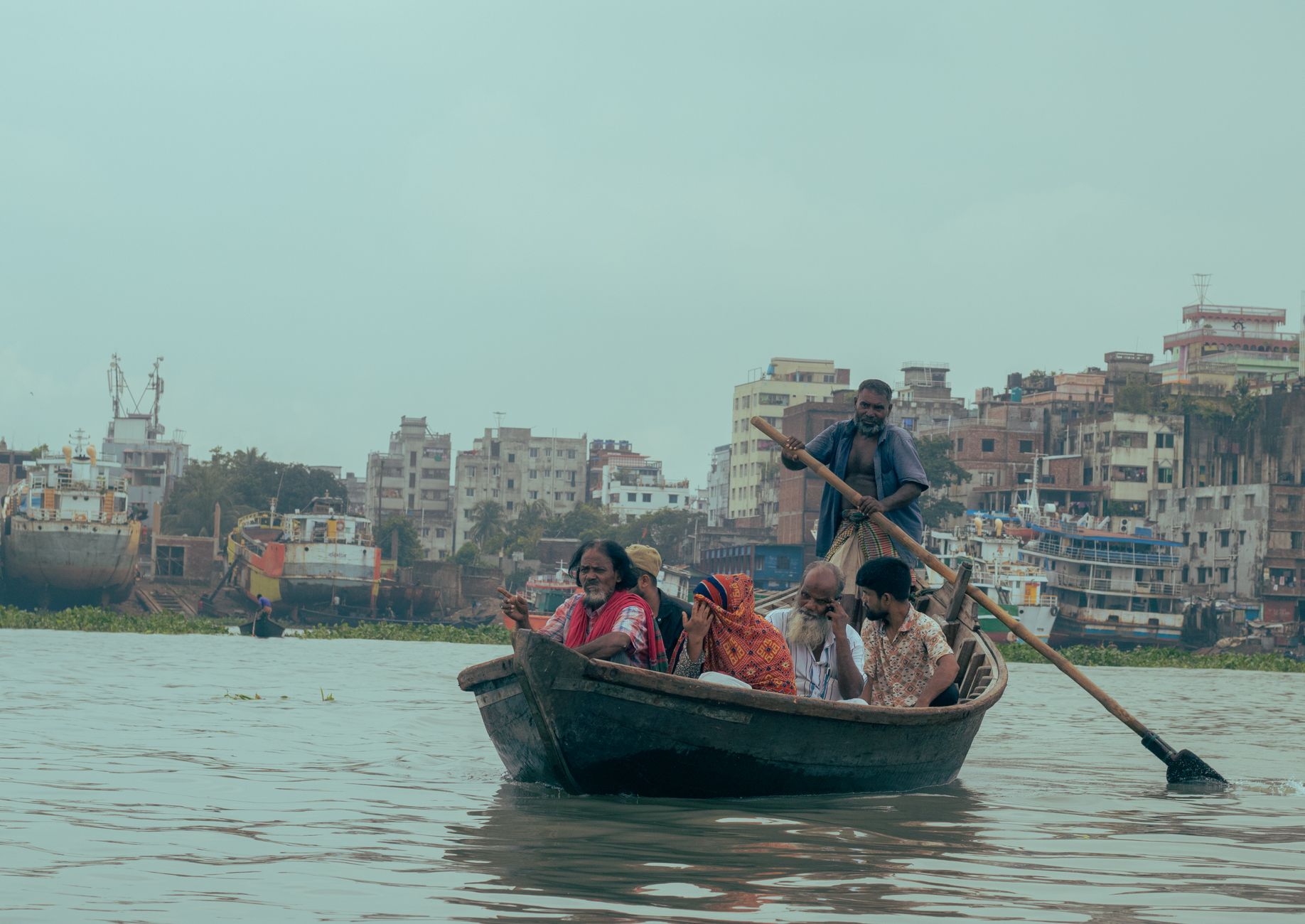
Dhaka is the entry point and worth a couple of days rather than a week. Old Dhaka, with its cramped lanes, river ghats along the Buriganga and Mughal-era buildings, gives the most concentrated sense of the country's history and chaos.
The Sundarbans, in the southwest, are the reason many people come. This vast mangrove forest, shared with India, is home to the Royal Bengal tiger, though sightings are rare. You explore it by boat, drifting through channels past deer, crocodiles and extraordinary birdlife. It suits travellers happy to trade comfort for wilderness.
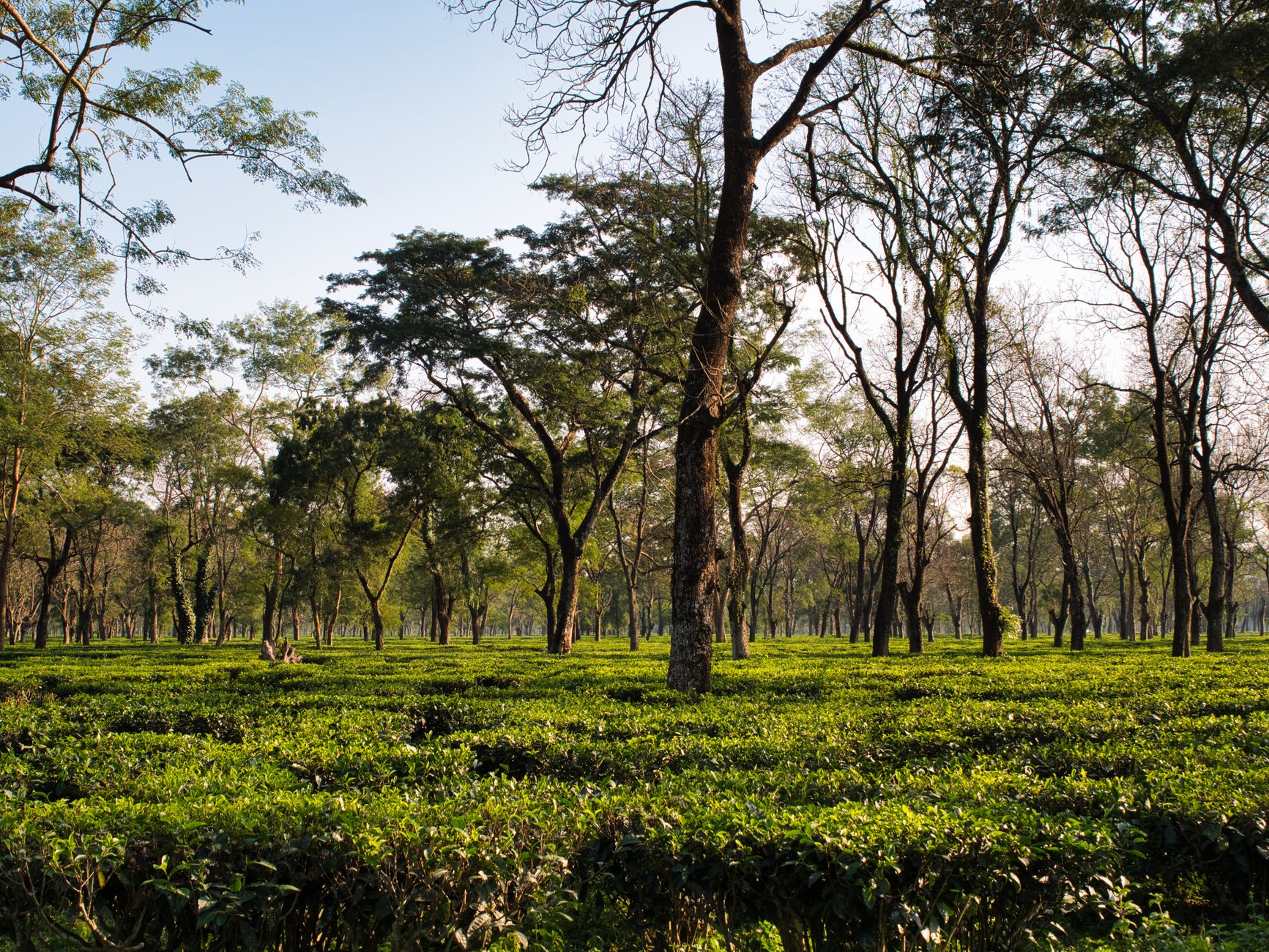
Srimangal, in the northeast, is tea country: rolling green hills covered in plantations, a gentler landscape and a good base for walking. The Chittagong Hill Tracts, in the southeast, are different again, more forested and hilly, and home to Indigenous communities with their own languages and cultures; access can be restricted, so check the current situation before planning.
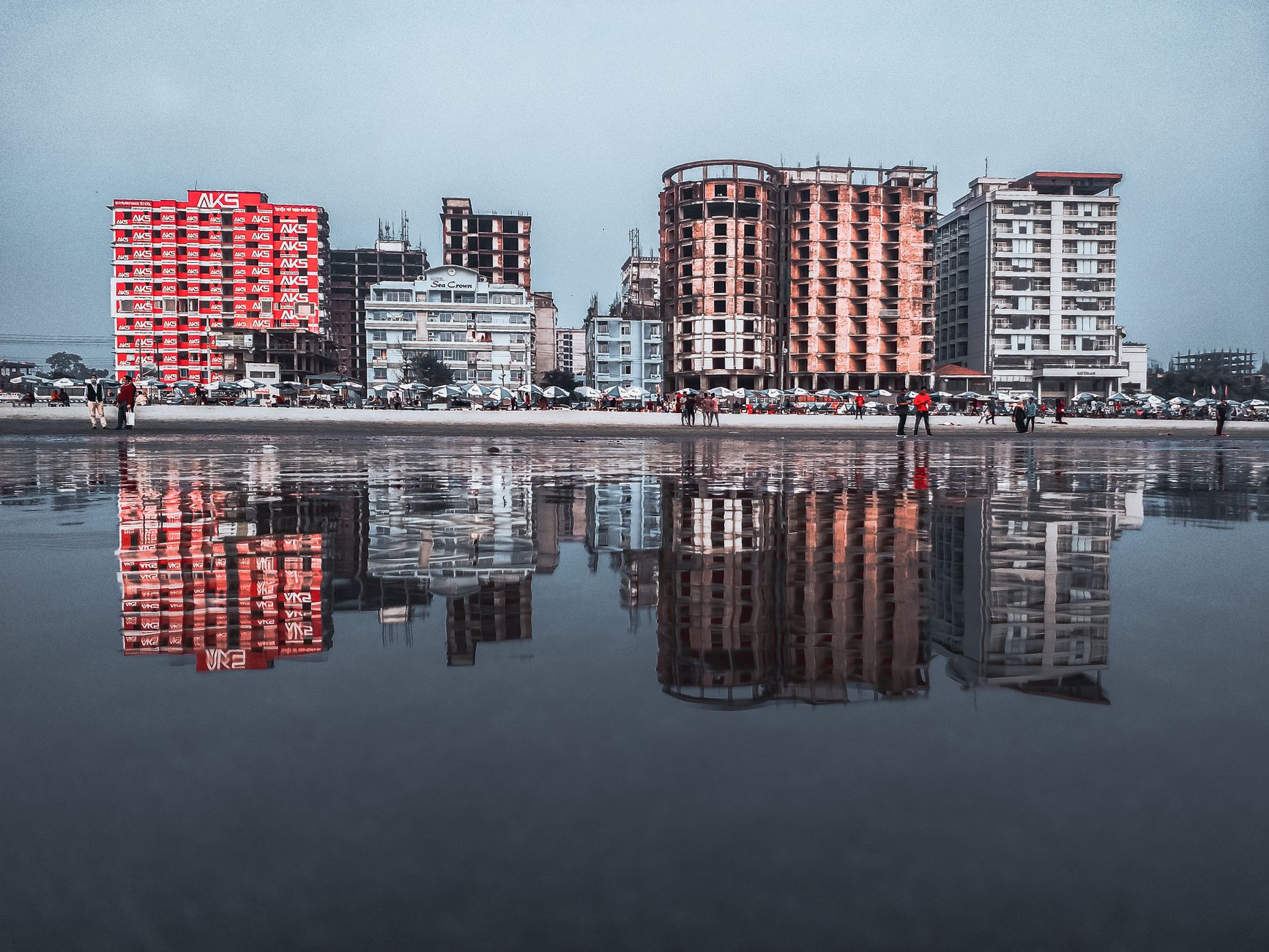
Cox's Bazar draws domestic tourists for its very long beach, though it is developed and busy rather than serene. For ruins, Bagerhat and the north around Rajshahi and Paharpur hold mosques and Buddhist monastic sites that see almost no foreign visitors.
Getting around Bangladesh is easiest with your own wheels, so it is worth hiring a car for a few days — and you will find somewhere to stay to suit most budgets.
When to go
The seasons matter enormously here. The dry, cooler months roughly from late autumn through early spring are the sensible time to visit: warm days, manageable humidity and passable roads. This is when the countryside is at its most rewarding and travel is least draining.
The pre-monsoon months turn brutally hot and humid. The monsoon itself, over the summer, brings serious rain and widespread flooding that can cut off whole regions and make travel unpredictable. The landscape is at its greenest and most dramatic then, but it is not a forgiving time to be moving around as a first-timer.
What first-timers get wrong
They underestimate how long journeys take. Distances look short on a map, but ferries, river crossings and traffic stretch everything out, so build in slack and don't overpack the itinerary.
They also treat it like a checklist destination and rush. Bangladesh gives more the slower you go. Dress modestly, particularly outside the cities and especially for women, and be aware this is a Muslim-majority country where local norms around alcohol and behaviour are worth respecting. Learning a few words of Bangla goes a long way.
Food worth seeking out
Bengali food is built around rice, fish and mustard. Look for freshwater fish, especially hilsa, often cooked with mustard seed paste in a dish called shorshe ilish. Prawn preparations, lentil dals, and vegetable dishes seasoned with panch phoron round out most meals.
Street food is a highlight: fuchka (crisp shells filled with spiced water), singara and samosas, and endless sweet milk-based desserts like roshogolla and mishti doi, a set sweet yoghurt. Tea, sweet and milky, punctuates the whole day, and in Srimangal you can try the layered tea the region is known for.