

 Orkhan Humbetli / Pexels
Azerbaijan: what to see and when to go
· Captain Cheap
Azerbaijan sits at the point where Europe stops being recognisably European and the influences of Turkey, Iran and Russia start to blur together. It calls itself the land of fire, a nod to the natural gas that seeps up through the ground and, in a few places, burns of its own accord. Most first-time visitors arrive with almost no fixed picture in their heads, which is part of the appeal. What they find is a country of oil wealth and glass towers alongside mud-brick villages, empty mountain roads and a coastline on a sea that isn't a sea.
What it's actually like
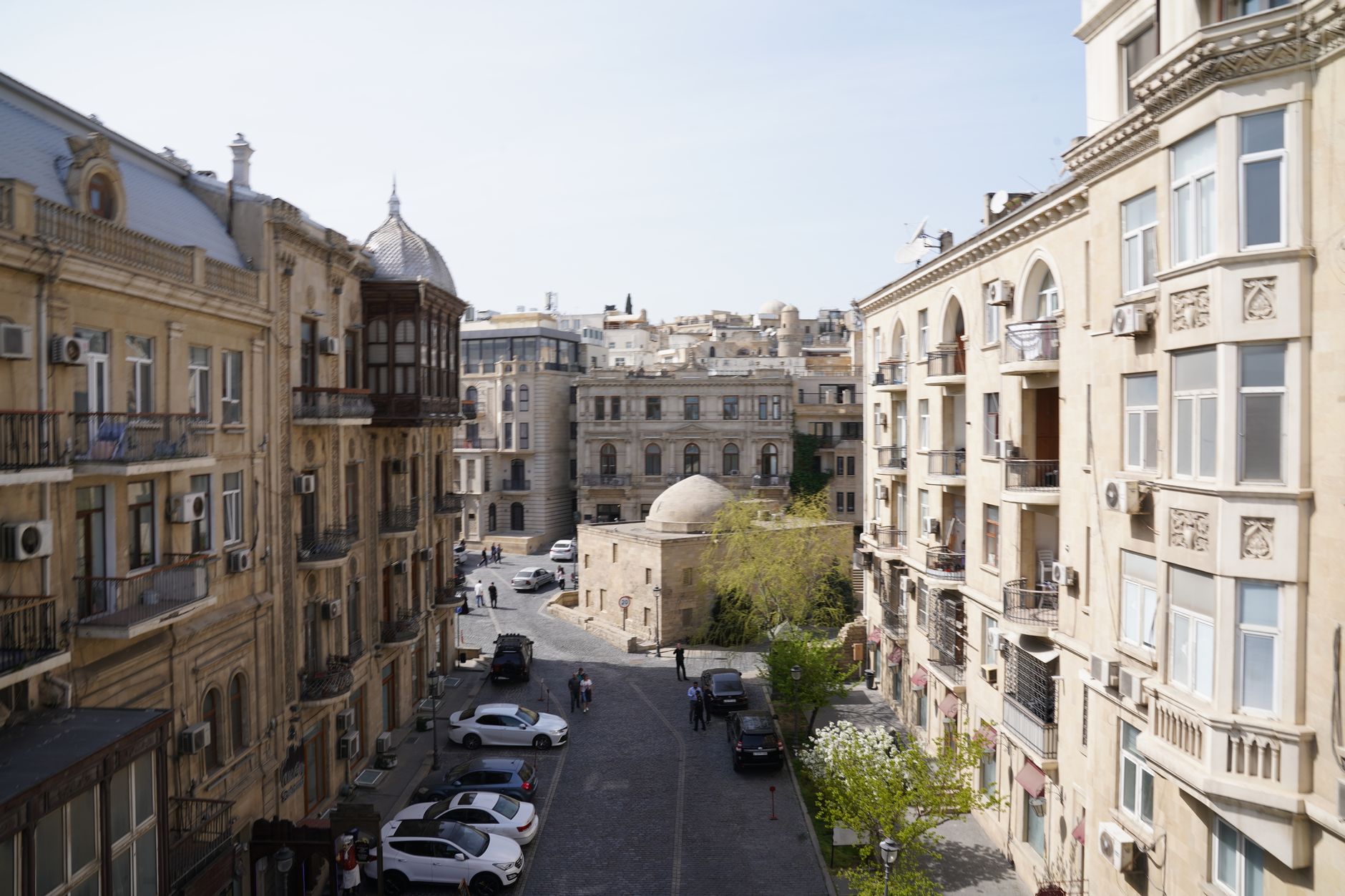
The gap between expectation and reality is widest in Baku, the capital. People expect somewhere provincial and post-Soviet; they get a city with a restored medieval core, a sweeping seafront promenade and a skyline of ambitious modern architecture. The country as a whole is more secular than its Muslim-majority label suggests, and hospitality toward visitors tends to be genuine and insistent, often involving tea.
It is also a country where things don't always run to Western European standards of predictability. Rural roads vary wildly, signage outside Baku is patchy, and plans are best held loosely. Russian is widely understood alongside Azerbaijani, and English is common enough in Baku but thins out fast beyond it.
Where to go
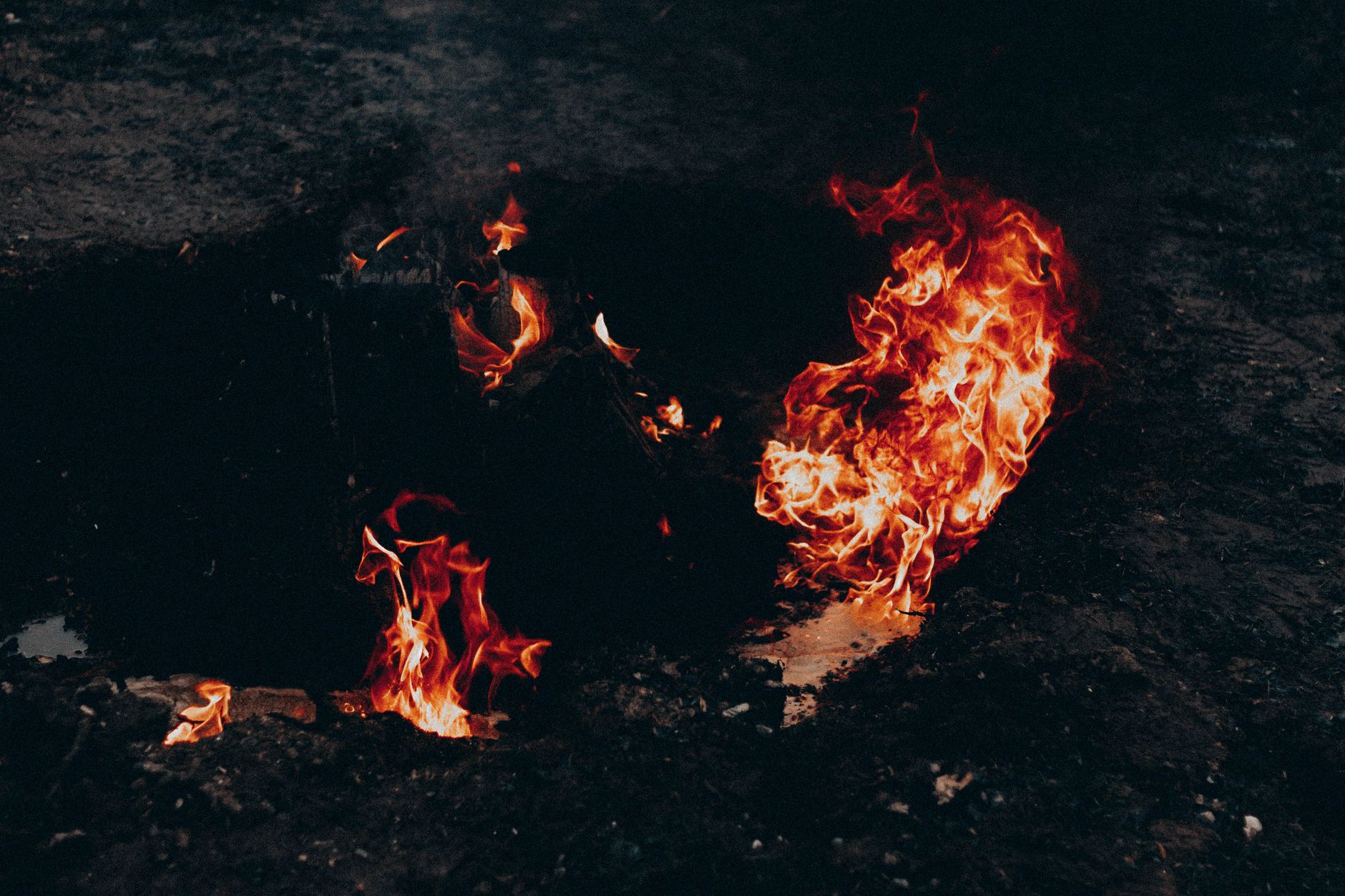
Baku is the obvious base and rewards a few days. Wander the walled Old City, walk the Caspian waterfront, and use the capital as a launch point for the strange Absheron Peninsula nearby, where you can see the burning hillside at Yanar Dag and the fire temple at Ateshgah.
For mountains, head north to Quba and the road up to Xinaliq, one of the highest continuously inhabited villages in the country, reached by a dramatic climb through gorges. The northwest around Sheki is the most rewarding region for many people: a handsome old town beneath the Caucasus, a restored khan's palace with intricate stained glass, and caravanserais that hint at the old Silk Road trade. This area suits anyone who wants history and scenery without crowds.
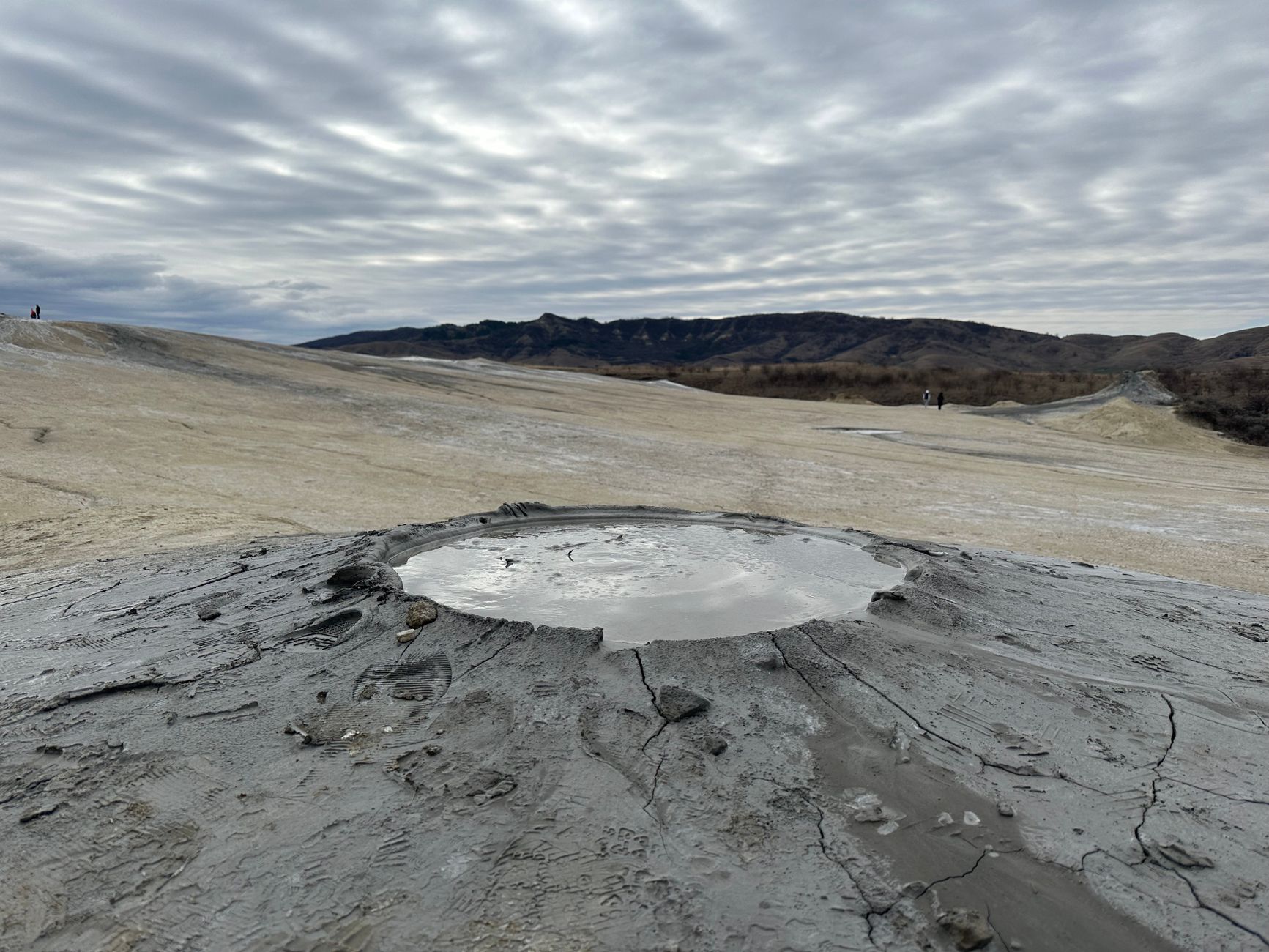
Further out, Ganja is the country's second city and a quieter, more workaday place. The central region around Gobustan, south of Baku, holds ancient rock carvings and fields of bubbling mud volcanoes, an easy day trip that feels otherworldly.
Getting around Azerbaijan is easiest with your own wheels, so it is worth hiring a car for a few days — and you will find somewhere to stay to suit most budgets.
When to go
Spring and autumn are the comfortable seasons. April to June brings green hills and mild days; September and October offer warm weather and, in wine areas, the harvest. Summer on the Baku coast gets genuinely hot, and the wind the city is named for (Baku roughly means "city of wind") can be fierce year-round. The mountain regions stay cooler and can hold snow well into spring, so high villages like Xinaliq are best in the warmer months. Winter is cold and grey in Baku but atmospheric, and quieter for sightseeing.

What first-timers get wrong
Many people underestimate distances and the state of the roads, then try to cram the whole country into a few days. It is better to pick two or three regions. Another mistake is treating Baku as the whole trip; the mountains and old Silk Road towns are where the country opens up. Bring cash for anywhere outside the capital, dress a little more modestly when visiting mosques or rural areas, and learn that tea is not a casual offer but a social ritual worth accepting.
Food worth seeking out
The food leans toward grilled meat, fresh herbs and bread, with Persian and Turkish echoes. Look for plov, the saffron-tinged rice dish served with meat or dried fruit, and various kebabs cooked over coals. Dolma, vegetables or vine leaves stuffed with spiced meat, turns up everywhere, as does dovga, a warm yoghurt-and-herb soup. In Sheki try the local piti, a slow-cooked mutton and chickpea stew, and the town's dense, sweet halva. Pomegranates appear in juice, sauces and salads, and black tea, often taken with jam, closes almost every meal.