

 Valeria Drozdova / Pexels
Armenia: what to see and when to go
· Captain Cheap
Armenia sits at the edge of where Europe blurs into Asia, a small, landlocked country wrapped around mountains and river gorges, with a history that stretches back well before most of the continent's familiar landmarks. It is the kind of place that surprises people who arrive expecting either a post-Soviet grey or an obscure blank on the map. What they find instead is a country with a strong sense of itself, deep religious roots, and a landscape that shifts from arid plateau to green forest within a short drive.
What it's actually like
Armenia is old in a way that is hard to overstate. It adopted Christianity as a state religion very early, and monasteries carved from dark stone stand in places that feel deliberately remote, on cliff edges and at the ends of valleys. The country carries the weight of a difficult modern history, including the genocide of the early twentieth century, which shapes the national memory and is worth understanding before you go.
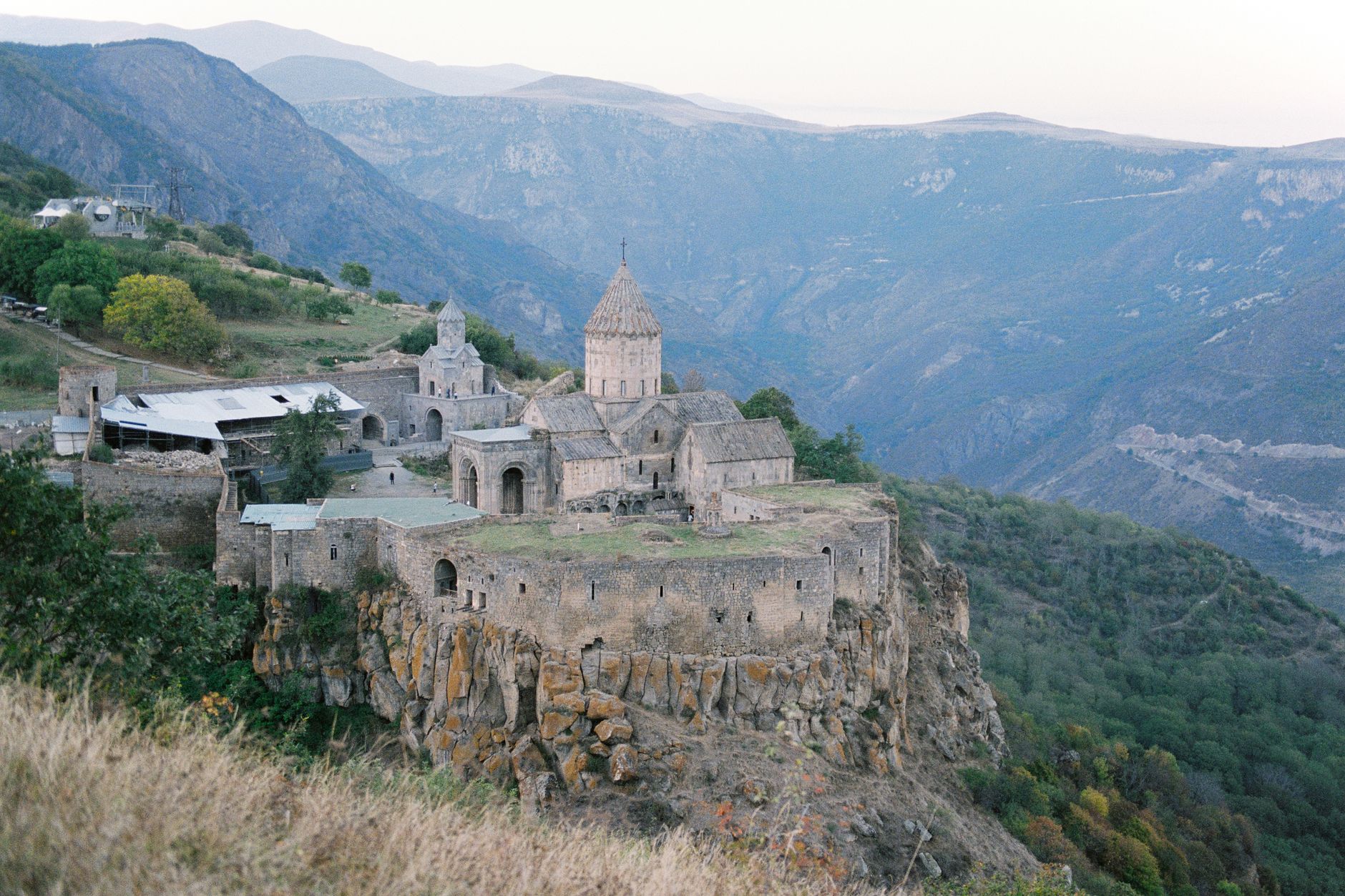
Day to day, though, it feels warm and welcoming rather than sombre. Yerevan, the capital, is a sociable city built largely from pink and apricot-toned tufa stone, with wide streets, leafy squares and a café culture that spills outdoors in warm months. Outside the city, life is slower and more rural, and hospitality is genuine and sometimes overwhelming.
Where to go
Yerevan suits first-time visitors and anyone who likes a city with cafés, museums, markets and easy access to day trips. From here you can reach several of the country's best-known monasteries and sites without staying overnight elsewhere.

Lake Sevan, a large highland lake, is a summer draw for its cool air and open water, and works well for a short break from the capital. The Dilijan area, further north, is forested and green, popular with walkers and people who want something softer than the arid south.
The south, toward Tatev and the Syunik region, is for travellers willing to spend more time on the road. The landscape is dramatic, the monasteries feel genuinely far-flung, and the drives themselves are part of the appeal. Gyumri, the second city, has a distinct character and handsome old quarters, and rewards anyone curious about Armenian life beyond the capital.
Getting around Armenia is easiest with your own wheels, so it is worth hiring a car for a few days — and you will find somewhere to stay to suit most budgets.
When to go
Late spring and early autumn are the most comfortable times. In May and June the countryside is green and the weather mild; September and October bring harvest, warm days and cooler evenings, and are good for both eating and walking.
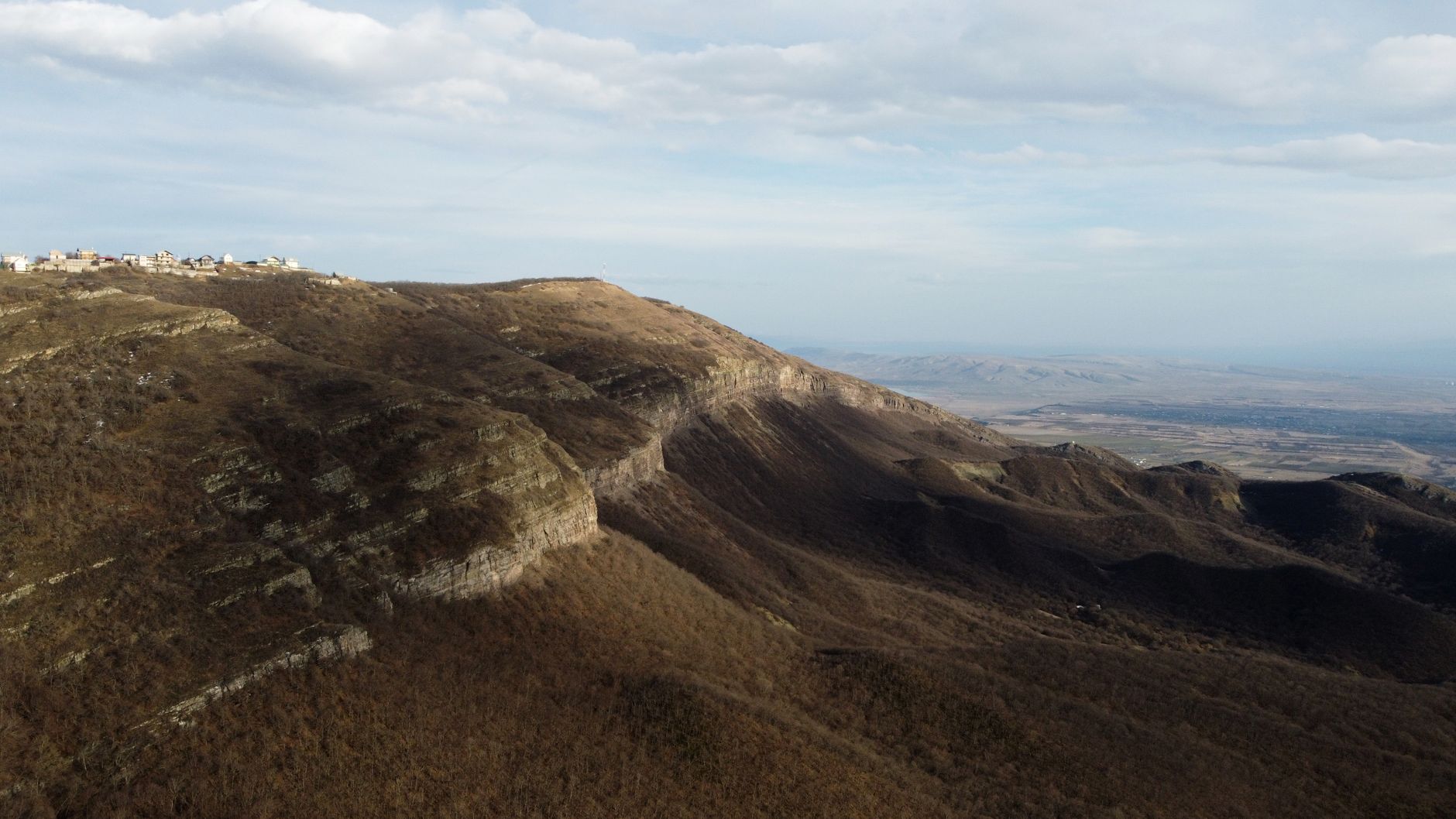
Summer can be genuinely hot on the plains around Yerevan, though the mountains and lake stay cooler and offer relief. Winter is cold, and higher areas get real snow, which closes some mountain roads but makes the monasteries especially atmospheric. If you come in winter, plan around the possibility that remoter sites are hard to reach.
What first-timers get wrong
Many people underestimate distances and road conditions. Journeys that look short on a map can take longer than expected because of mountain terrain, so it pays not to overpack a daily itinerary. Renting a car gives freedom, but hiring a driver for longer trips is common and often easier.
Another mistake is treating Armenia as a quick add-on to a wider trip. It rewards slowing down. Cash is useful outside the capital, and while you can get by without the language, learning to read the distinctive Armenian alphabet even a little makes navigating easier.
Food worth seeking out
Armenian cooking leans on fresh herbs, grilled meats, bread and dairy. Look for khorovats, the barbecued meat that anchors most gatherings, and lavash, the thin flatbread baked in a clay oven. Dolma, vegetables or leaves stuffed with rice and meat, appears everywhere, as does fresh cheese and abundant summer produce.
Apricots and pomegranates are more than clichés here; they turn up in markets, sauces and drinks. Armenia also has a long winemaking tradition and a well-known brandy, both worth trying at the source rather than reading about.
