

 pierre matile / Pexels
Albania: what to see and when to go
· Captain Cheap
Albania spent decades sealed off from the rest of Europe, and it still carries a reputation shaped by that isolation: poor, chaotic, vaguely risky. The reality most visitors find is a country of genuine warmth, dramatic mountains and a coastline that looks a lot like Croatia or southern Italy did a generation ago, before the crowds arrived. It is one of the last corners of the Mediterranean that still feels unpolished, and that is the whole appeal.
What it's actually like
Albania is friendlier and easier than its reputation suggests. People are quick to help, curious about visitors, and often speak some English or Italian, particularly younger people. The landscape does most of the heavy lifting: a short country geographically, but with a lot packed in, from Ottoman-era towns to high limestone peaks to long stretches of clear Ionian and Adriatic sea.

What surprises people is the layering of history. You'll see concrete bunkers left from the communist era scattered across fields and beaches, mosques and Orthodox churches on the same street, and Italian and Greek influences in the food and habits near the borders. Infrastructure is uneven. Cities can feel busy and unplanned, roads range from smooth to potholed, and things don't always run to a fixed schedule. Treat that as part of the texture rather than a problem and the country opens up.
Where to go
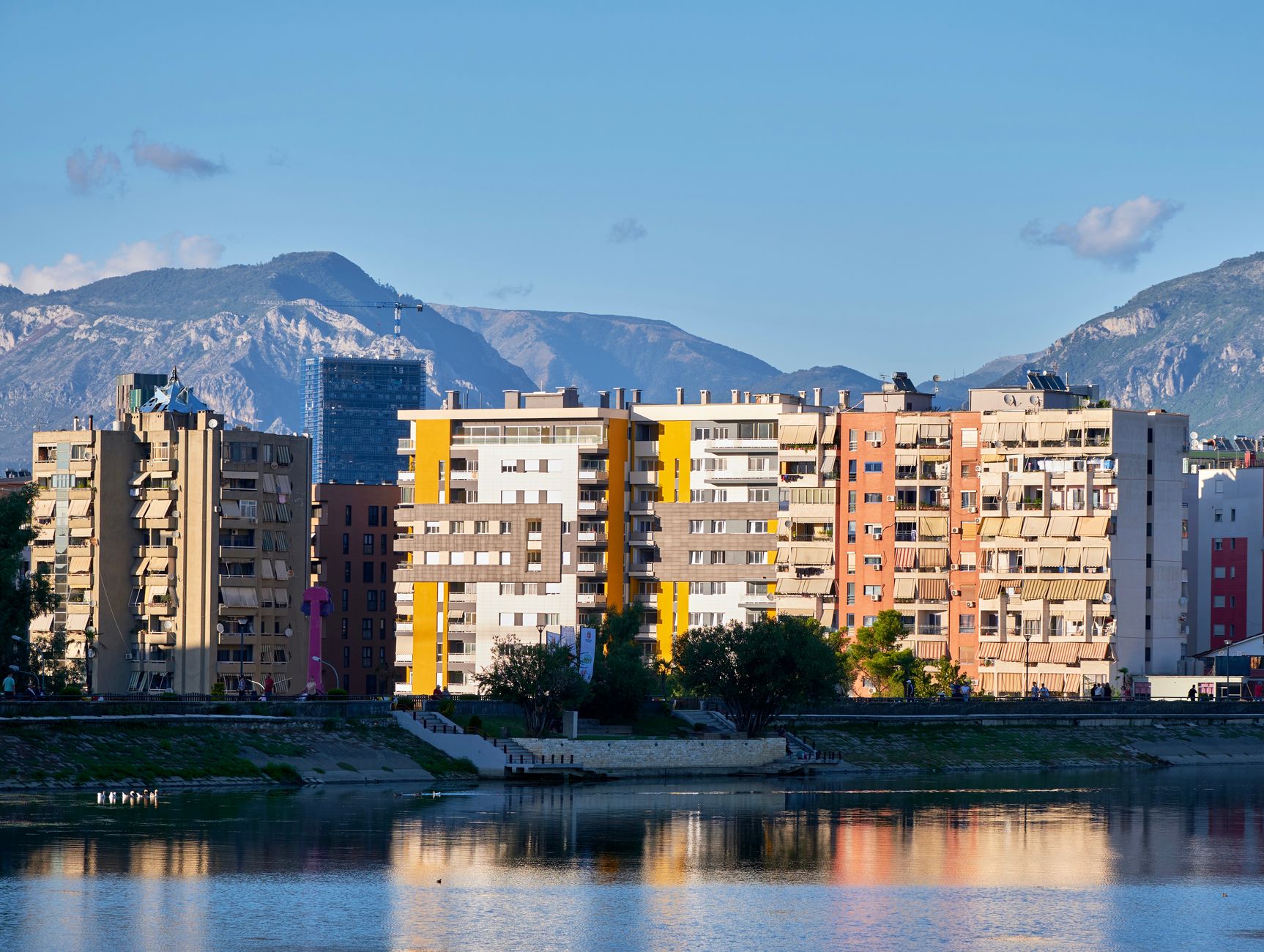
Tirana, the capital, is worth a couple of days. It is loud, colourful and rapidly changing, with painted apartment blocks, a lively café culture and good museums covering the communist period. It suits people who like cities with rough edges and energy rather than polish.

The south is where most first-timers fall in love. The coastline along the Ionian, often called the Albanian Riviera, runs past villages like Himarë and Dhërmi and the beaches near Ksamil. Sarandë is the main southern hub. Inland, Gjirokastër and Berat are the two great Ottoman towns, both stone-built and stacked up hillsides, ideal for slower travel and wandering.
For mountains, head north to the Albanian Alps around Theth and Valbona. The valley-to-valley hike between them is the classic walk, best for reasonably fit people who want scenery and simple guesthouse stays. Shkodër, near the Montenegrin border, makes a good gateway to the north and has an easygoing lakeside feel.
Getting around Albania is easiest with your own wheels, so it is worth hiring a car for a few days — and you will find somewhere to stay to suit most budgets.
When to go
Summer is hot and the coast gets genuinely busy in the peak weeks, with Albanian and regional holidaymakers filling the beaches. If sea and swimming are the point, that's the season, but expect heat and crowds in the popular southern spots.

Late spring and early autumn are the sweet spot. The weather is warm without being punishing, the coast is calmer, and the interior towns are pleasant to walk. The mountain hiking season runs through the warmer months; the high passes are not sensible in winter, when the north gets snow and some guesthouses close. Winters elsewhere are mild along the coast but grey and wet inland.
What first-timers get wrong
Many people underestimate travel times. Distances look small, but mountain roads are slow and winding, so plan fewer places and more time in each. Public transport runs largely on shared minibuses called furgons, which don't always keep fixed timetables; ask locally rather than expecting posted schedules. Carry cash, as cards aren't accepted everywhere once you leave the cities. Driving yourself is doable but demands patience and defensive habits. And don't try to cram both the far north and the deep south into a short trip; pick one.
Food worth seeking out
Albanian food leans Mediterranean and Balkan, built on grilled meat, fresh vegetables, good olive oil and dairy. Look for byrek, a flaky pastry filled with cheese, spinach or meat, sold everywhere as a cheap snack. Tavë kosi, lamb baked with yoghurt and eggs, is the closest thing to a national dish. On the coast, seafood is simple and excellent. Fresh feta-style cheese, honey and strong coffee turn up constantly, and rakia, the local fruit spirit, is offered generously and often homemade.