

 Magnus Martinsen / Pexels
Sweden: what to see and when to go
· Captain Cheap
Sweden is long, quiet, and more varied than its reputation for cold and reserve suggests. People arrive expecting endless snow and expensive silence, and find, depending on the season, either bright forests and swimmable lakes or a genuinely dark, candlelit winter. The country runs for a very long way from north to south, so a single trip rarely captures both the farmland of the south and the reindeer country of the far north. It pays to pick a part of it and go deep rather than trying to see everything.
What it's actually like
The cliché of Swedish coldness is mostly about manners, not warmth. People give you space, don't chat on public transport, and won't crowd you in a queue, but they're helpful and almost universally speak good English. Things work: trains run, timetables mean something, tap water is excellent, and card and phone payments are accepted almost everywhere, sometimes to the point where cash is genuinely awkward.
The bigger surprise for visitors from the Balkans is the scale of the emptiness. Once you leave the cities, forest and water take over, and towns can be small and far apart. Nature is not fenced off. The right of public access, allmansrätten, lets you walk, camp and pick berries across most uncultivated land, as long as you keep your distance from homes and leave no trace. It shapes how Swedes spend their free time and it's one of the best reasons to go.
Where to go
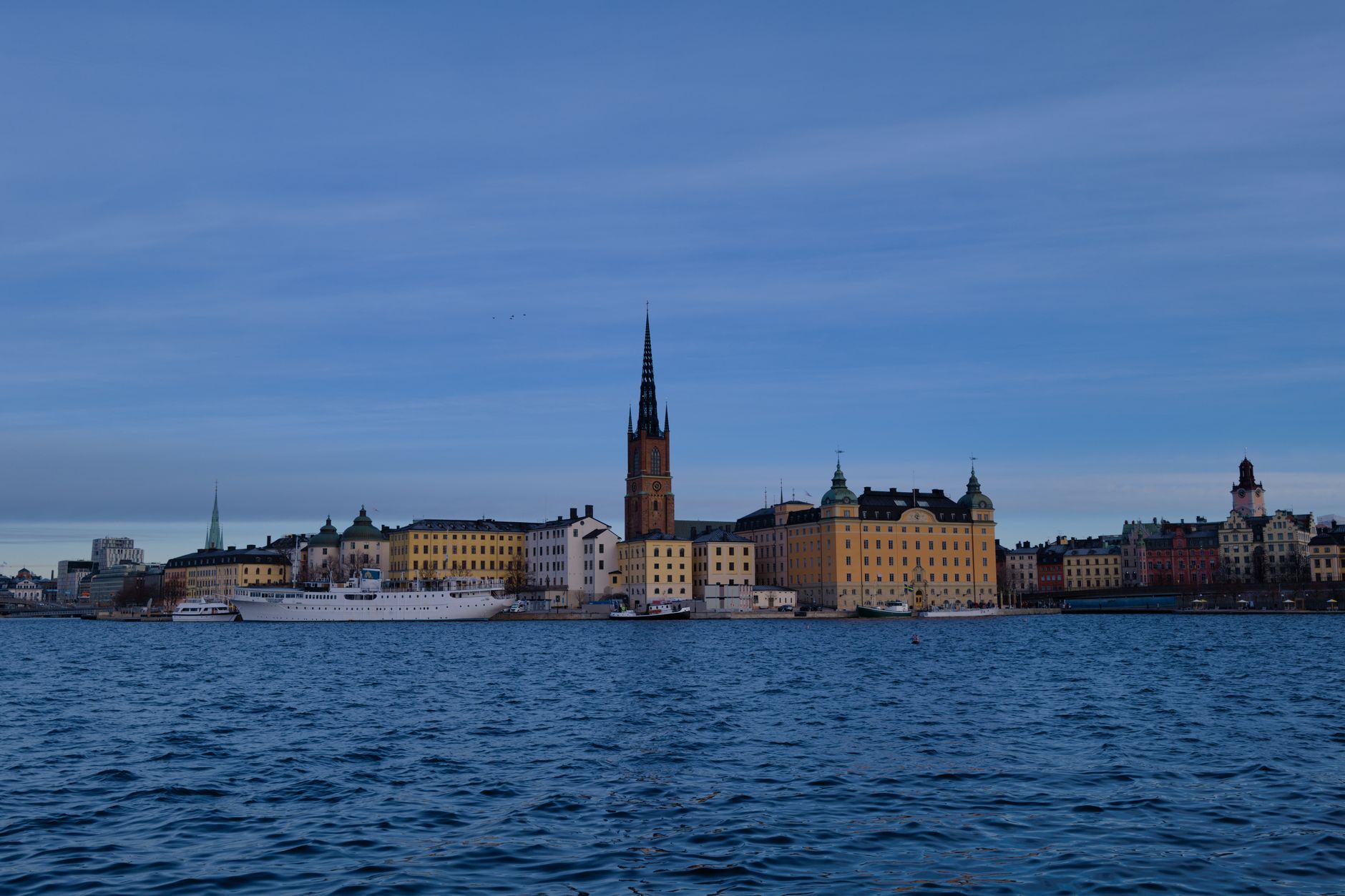
Stockholm spreads across islands where the lake meets the sea. Gamla Stan, the old town, is the postcard part, but the city is better felt in neighbourhoods like Södermalm, on the ferries, and in its many museums. It suits first-timers and anyone who likes a walkable capital with water at every turn.
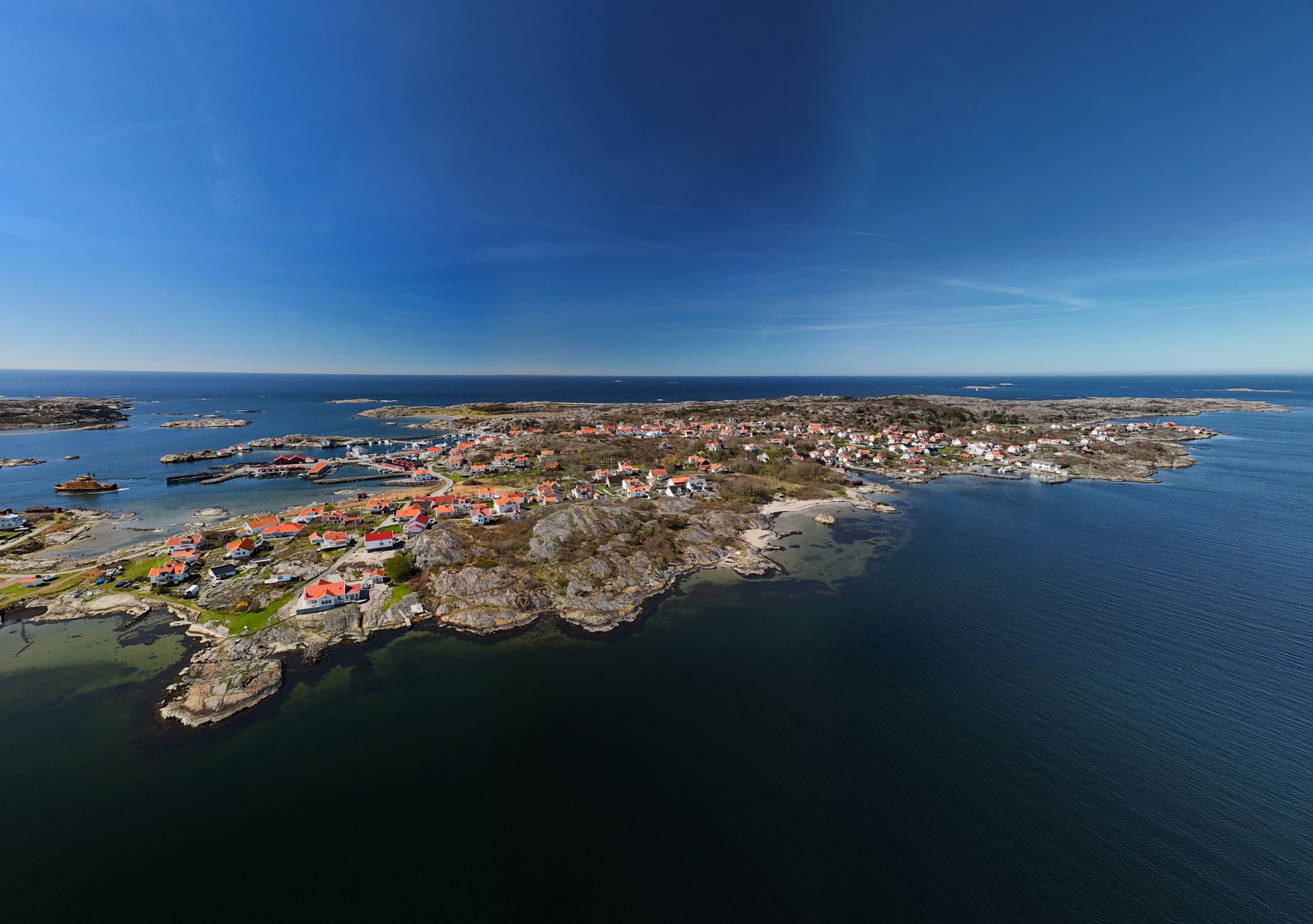
Gothenburg, on the west coast, is lower-key and friendlier in feel, with a strong café culture and access to a rocky archipelago of fishing villages and seafood. Good for a slower city break.
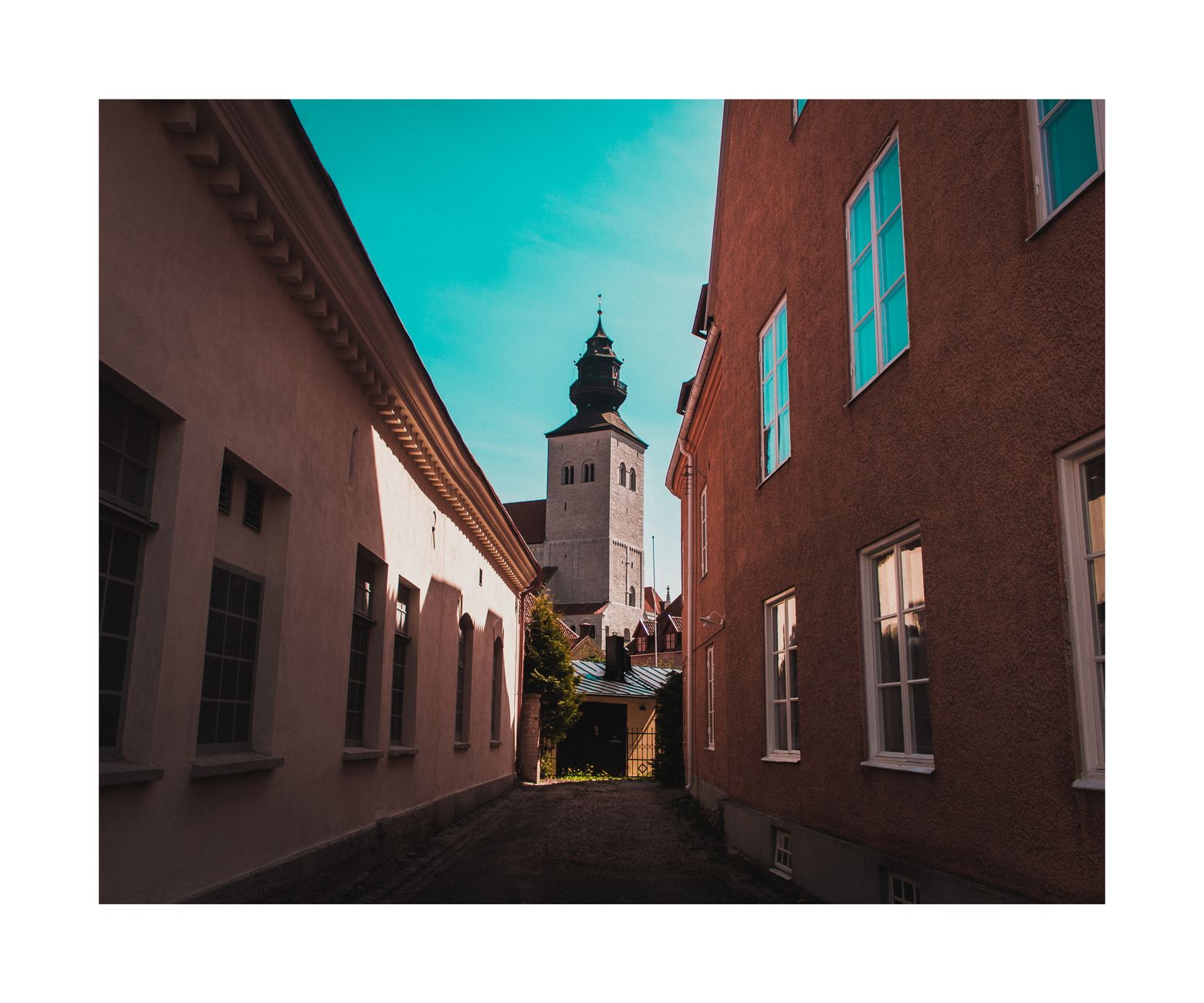
The south, Skåne, is flatter, agricultural and mild, with Malmö close to the Danish coast and easy cycling country around it. Gotland, the Baltic island, has medieval Visby and long summer light, and fills with Swedes on holiday.
The north, Swedish Lapland, is where you go for wilderness: the midnight sun in summer, the northern lights and snow in winter, hiking trails like the Kungsleden, and Sami culture around Kiruna and Abisko. It rewards people who actually want to be outdoors.
When to go
Summer is the easy answer and the one most locals live for: long days, mild warmth, open-air swimming, and a country that visibly relaxes. Far north, the sun barely sets. The trade-off is that many Swedes take their own holidays then, and some businesses in smaller places close while owners disappear to summer cabins.
Autumn brings colour to the forests and thinner crowds. Winter is dark and genuinely cold, more so the further north you go, but it's also when Sweden is most atmospheric, with snow, candlelight and Christmas markets. Spring comes late and can be grey before it turns, but the light returning is a real event.
What first-timers get wrong
Many underestimate the distances and try to combine Stockholm with the far north on a short trip. Choose one region. People also underdress for the wind and the sudden shifts in weather, even in summer; bring layers and something waterproof. Don't expect late nights and boisterous dining out as standard, and don't rely on cash. Book ahead for popular places in the summer peak, and remember alcohol stronger than weak beer is sold only through the state shops, Systembolaget, which keep limited hours.

Food worth seeking out
Look beyond meatballs. Seek out fresh and cured seafood, especially on the west coast, pickled and smoked herring, and gravlax. Try knäckebröd with strong cheese, cinnamon and cardamom buns, and the ritual of fika, coffee with something sweet, which is a real part of the day. In the north, reindeer and cloudberries are worth trying.
Book the trip
Some of these are affiliate links. If you book through them we may earn a commission, at no extra cost to you. It does not affect which deals we post.
Airport transfer
A fixed-price car meeting you at arrivals, worth it when the deal lands at 2am and the buses have stopped.
Check Kiwitaxi →Staying connected
A travel eSIM avoids roaming charges and activates before you land.
Check Airalo →Delayed or cancelled?
EU rules can owe you up to €600 for a long delay or cancellation. AirHelp files the claim and takes a cut only if it wins.
Check AirHelp →Things to do there
Attraction tickets, day trips and airport express passes, usually cheaper booked ahead than at the gate.
Check Klook →If this fare is gone
Kiwi combines airlines that do not normally sell through tickets together, so it often finds routings the others miss.
Check Kiwi.com →