

 Valentin Ivantsov / Pexels
France: what to see and when to go
· Captain Cheap
France is large and varied enough that "going to France" barely means anything until you decide which France you mean. The country people picture from films—Paris cafés, lavender fields, Riviera beaches—all exists, but it sits alongside industrial northern cities, wet Atlantic coastlines, volcanic uplands and mountain regions that feel closer to Switzerland than to any postcard. Coming from the Balkans, the first surprise is often the scale and the sense of a country that has organised itself thoroughly, sometimes to the point of rigidity.
What it's actually like
The cliché of French rudeness is mostly a misunderstanding of formality. A greeting when you enter a shop, a "bonjour" before a question, matters here in a way it doesn't in more casual cultures. Skip it and you may get the coldness people complain about. Attempt even broken French and the atmosphere usually warms.

France runs on structure. Lunch is a real pause, and outside big cities many shops and restaurants genuinely close in the early afternoon. Kitchens stop serving between meals, so turning up hungry at four in the afternoon can leave you with limited options. Sundays are quiet almost everywhere. None of this is unfriendliness; it's just a rhythm you either plan around or fight against.
Regions worth your time
Paris deserves its reputation but rewards slow wandering more than monument-ticking. Give yourself time to sit in neighbourhoods like the Marais or the streets around Canal Saint-Martin rather than sprinting between landmarks.
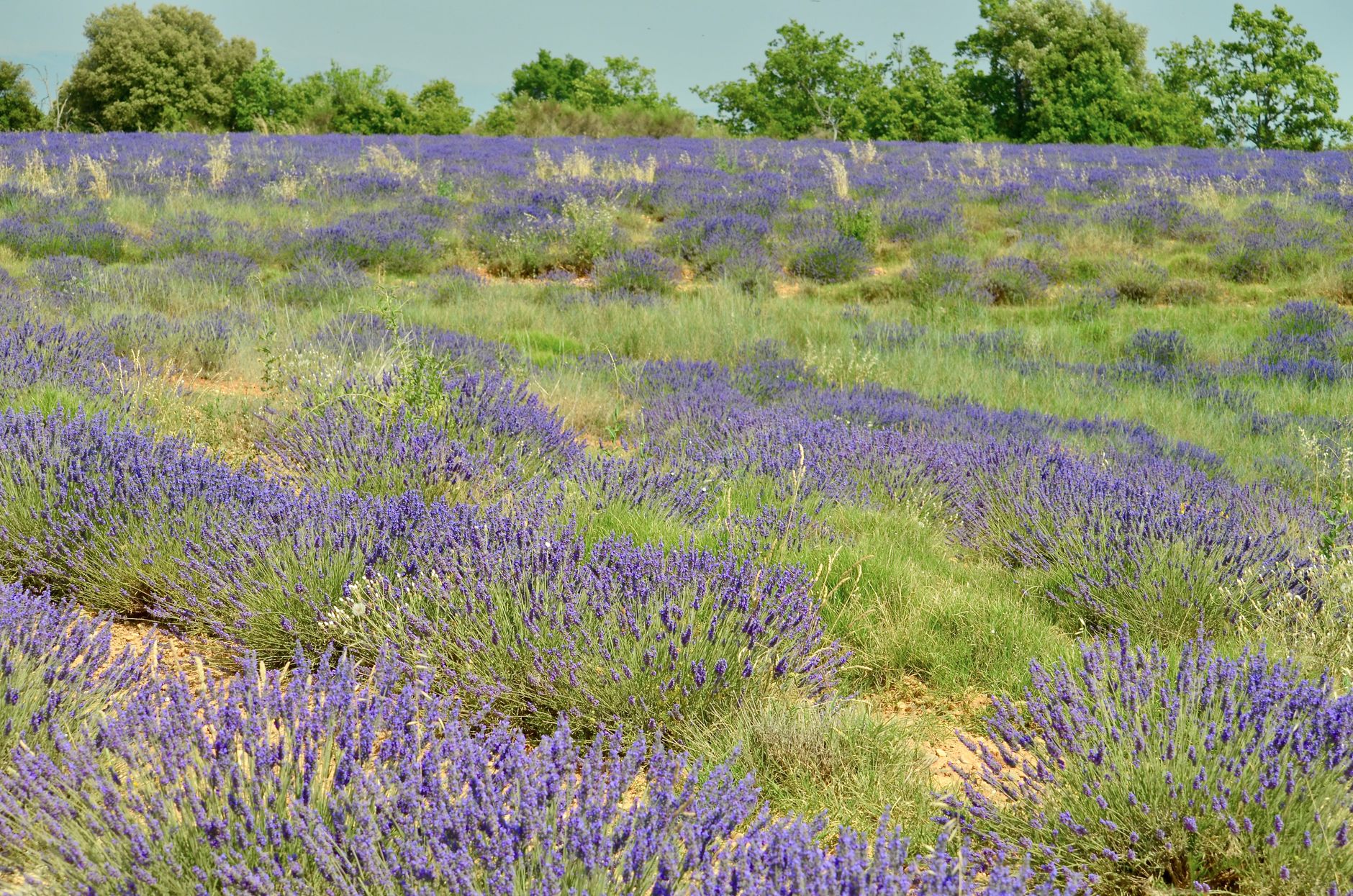
Provence and the south suit anyone who wants light, markets, stone villages and heat. Aix-en-Provence, the Luberon villages and the Camargue each offer a different version of it. The Riviera towns—Nice, Antibes, Menton—are busier and more built-up than the brochures suggest, but Nice makes a good, walkable base.
The Alps are for hikers and skiers, with Chamonix and Annecy as obvious entry points. Annecy in particular, with its lake and old town, works well even for people who don't ski.
Brittany and Normandy in the northwest are cooler, greener and more weathered, with dramatic coastlines, seafood and the war-history sites of the D-Day beaches. This is a different France entirely from the sunlit south.
Alsace, near the German border, has half-timbered towns, its own wine culture and a Franco-German character that surprises first-timers. Lyon, between Paris and the south, is the place to go if food is your main reason for travelling.
When to go
Late spring and early autumn are the easiest seasons: warm enough, and without the crush of high summer. July and August are hot in the south and crowded everywhere worth visiting, and many French people take long holidays then, which empties some cities and packs the coasts.

Winter is grey and damp across much of the country, but it's the season for the Alps and for a quieter, atmospheric Paris. The Atlantic and northern coasts are unpredictable year-round—pack for rain even in summer.
What first-timers get wrong
Many people try to combine Paris, the Riviera and the Alps in a single short trip and spend most of it in transit. The country is bigger than it looks on a map; pick one or two regions.

They also underestimate how spread out the sights are and how useful the train network is between cities, while a car is almost essential for exploring rural areas like Provence or the Dordogne. Relying on English everywhere is another mistake—it's common in Paris and tourist centres, less so in villages and small towns.
Food worth seeking out
Beyond the famous dishes, eat regionally. In Lyon, look for the small traditional restaurants called bouchons and their hearty, offal-friendly cooking. In Brittany, seek out galettes—savoury buckwheat crêpes—and fresh oysters. Alsace does choucroute and flammekueche, a thin tart topped with cream, onion and bacon.
Bakeries reward you everywhere, and a simple lunch of bread, cheese and charcuterie from a market often beats a mediocre restaurant. Cheese counters are worth engaging with rather than fearing—asking for a recommendation is entirely normal, and usually the best way to eat well cheaply.
Book the trip
Some of these are affiliate links. If you book through them we may earn a commission, at no extra cost to you. It does not affect which deals we post.
Airport transfer
A fixed-price car meeting you at arrivals, worth it when the deal lands at 2am and the buses have stopped.
Check Kiwitaxi →Staying connected
A travel eSIM avoids roaming charges and activates before you land.
Check Airalo →Delayed or cancelled?
EU rules can owe you up to €600 for a long delay or cancellation. AirHelp files the claim and takes a cut only if it wins.
Check AirHelp →Things to do there
Attraction tickets, day trips and airport express passes, usually cheaper booked ahead than at the gate.
Check Klook →If this fare is gone
Kiwi combines airlines that do not normally sell through tickets together, so it often finds routings the others miss.
Check Kiwi.com →