

 levan simonshvili / Pexels
Georgia: what to see and when to go
· Captain Cheap
Georgia sits at the seam between Europe and Asia, and it feels like both and neither. People arrive expecting a small, obscure post-Soviet country and leave surprised by the scale of the mountains, the age of the churches, and the sheer insistence of Georgian hospitality. It is a place where a stranger can turn into a host over dinner, where wine has been made for thousands of years, and where the landscape shifts from subtropical coast to glacier in the span of a day's drive.
What it's actually like
The first thing to adjust is your sense of size. Georgia is compact on a map but slow to cross, because the terrain does not cooperate. Roads wind, mountains interrupt, and a distance that looks trivial can eat half a day. This is a feature, not a flaw: it means regions stay distinct, with their own dialects, cheeses, and wines.
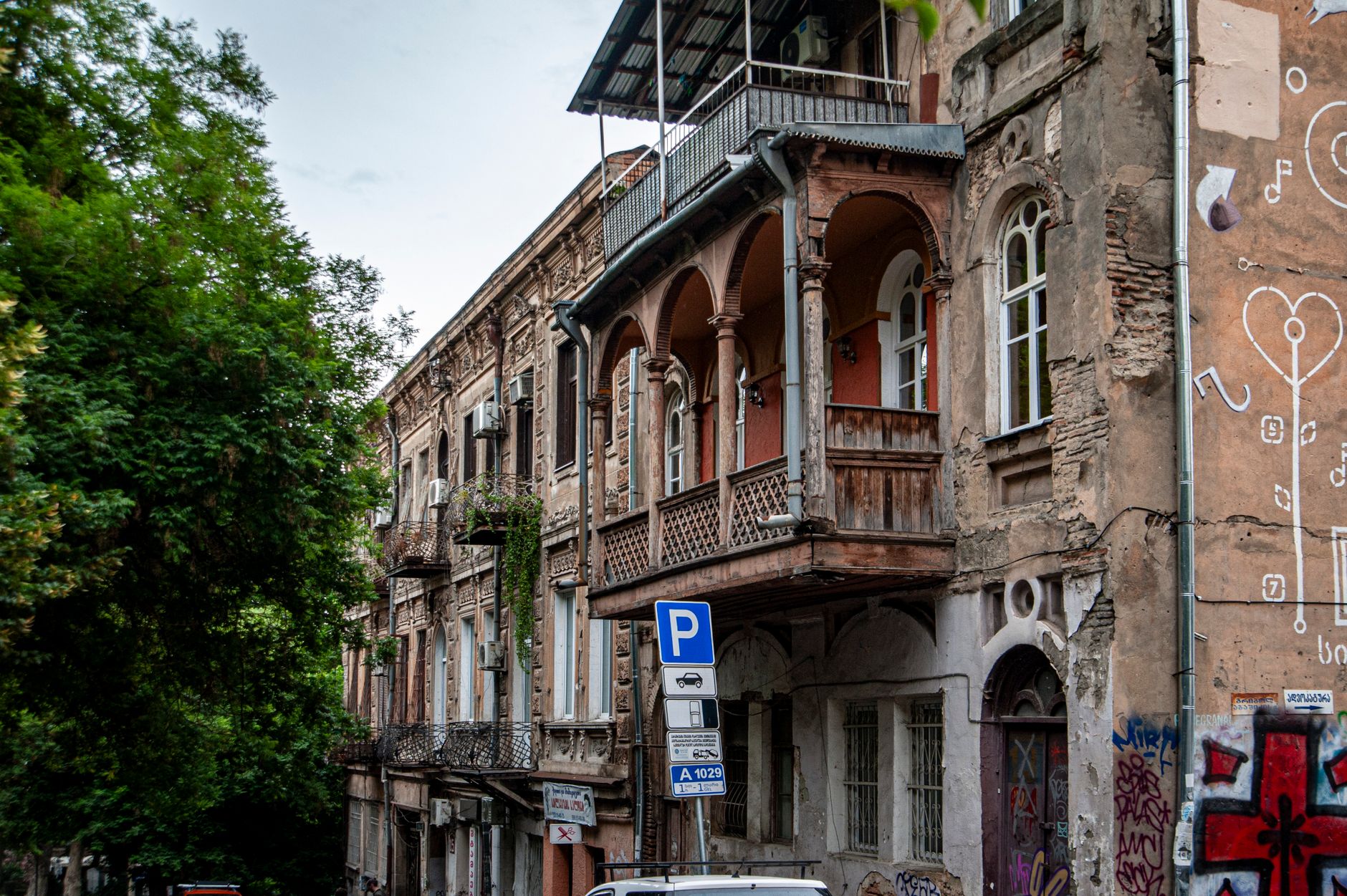
The Soviet past is visible but not dominant. You'll see concrete apartment blocks and grand, crumbling sanatoriums, but they sit alongside medieval watchtowers, cobbled old towns, and a religious tradition that predates most of Europe's. Orthodoxy runs deep here, and churches are working places of worship rather than museums. Cover your shoulders, and women may want a scarf.
Georgians are direct, warm, and generous to a degree that can catch Balkan visitors off guard even though the instinct is familiar. A meal offered is not a formality. The supra, the traditional feast led by a toastmaster called a tamada, is the clearest expression of this, and being pulled into one is a real possibility.
Where to go
Tbilisi, the capital, is the obvious base and rewards a few unhurried days. The old town tangles up sulphur bathhouses, wooden balconies, and steep lanes, while newer districts carry a scruffy creative energy of galleries, wine bars, and late-night courtyards. It suits people who like cities that haven't been polished smooth.

For mountains, Kazbegi (Stepantsminda) is the accessible choice, with the famous hilltop church set against a huge peak. Svaneti, further and harder to reach, is wilder and more medieval, full of stone towers and serious hiking for those willing to commit to the journey. Both suit walkers and anyone chasing dramatic landscape.
Kakheti, in the east, is wine country: rolling vineyards, monasteries, and cellars where wine still ferments in buried clay vessels called qvevri. It suits slow travel and long lunches. On the Black Sea, Batumi is brash and modern, a summer resort with palm trees and casinos, backed by green subtropical hills. Kutaisi and the surrounding region offer caves, canyons, and older, quieter towns.
When to go
Late spring and early autumn are the most forgiving. May and June bring green hills and wildflowers before the summer heat settles in; September and October give warm days, the grape harvest, and clearer mountain air. Summer is hot and humid on the coast and in the lowlands, though the high mountains stay comfortable and are only truly accessible in the warmer months. Winter is cold, snowy in the highlands, and turns Tbilisi grey and damp, though it opens up skiing at resorts like Gudauri and Bakuriani.

What first-timers get wrong
Many people underestimate travel times and try to see too much. Two or three regions done properly beat a frantic loop. Cash is still useful outside the cities, so don't rely entirely on cards. Marshrutkas, the shared minibuses, are the backbone of local transport, cheap and frequent but cramped and driven with conviction. And pace your drinking at a supra: the toasts keep coming, and the wine and chacha, a strong grape spirit, are stronger than they taste.

Food worth seeking out
Georgian food alone justifies the trip. Khachapuri, cheese-filled bread, comes in regional forms, the Adjarian version a boat topped with egg and butter. Khinkali are hefty soup dumplings you grip by the twisted top. Look for walnut-heavy dishes like pkhali, smoky grilled meats, badrijani (aubergine rolls with walnut paste), and the amber, skin-contact wines that Georgia does like nowhere else.
Book the trip
Some of these are affiliate links. If you book through them we may earn a commission, at no extra cost to you. It does not affect which deals we post.
Airport transfer
A fixed-price car meeting you at arrivals, worth it when the deal lands at 2am and the buses have stopped.
Check Kiwitaxi →Staying connected
A travel eSIM avoids roaming charges and activates before you land.
Check Airalo →Delayed or cancelled?
EU rules can owe you up to €600 for a long delay or cancellation. AirHelp files the claim and takes a cut only if it wins.
Check AirHelp →Things to do there
Attraction tickets, day trips and airport express passes, usually cheaper booked ahead than at the gate.
Check Klook →If this fare is gone
Kiwi combines airlines that do not normally sell through tickets together, so it often finds routings the others miss.
Check Kiwi.com →