

 LIZHI LIANG / Pexels
Belgium: what to see and when to go
· Captain Cheap
Belgium tends to get treated as a stopover rather than a destination, a place you pass through between Paris and Amsterdam. That undersells it. This is a small, dense country where a train ride of under an hour takes you from a bilingual capital to a medieval cloth town, and where the pleasures are quieter than headline sights: a square at dusk, a glass of something you've never heard of, a plate of chips done properly. It rewards people who slow down.
What it's actually like
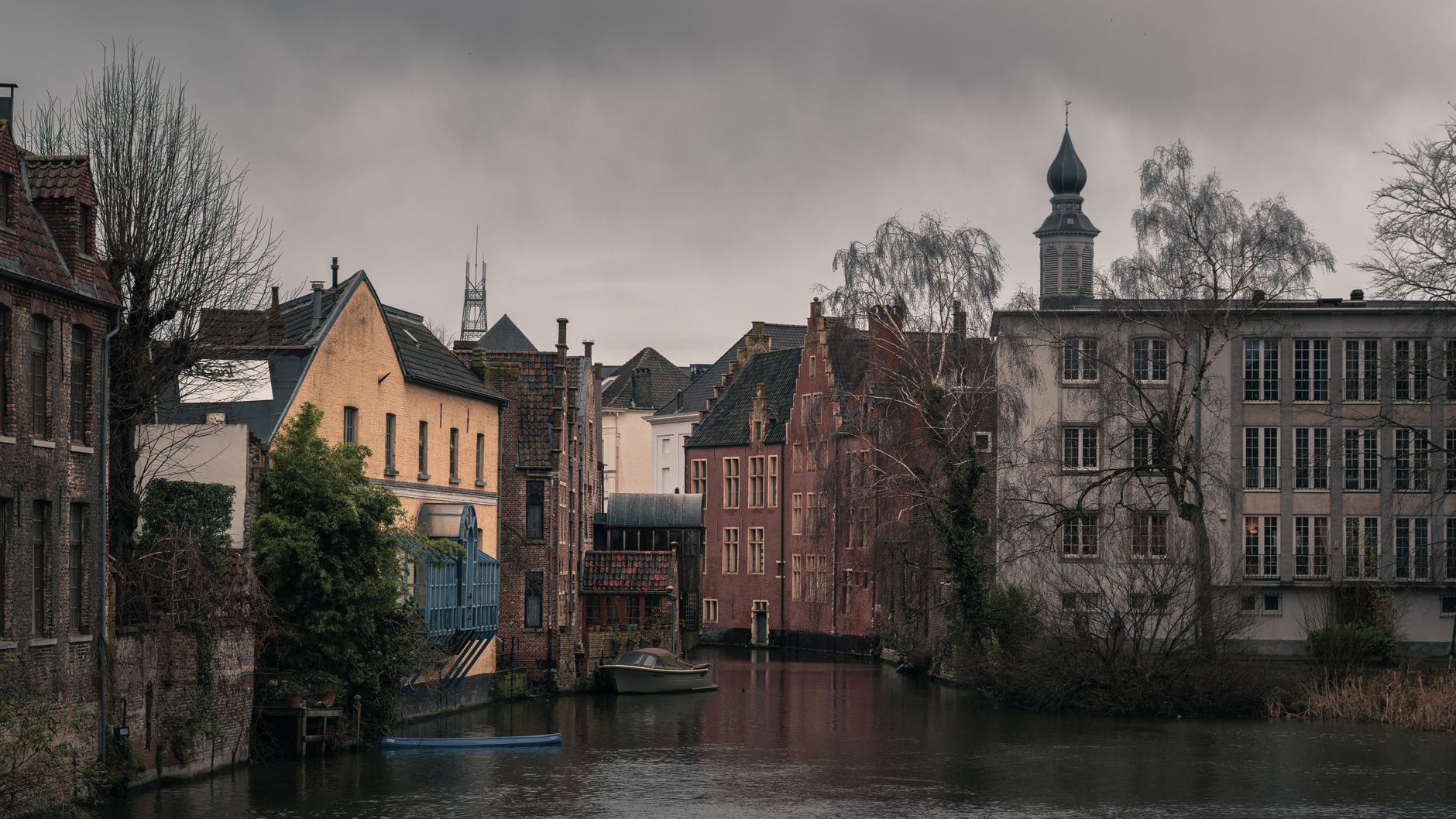
Belgium is split, and the split matters. The north, Flanders, speaks Dutch; the south, Wallonia, speaks French; Brussels sits in the middle, officially bilingual and internationally minded. These aren't just linguistic labels. Flemish cities feel orderly and trim, with gabled houses and canals; Wallonia is greener, hillier and more worn at the edges. People are generally reserved and understated, less performative than in southern Europe, and it takes a little time to warm to them.
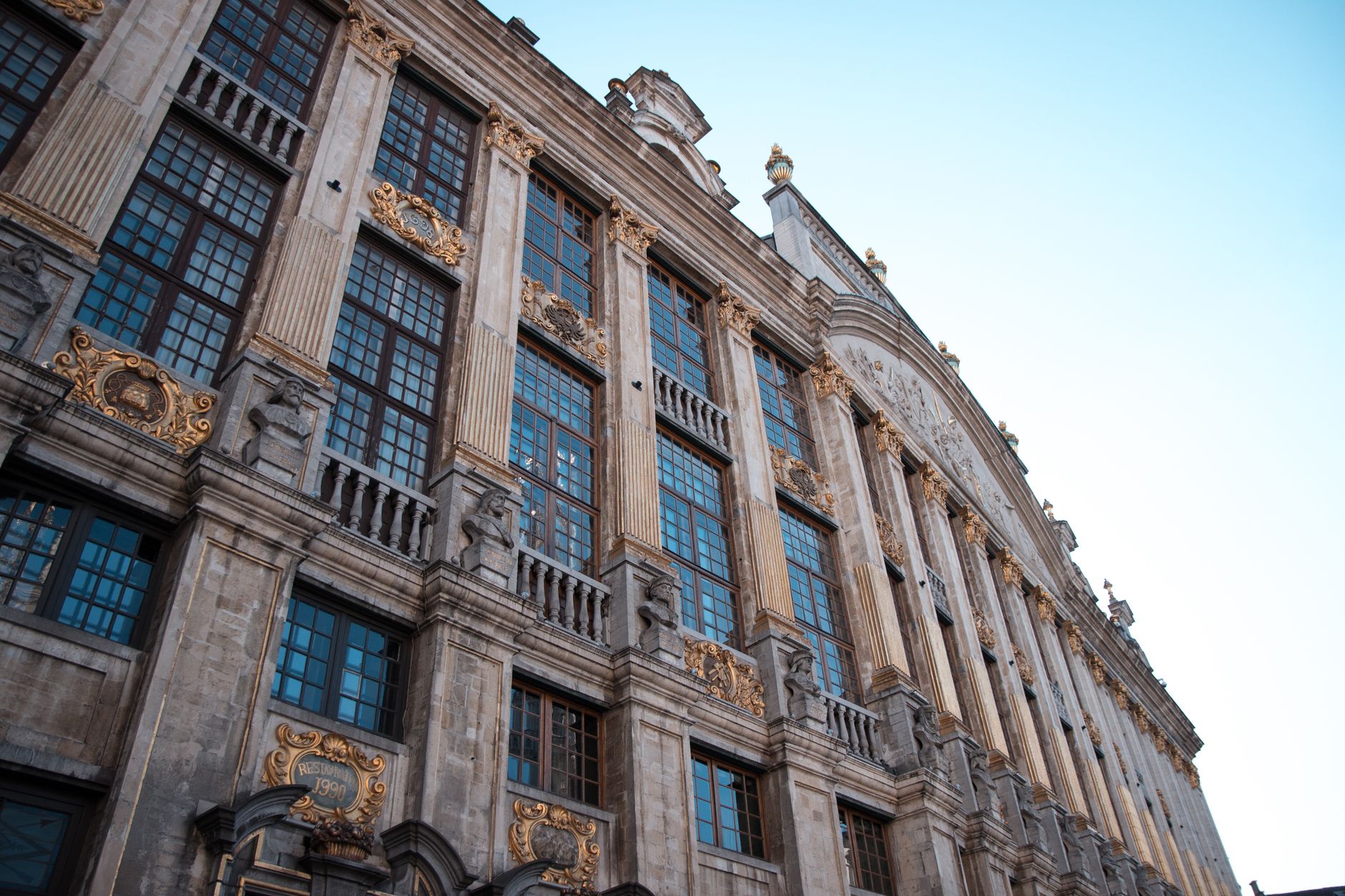
The other thing to know is that Belgium is flat, compact and very walkable in its cities, and that the weather does a lot of the emotional work. On a grey day the brick and cobbles can feel heavy; on a clear one the same streets look luminous. Expectations built on postcards of Bruges miss how ordinary and lived-in most of the country is, which is part of the charm once you accept it.
Where to go
Brussels is worth more than the day most people give it. Beyond the Grand-Place, it's a city of neighbourhoods, Art Nouveau facades, secondhand markets and a genuinely international food scene. It suits people who like museums, browsing and eating without a rigid plan.

Bruges is the famous one, and deserves its reputation for beauty, though it fills with visitors and can feel like a set. Go, but consider staying overnight so you get the early and late hours when the crowds thin. Ghent, close by, offers similar canals and medieval architecture with a working university-town energy and better nightlife, and many travellers end up preferring it. Antwerp is the place for fashion, design, a great port-city swagger and a magnificent old centre.
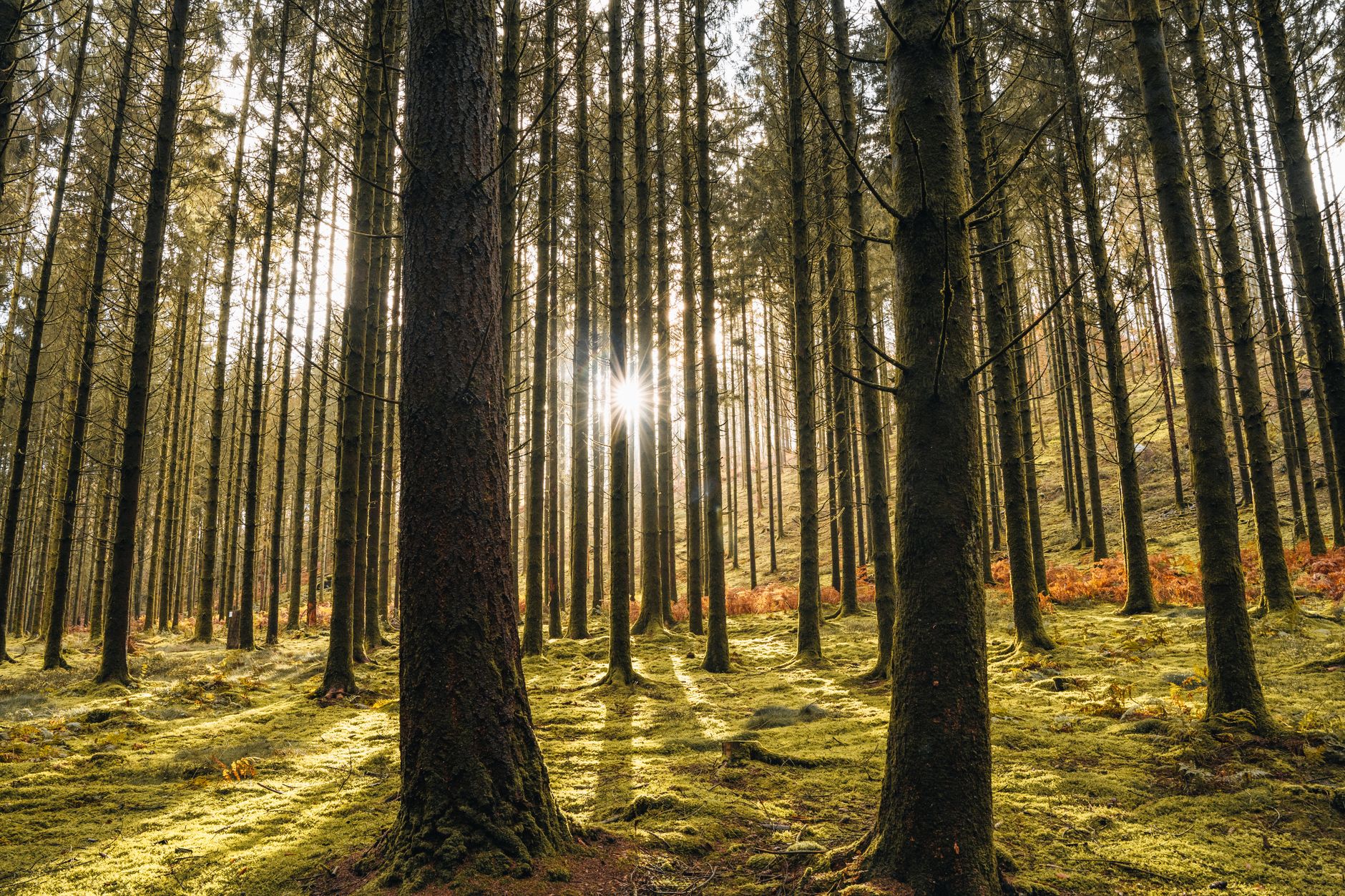
In the south, Wallonia is for walkers and people wanting quiet. The Ardennes have forests, rivers and small towns; the region around the Meuse valley and cities like Namur and Liège give you a different, more French-inflected Belgium. If you have limited time, base yourself in Flanders; if you want landscape and calm, head south.
When to go
Late spring through early autumn is the safe window, when days are long and the café terraces are open. Summer is mild rather than hot and can still throw rain at you, so pack for it either way. Autumn brings low light that flatters the architecture. Winter is cold, damp and dark, though the Christmas markets in the main cities are a real draw and the museums and cafés are made for grey afternoons. Whenever you come, expect rain to arrive without much warning and don't build a trip around guaranteed sunshine.
What first-timers get wrong
The commonest mistake is treating Belgium as a single day-trip from elsewhere and seeing only Bruges. The country is small enough that the train network makes several bases easy, so use it. People also underestimate the language sensitivity: default to English rather than guessing between French and Dutch, and you'll avoid awkwardness. Finally, don't over-schedule. Distances are short but the appeal is in lingering.
What to eat
Chips, first: they're a serious food here, twice-fried, eaten from a paper cone with mayonnaise or one of many sauces, and best from a standalone friterie. Moules-frites, mussels in a pot with those chips, is the classic sit-down meal. Look for stews like carbonnade flamande, beef slow-cooked in beer, and waterzooi, a creamy chicken or fish dish from Ghent.
Beer is the other pillar, and the range is vast: Trappist ales, sour lambics, blondes and browns, each with its own glass. Order what the place is known for rather than something familiar. Waffles differ by city, and the chocolate genuinely lives up to its name.
Book the trip
Some of these are affiliate links. If you book through them we may earn a commission, at no extra cost to you. It does not affect which deals we post.
Airport transfer
A fixed-price car meeting you at arrivals, worth it when the deal lands at 2am and the buses have stopped.
Check Kiwitaxi →Staying connected
A travel eSIM avoids roaming charges and activates before you land.
Check Airalo →Delayed or cancelled?
EU rules can owe you up to €600 for a long delay or cancellation. AirHelp files the claim and takes a cut only if it wins.
Check AirHelp →Things to do there
Attraction tickets, day trips and airport express passes, usually cheaper booked ahead than at the gate.
Check Klook →If this fare is gone
Kiwi combines airlines that do not normally sell through tickets together, so it often finds routings the others miss.
Check Kiwi.com →