

 Mehmet Turgut Kirkgoz / Pexels
Spain: what to see and when to go
· Captain Cheap
Spain rewards travellers who arrive without a fixed idea of what it is. People come expecting flamenco, bullfights and beaches, and find a country that changes character every few hundred kilometres, where a green rainy north sits within the same borders as a sun-cracked south, and where regions speak their own languages and guard distinct identities. It is bigger and more varied than most first-timers assume, and trying to see it all in one trip is the most common mistake.
What it's actually like
The stereotype of a hot, lazy, guitar-strumming country holds only in patches. Madrid sits high on a plateau and gets genuinely cold winters. The north Atlantic coast, from the Basque Country to Galicia, is lush, cool and often wet, closer to Ireland in mood than to a postcard beach. The interior is vast and empty, full of medieval towns that see few visitors.

What is broadly true is the rhythm of daily life. Meals happen late, shops and offices often close in the afternoon, and evenings stretch long. The country runs on a later clock than the Balkans, and fighting it only leaves you tired and eating alone in empty restaurants.
Regions worth your time
Madrid is a working capital rather than an open-air museum, dense with art collections, grand squares and neighbourhoods that come alive after dark. It suits people who like cities for their energy rather than their beaches.
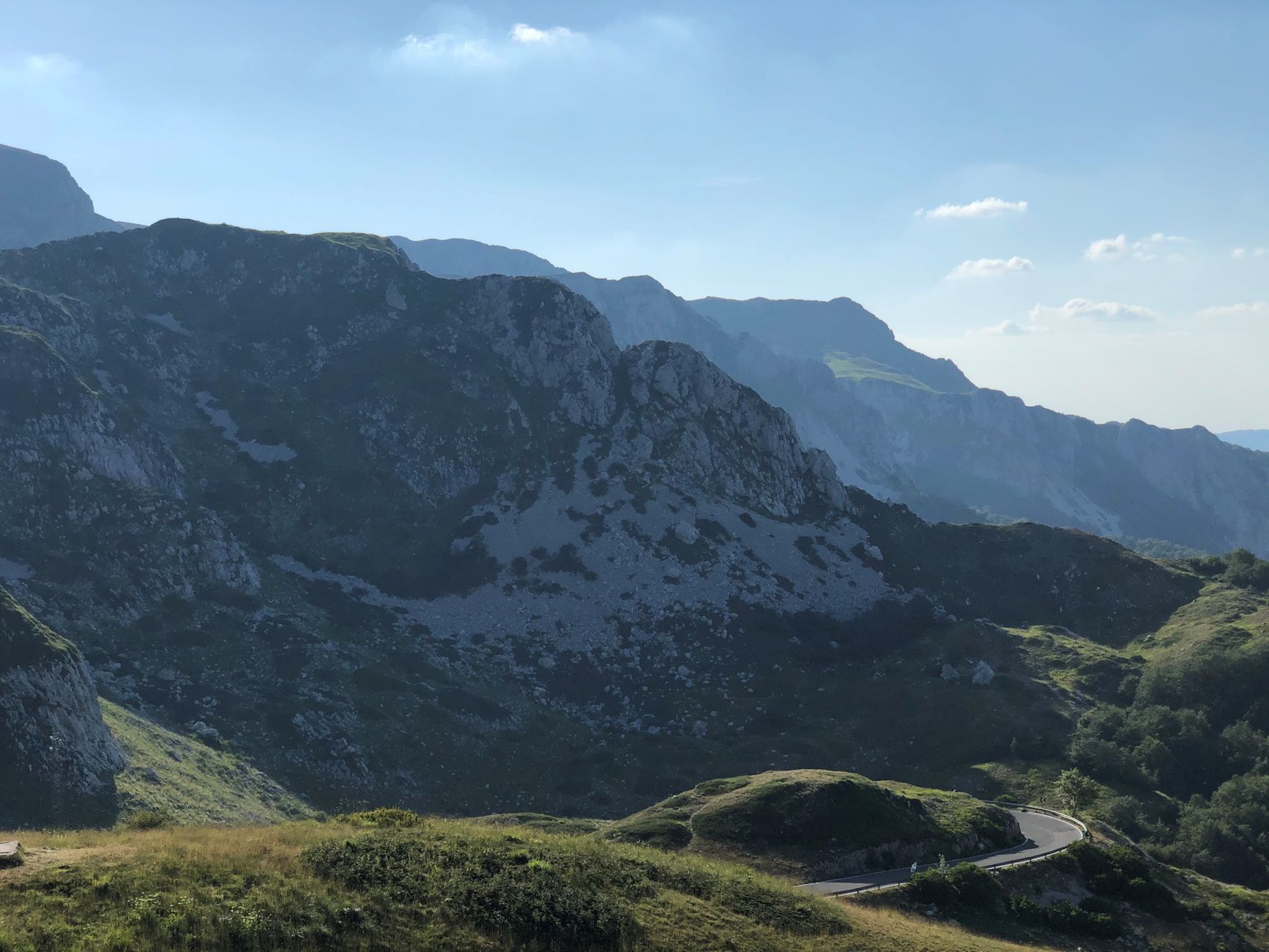
Barcelona and Catalonia draw the largest crowds, and for reason: the architecture, the sea, the food. But Barcelona can feel overrun in summer, and the smaller Catalan coast and inland towns offer the same character with more room to breathe.
Andalucía, in the south, is where the familiar images live: whitewashed villages, Moorish palaces in Granada and Córdoba, the sprawl of Seville. It is hot and atmospheric, best outside high summer.
The Basque Country and the north appeal to travellers after food, mountains and cooler weather. San Sebastián and Bilbao anchor a coastline of green hills and fishing towns, while inland lie the Picos de Europa and the Camino de Santiago's endless walking routes.
Valencia balances a big-city feel with beaches and the surrounding rice fields where paella actually comes from. It gets less attention than Madrid or Barcelona and is easier for it.
When to go
Spring and autumn are the sweet spots almost everywhere. April, May, late September and October give warm days without the crushing heat that grips the south in July and August, when inland cities like Seville and Córdoba can become genuinely uncomfortable.

Summer is best spent on the coasts or in the cooler north. Winter is mild along the Mediterranean and in the south, but cold in Madrid and the central plateau, and properly wet in Galicia. If you want cities without crowds, the shoulder seasons are worth planning around.
What first-timers get wrong
The single biggest error is underestimating distances and overpacking the itinerary. Spain is large, and hopping between Barcelona, Madrid, Seville and the north in a week means spending the trip in transit. Pick a region and go deeper.

The second is eating at the wrong times. Turning up for dinner at seven means empty rooms and kitchens not yet open. Lunch is the larger meal for many Spaniards, and it happens well into the afternoon.
The third is treating Spain as one culture. Assuming everyone identifies as simply "Spanish", or that Catalan or Basque are dialects rather than languages, misreads the country. A little awareness goes a long way.
Food worth seeking out
Tapas culture varies by region, and in some places small plates come free with a drink while in others you order and pay. In the Basque Country, look for pintxos laid along the bar. Paella belongs to Valencia and is a lunch dish, not the tourist-menu default served everywhere.
Seek out jamón, good regional cheeses, and the seafood of the northern coasts, which is exceptional. In Andalucía try gazpacho and salmorejo in the heat. And order the local wine rather than reaching for a familiar name; Spain's regional wines are one of its quiet pleasures.
Book the trip
Some of these are affiliate links. If you book through them we may earn a commission, at no extra cost to you. It does not affect which deals we post.
Airport transfer
A fixed-price car meeting you at arrivals, worth it when the deal lands at 2am and the buses have stopped.
Check Kiwitaxi →Staying connected
A travel eSIM avoids roaming charges and activates before you land.
Check Airalo →Delayed or cancelled?
EU rules can owe you up to €600 for a long delay or cancellation. AirHelp files the claim and takes a cut only if it wins.
Check AirHelp →Things to do there
Attraction tickets, day trips and airport express passes, usually cheaper booked ahead than at the gate.
Check Klook →If this fare is gone
Kiwi combines airlines that do not normally sell through tickets together, so it often finds routings the others miss.
Check Kiwi.com →