

 Mihai Gutsan / Pexels
Moldova: what to see and when to go
· Captain Cheap
Moldova is one of those countries people struggle to picture, which is exactly why it rewards the curious. It sits between Romania and Ukraine, small and mostly rural, and it does not perform for tourists. There are no grand cathedrals or beaches drawing crowds, and the capital will not overwhelm you with sights. What Moldova offers instead is wine, hospitality, and a slow, unpolished version of Eastern Europe that has largely vanished elsewhere.
What to expect, and what surprises people
The first thing visitors notice is how green and agricultural it is. Moldova is a country of vineyards, orchards, sunflower fields and low hills, with villages where horse carts still share the road with cars. It is not a poor experience for the traveller, but it is a modest one, and that modesty is the point.

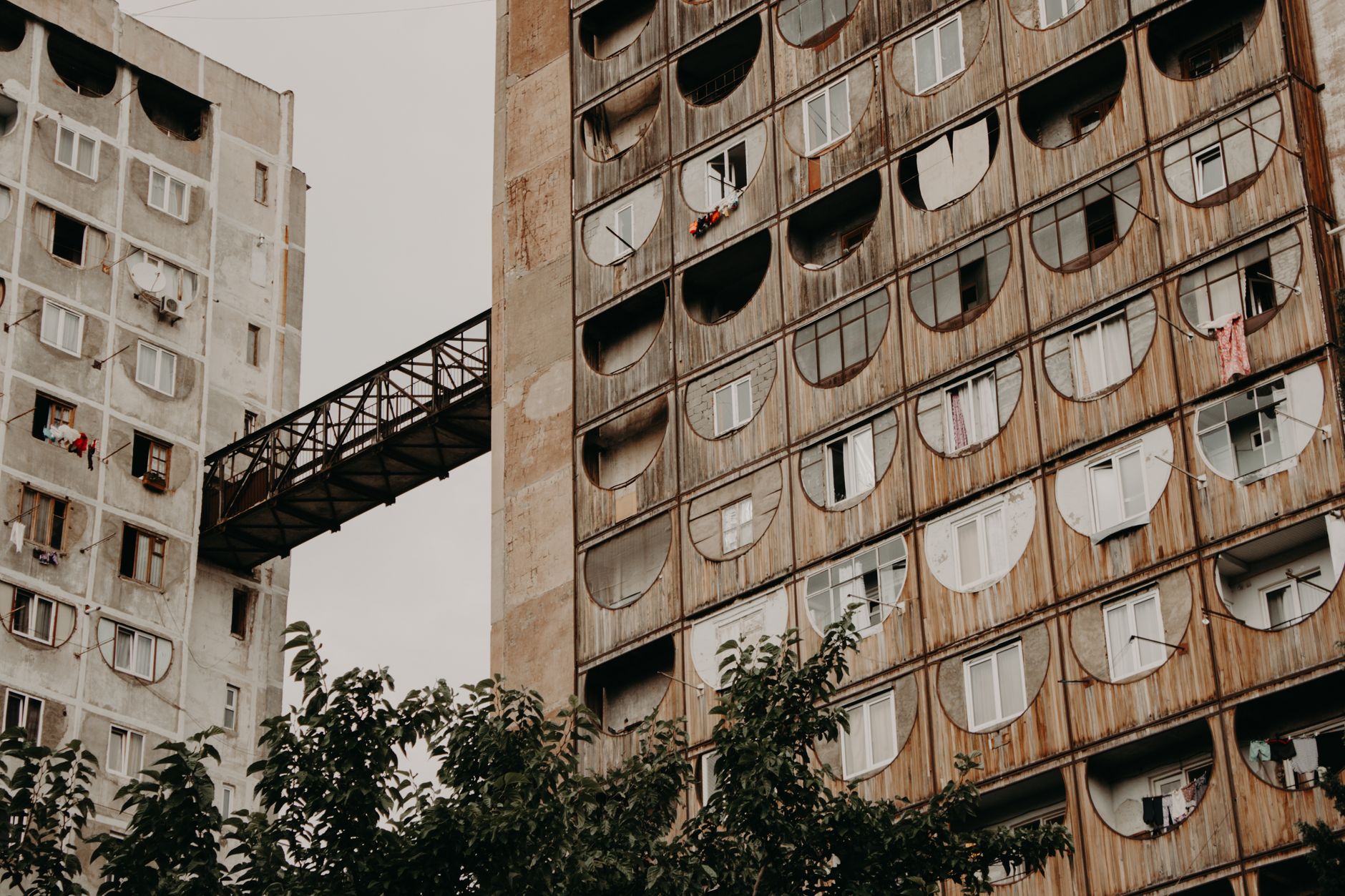
People often arrive expecting something bleak and post-Soviet. There is that layer, in the concrete apartment blocks and wide boulevards of the capital, but it sits alongside a genuine warmth. Moldovans tend to be direct, generous, and quick to share food and drink with a guest. Russian and Romanian are both widely spoken, and the language you hear shifts depending on where you are.
The other surprise is the wine. Moldova has one of the oldest and deepest wine cultures in Europe, and it is woven into everyday life rather than treated as a luxury. Almost every rural family makes their own.
Where to go
Chișinău, the capital, is where most trips begin. It is leafy, walkable in its centre, and low on obvious landmarks, but it has good markets, relaxed cafés and parks. Treat it as a base rather than a destination in itself.

The wine regions are the real draw. Cricova and Mileștii Mici are enormous underground cellars, essentially cities of tunnels lined with bottles, and they are unlike anything else you will visit. Purcari, further south, is a more classic estate for those who want tastings in the vineyards. These suit anyone with an interest in wine, but also anyone who simply wants a good day out in the countryside.
Orheiul Vechi is the landscape highlight: a monastery complex carved into a cliff above a looping river, set among quiet villages. It rewards travellers who like history and scenery without crowds.
Transnistria, the breakaway strip along the Dniester, is a separate matter. Tiraspol feels frozen in a Soviet aesthetic, deliberately so. It draws the curious, but it is a self-declared territory with its own controls, and you should read up carefully before going and keep your visit straightforward.
Gagauzia, in the south, is an autonomous region with a Turkic-speaking Christian population and its own traditions, worth it for travellers who like cultural corners most people skip.
When to go
Late summer and early autumn are the best window. This is harvest time, when the vineyards are busy, the markets overflow with fruit and vegetables, and the wine celebrations happen. The weather is warm and settled, and the countryside looks its best.

Summer proper can be genuinely hot and dusty. Winters are cold, grey and long, with little to soften them, and rural travel becomes harder. Spring is pleasant and green but quieter. If you can, aim for September or October.
What first-timers get wrong
People underestimate distances and overestimate infrastructure. Public transport between towns exists but is slow and informal, and having a car or a driver opens up the country enormously. Do not expect polished tourist services outside the capital and the main wineries.
Book winery visits in advance rather than turning up, as many are working estates. Carry cash, especially in villages. And do not try to see everything at speed; Moldova rewards a slower pace and time spent talking to people.
Food worth seeking out
Look for mămăligă, a cornmeal polenta served with sheep's cheese and sour cream, and plăcinte, flaky pastries filled with cheese, potato, cabbage or pumpkin. Sarmale, stuffed cabbage or vine leaves, appear everywhere, as does hearty zeamă, a sour chicken soup. Pair any of it with local wine, and accept it when it is offered.
Book the trip
Some of these are affiliate links. If you book through them we may earn a commission, at no extra cost to you. It does not affect which deals we post.
Airport transfer
A fixed-price car meeting you at arrivals, worth it when the deal lands at 2am and the buses have stopped.
Check Kiwitaxi →Staying connected
A travel eSIM avoids roaming charges and activates before you land.
Check Airalo →Delayed or cancelled?
EU rules can owe you up to €600 for a long delay or cancellation. AirHelp files the claim and takes a cut only if it wins.
Check AirHelp →Things to do there
Attraction tickets, day trips and airport express passes, usually cheaper booked ahead than at the gate.
Check Klook →If this fare is gone
Kiwi combines airlines that do not normally sell through tickets together, so it often finds routings the others miss.
Check Kiwi.com →