

 Michael / Pexels
Italy: what to see and when to go
· Captain Cheap
Italy rewards people who slow down and disappoints those who try to see it all. The country is longer than most visitors realise, and the north and south feel like different places entirely, with different food, dialects, and pace of life. Coming from the Balkans, some things will feel familiar — the long lunches, the coffee culture, the way people talk with their hands — but Italy runs on its own logic, and fighting that logic is the fastest way to have a frustrating trip.
What it's actually like
Italy is less of a museum than the postcards suggest. Yes, there is astonishing art and architecture, but most of the country is ordinary working towns, farmland, mountains and coast where people go about their lives. The famous sights are genuinely crowded in the warm months, and the gap between a packed Florence in July and a quiet Umbrian hill town an hour away is enormous.
Expect bureaucracy and a relaxed attitude to time. Shops in smaller places often close in the early afternoon and reopen later. Things run when they run. If you arrive expecting Northern European efficiency you will be annoyed; if you accept the rhythm, it becomes part of the pleasure.
Where to go, and who it suits
Rome is essential once, but it is loud, hot and tiring — best for people who want history layered on top of history and don't mind crowds. Florence and Tuscany suit those after Renaissance art and rolling countryside, though Florence itself is small and heavily visited. Venice is genuinely unlike anywhere else and worth the effort, especially if you walk away from the main routes into the quiet back canals.

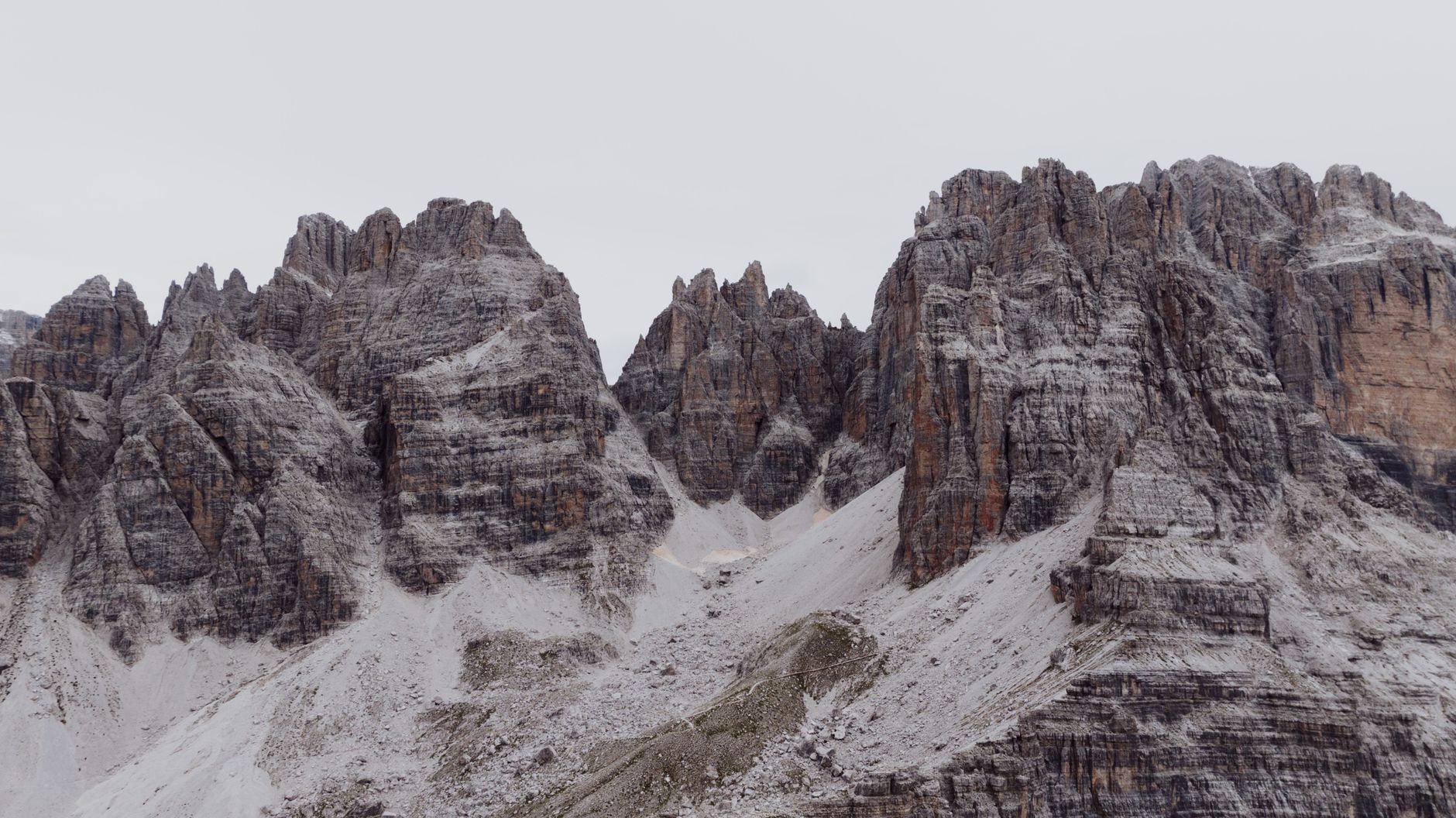
The north — Milan, the lakes, the Dolomites — appeals to hikers, design lovers and anyone who wants cooler air and mountains. The Dolomites in particular are spectacular and less associated with Italy in most people's minds. Bologna and the wider Emilia-Romagna region are for people who come mainly to eat, and it delivers.
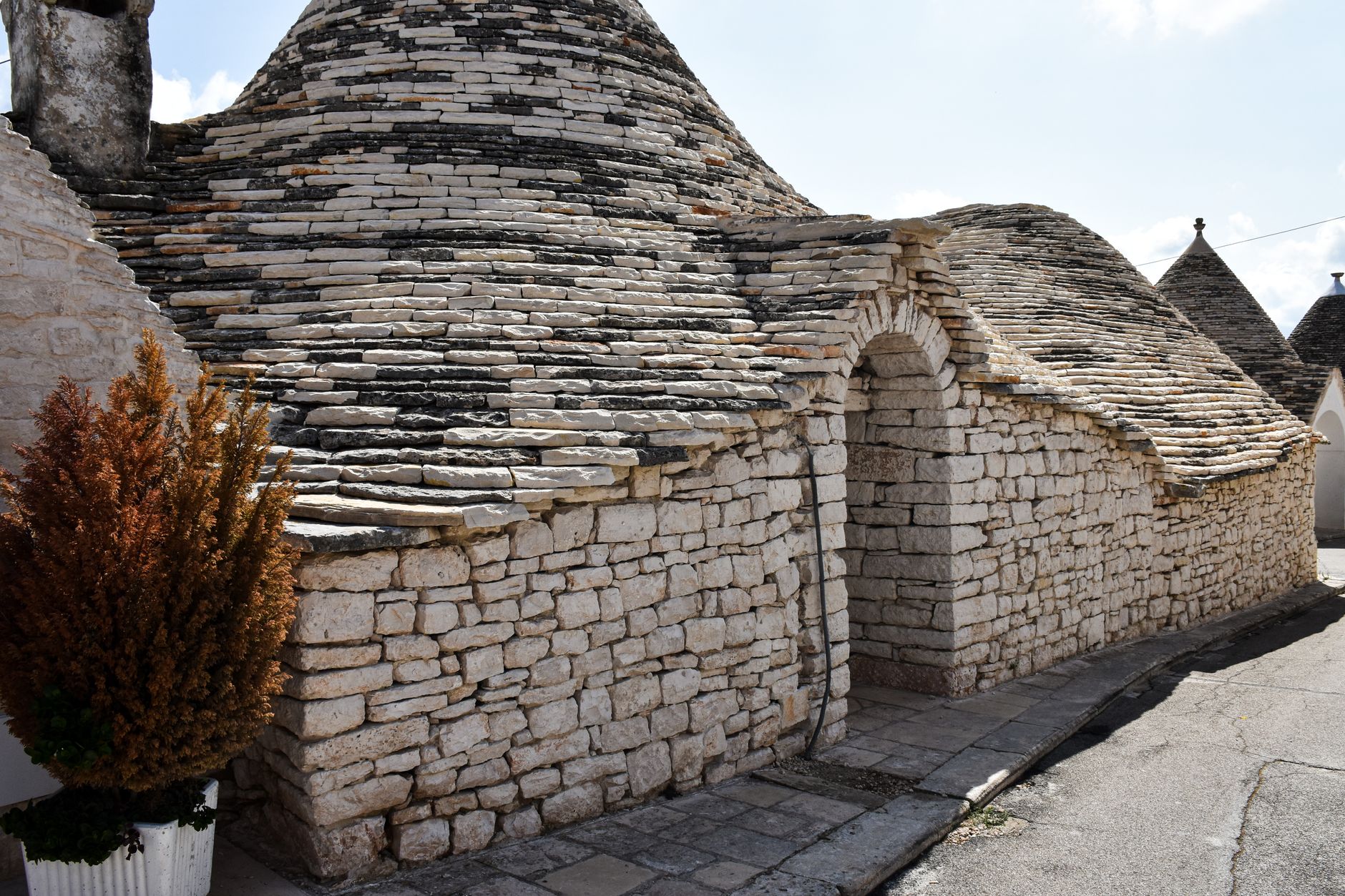
The south is where many travellers fall hardest for the country. Naples is chaotic and alive, the gateway to Pompeii and the Amalfi Coast. Puglia, in the heel, offers whitewashed towns, good beaches and lower prices than the famous regions. Sicily is almost a country of its own — Greek temples, volcanoes, and its own distinct food.
When to go
Late spring and early autumn are the most comfortable times. May, June, September and early October usually bring warm days without the fierce heat and crowds of high summer. July and August are hot, especially in the cities of the centre and south, and many Italians take their own holidays in August, meaning some family-run shops and restaurants close, particularly around the middle of the month.

Winter is quiet and atmospheric in the cities, cold in the north, and mild along the southern coast. The Alps and Dolomites have a full ski season. Spring can be wet but green and pleasant.
What first-timers get wrong
The biggest mistake is trying to cover Rome, Florence, Venice and the Amalfi Coast in a week. Distances and travel time eat the trip. Pick one region or two neighbouring ones and go deeper.
People also underestimate how casual dining rules matter to locals: a cappuccino after a meal marks you as a tourist, dinner is eaten later than you might expect, and a cover charge on the bill is normal, not a scam. Validate train tickets where machines require it, and carry some cash for small towns.
Food worth seeking out
Eat regionally. Order what the area is known for rather than a generic "Italian" menu. In Naples, pizza; in Bologna, fresh egg pasta and ragù; in Rome, cacio e pepe and carbonara; along the coasts, whatever seafood came in that day. In Sicily, look for arancini and the pastries. Gelato from a place that makes its own, an espresso standing at the bar, and a simple plate of the local cheese and cured meat will often outshine anything expensive.
Book the trip
Some of these are affiliate links. If you book through them we may earn a commission, at no extra cost to you. It does not affect which deals we post.
Airport transfer
A fixed-price car meeting you at arrivals, worth it when the deal lands at 2am and the buses have stopped.
Check Kiwitaxi →Staying connected
A travel eSIM avoids roaming charges and activates before you land.
Check Airalo →Delayed or cancelled?
EU rules can owe you up to €600 for a long delay or cancellation. AirHelp files the claim and takes a cut only if it wins.
Check AirHelp →Things to do there
Attraction tickets, day trips and airport express passes, usually cheaper booked ahead than at the gate.
Check Klook →If this fare is gone
Kiwi combines airlines that do not normally sell through tickets together, so it often finds routings the others miss.
Check Kiwi.com →

