


🇧🇬 🇷🇴 Bulgaria and Romania are in Schengen: what actually changed for travellers
Air and sea borders opened in March 2024, land borders in January 2025. Here is what that means in practice when you fly from Sofia, Varna, Burgas or Bucharest — and the things it does not change.
· Captain Cheap
Bulgaria and Romania are now full members of the Schengen area. Air and sea border checks were lifted on 31 March 2024, and the remaining land border checks went on 1 January 2025, following a decision by the Council of the EU in December 2024.
If you fly out of Sofia, Varna, Burgas or Bucharest, this changed your journey in a few concrete ways — and left a surprising number of things exactly as they were.
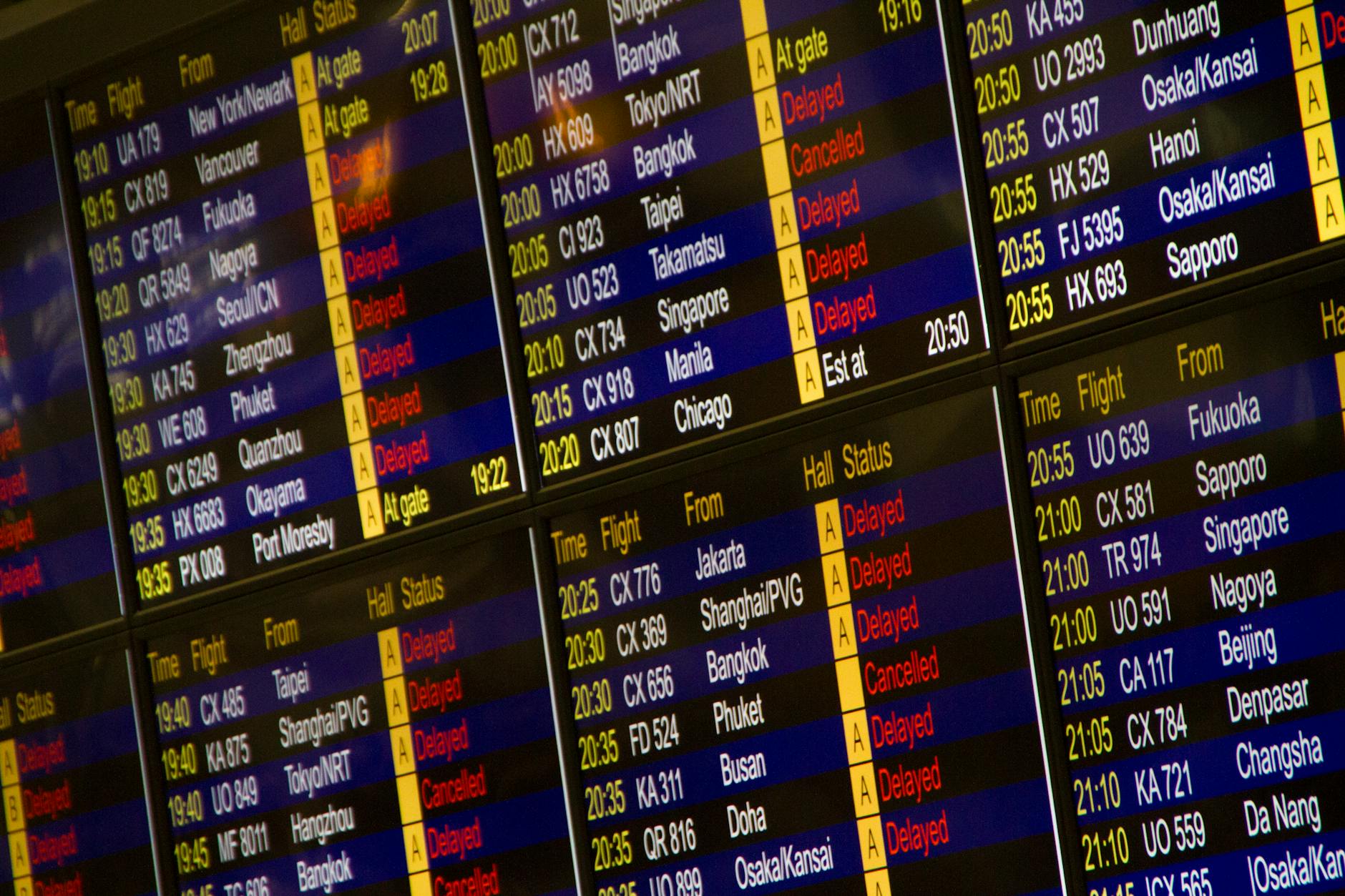
What changed at the airport
Flights between Bulgaria or Romania and another Schengen country are now internal flights. In practice that means no passport control when you land in Milan, Barcelona or Vienna, and none on the way back.
The saved time is real but modest — usually somewhere between ten minutes and half an hour, depending on the airport and time of day. The bigger gain is predictability. Border queues were the least forecastable part of the journey, and they are gone on those routes.
Connections got considerably easier
This is the change worth planning around. A connection through Vienna, Frankfurt or Amsterdam onward to another Schengen city no longer involves a border check in the middle.
That makes short layovers meaningfully less risky. A 55-minute connection in Vienna used to be a gamble from Sofia; now it is roughly as safe as any other internal European connection.
If you have been avoiding tight layovers on Schengen routes out of habit, it
is worth reconsidering. Those itineraries are often the cheap ones.
What did not change
This is where people get caught out.
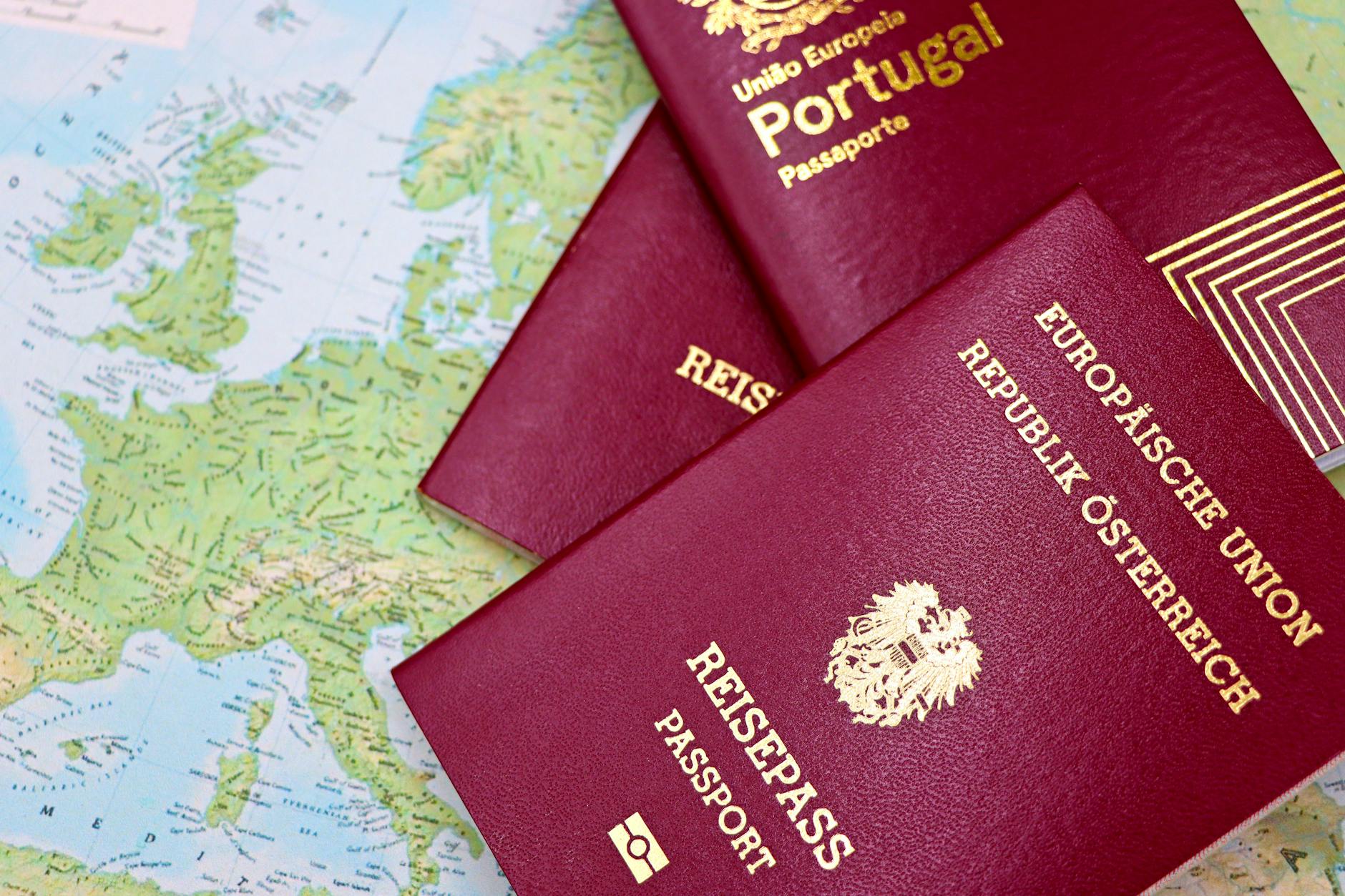
- You still need ID. Airlines require a passport or national ID card to
board, regardless of Schengen. Schengen removed the border check, not the identity check at the gate.
- Non-Schengen destinations are unaffected. Flights to the UK, Turkey,
Serbia, Egypt or anywhere outside the zone still involve full border control. Belgrade in particular is not in Schengen.
- Security screening is unchanged. Liquids, laptops and hand luggage rules
are the same as they ever were.
- Customs still exists. Schengen governs the movement of people, not goods.
Duty limits still apply.
Does it make flights cheaper?
Not directly. Schengen membership does not change what an airline pays to operate a route, so nobody dropped fares because of it.
The indirect effect is more interesting. Removing border infrastructure lowers the cost of adding a route, and low-cost carriers have been expanding at Bulgarian and Romanian airports. More competition on a route is what actually moves prices — and that is the thing worth watching over the next couple of years.
One practical note
If you hold a residence permit rather than a passport from an EU country, check the specific rules for your document before travelling. Schengen accession changed border procedures, not immigration status, and the two are easy to confuse.
---
Sources: [European Commission statement](https://ec.europa.eu/commission/presscorner/detail/en/statement_24_6401), [Council of the EU, 12 December 2024](https://www.consilium.europa.eu/en/press/press-releases/2024/12/12/schengen-council-decides-to-lift-land-border-controls-with-bulgaria-and-romania/). Photos by Oscar Chan and Marta Branco on Pexels.
Spotted a mistake? Let us know.